Hungary’s New Traffic Rules Arrive in 2026: What Drivers, Cyclists, and E-Scooter Riders Need to Know
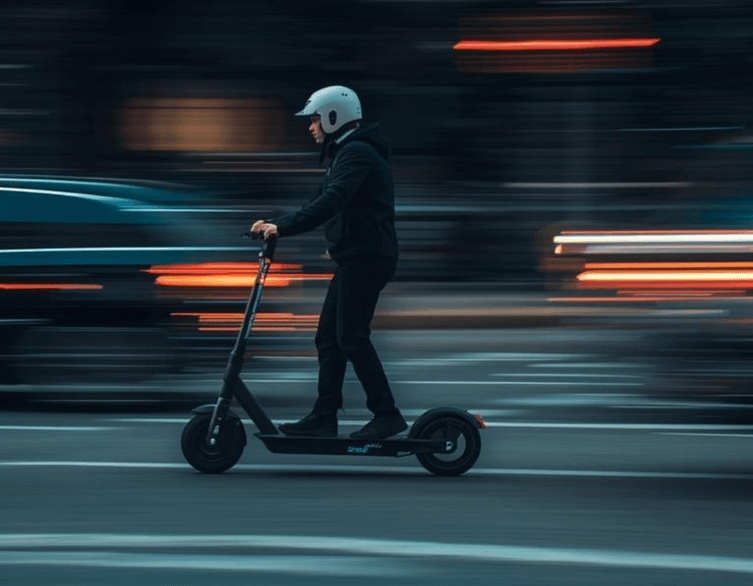
From September 2026, Hungary will roll out its most significant road safety reform in over fifty years — a brand-new Highway Code (KRESZ) that reflects how much everyday transport has changed since 1975. Whether you’re renting a car to explore the countryside, cycling through Budapest’s boulevards, or zipping across the Danube on an e-scooter, these changes will impact you.
Speed Limits Stay Familiar — But Rules Get Smarter
Let’s start with what stays the same: the top speeds. On motorways, the limit remains 130 km/h, and on high-speed roads, 110 km/h. Heavy vehicles, buses, and cars with trailers can still travel a maximum of 90 km/h outside city limits.
At the same time, new restrictions are being introduced to curb dangerous overtaking by trucks — particularly the long “horror convoys” that slow traffic on highways. From 2026, even vehicles over 3.5 tons will be banned from using the left lane or overtaking between 6 a.m. and 10 p.m.. This rule already makes Hungary’s motorways safer and smoother for passenger traffic.
Defining Rules for the Electric Future
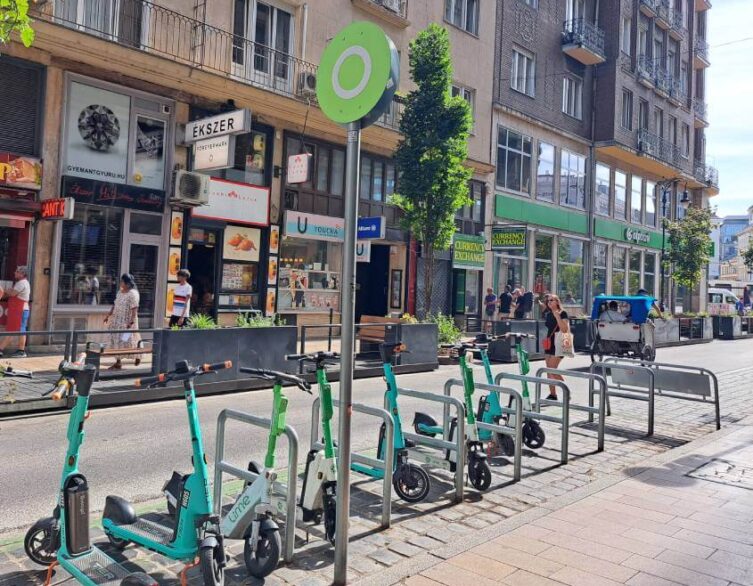
Electric scooters have become part of everyday city life in Budapest, and the new KRESZ finally sets clear limits. Small scooters — those under 25 km/h — must follow the same rules as bicycles and can only be used by those over 12 years old. On the pavement, they must not interfere with pedestrians, and on bike paths, their speed is capped at 20 km/h. For stronger e-scooters (over 1 kW), the rules match those for mopeds: riders must be at least 14, wear helmets, and have compulsory insurance. These models can reach up to 45 km/h, but they cannot carry passengers.
Cyclists Gain Clarity and Safer Roads
One of the biggest shifts concerns cyclists. The new regulations allow riders to slowly roll across pedestrian crossings — up to 10 km/h — though they must always yield to pedestrians. For young riders under 14, helmets become mandatory, along with reflective clothing outside urban areas or when visibility is poor.
Best deals of Budapest










In a landmark move, the KRESZ will also define clear alcohol limits for cycling — legal up to 0.8 g/l blood alcohol or 0.4 mg/l in breath, aligning Hungarian law with European standards.
The Ministry is also introducing the concept of a “mixed lane section” — the one-meter-wide space along the right side of the road where car drivers must expect cyclists. This effectively grants more protection to riders in both city and rural environments.
A New Era for Sport Cyclists
Perhaps the most symbolic change is the introduction of the “sport cyclist” legal category. Supported by the Hungarian Cycling Federation, this status recognizes licensed athletes who use public roads for professional training. These riders could access key road sections normally closed to amateur cyclists — with strict discipline, two-abreast riding, and zero-tolerance for alcohol. The new status could open up roughly 4,000 kilometers of road for safe, regulated training, helping develop Hungary’s next generation of Olympic cyclists.
Learning the Rules the Modern Way
Driving education also enters a new phase. The government is integrating first aid and traffic theory directly into high schools, accessible via the KRÉTA system’s new eJogsi platform. Students can take free online theoretical courses and exams, while practical lessons can now include up to six simulator hours. Plans even allow supervised practice with experienced family members after certain stages — bringing learning closer to real life.
Building Safer Roads for Everyone
All these updates share one common goal: safety and simplicity. The improved Highway Code modernizes regulations for a new generation of vehicles and travelers. Whether you’re touring Hungarian vineyards, road-tripping around Lake Balaton, or cycling through scenic country roads, 2026 will mark a fresh start for safer, smarter journeys across Hungary.
Related news
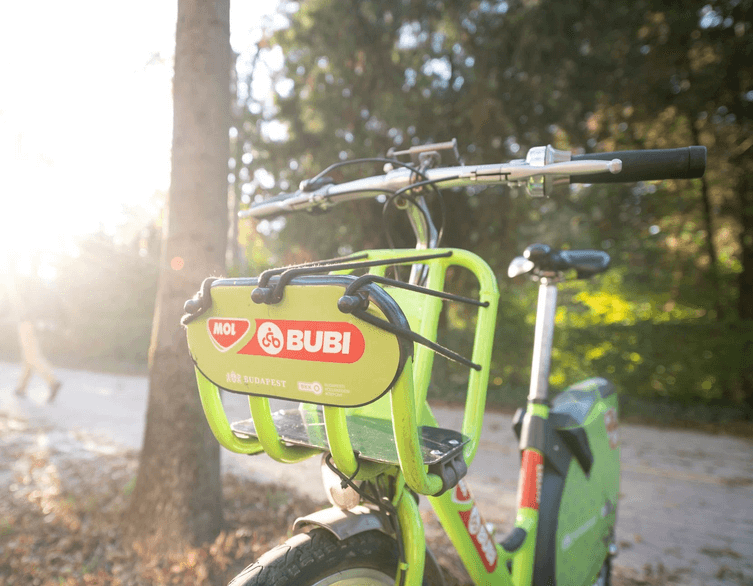
Good News for Cyclists: You Can Still Bubi in Budapest This Winter
The beloved green bikes aren’t going anywhere If you’ve been planning a winter trip to Budapest and were worried that the city’s famous green...

Safe Streets, Happy Schools: How Budapest is Redesigning Its Neighborhoods for Kids
If you stroll through certain Budapest neighborhoods on a weekday morning, you might notice something refreshing: colorful signs, children walking...
Staying Safe on Electric Scooters in Budapest: What Every Visitor Needs to Know
Electric scooters have become one of the most popular ways to explore Budapest, zipping along the Danube embankment, through the historic Castle...
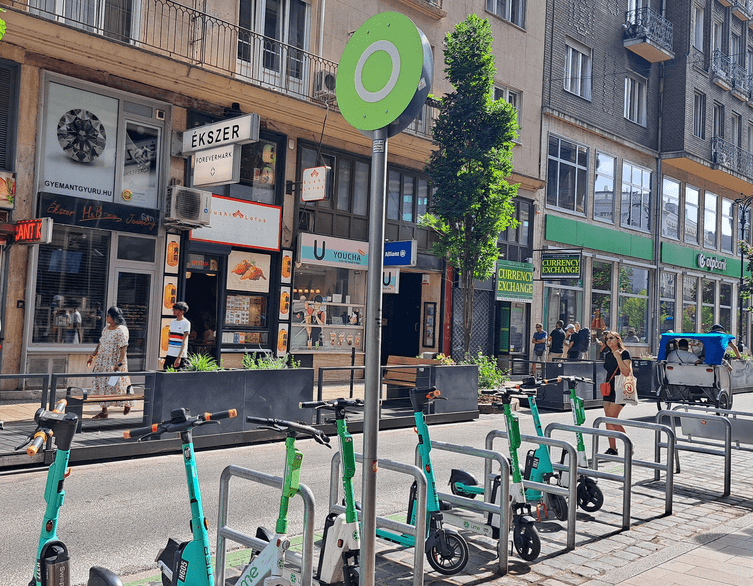
Rolling with the Rules: What Tourists Need to Know About E-Scooters in Budapest’s Erzsébetváros
Welcome to Budapest, the city where history meets hipster, and where your sightseeing can be as easy as hopping on an electric scooter-if you know...
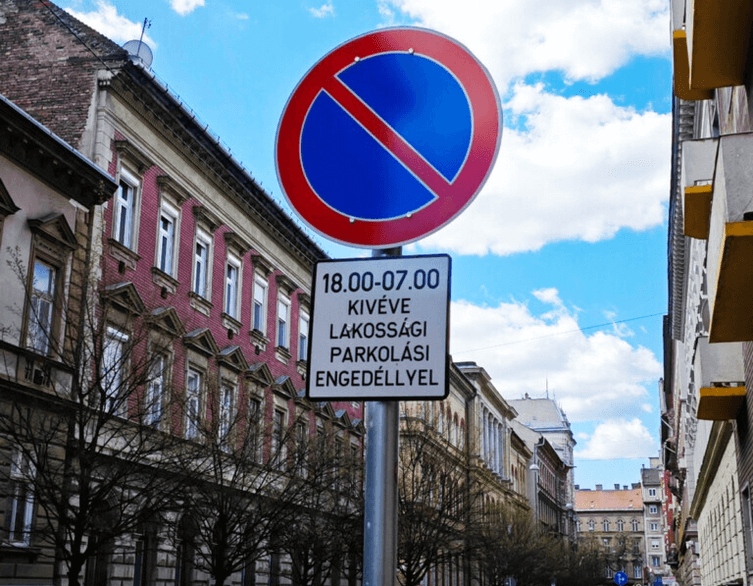
Budapest’s Inner-City Parking Fees Skyrocket, Thousands of Cars Disappear
Budapest’s inner districts are experiencing a dramatic shift in their parking landscape as local municipalities implement significant increases...
Penalties for Driving an Electric Scooter While Drunk in Budapest
Electric scooters have become increasingly popular in Hungary, with an estimated 100,000 scooters in use as of the summer of 2024. However, despite...