Culture Shock in Budapest: What Foreigners Really Think About Life in Hungary’s Capital
Budapest has quickly become one of Europe’s favorite cities for expats, students, and digital nomads. With its gorgeous skyline, affordable lifestyle, and buzzing nightlife, the Hungarian capital attracts people from every corner of the globe. But behind the postcard views of the Parliament and the Danube, newcomers often experience something else entirely — a touch of culture shock.
First Impressions: Budapest’s Reserved Charm
One of the first things foreigners notice after arriving in Budapest is how locals behave. Coming from cultures where friendliness means instant smiles and small talk, some expats are surprised by Hungarians’ initial reserve. The typical Budapest local might not greet strangers with a cheerful grin, and a question like “How are you?” is often treated seriously — not as a polite formality.
At first, this can feel cold to a newcomer. But most foreign residents quickly discover a comforting truth: once the ice is broken, Hungarians are some of the most genuine and thoughtful people you’ll ever meet. Locals value honesty and depth in their interactions, and it’s not uncommon for a casual chat to turn into a sincere, hours-long conversation over coffee or wine.
Some foreigners even find Hungarian “complaining” charming — a national form of bonding that opens the door to real connection. As one expat put it, Hungarians may not sugarcoat things, but their brutal honesty often turns out to be the beginning of true friendship.
Dining Habits and Everyday Surprises
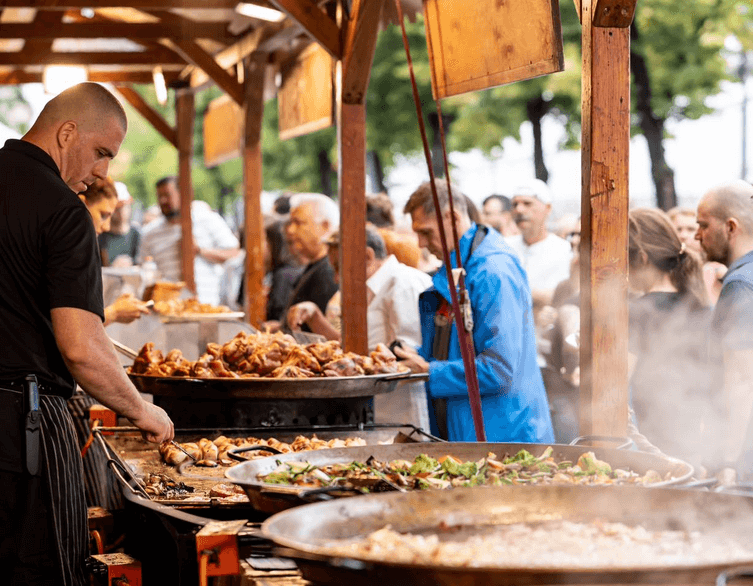
Beyond personalities, food culture in Hungary can be its own adventure. Visitors from southern Europe, especially Italians, often struggle to adjust to early lunchtime hours and the Hungarian love of fried dishes — even in summer. And then there’s pálinka, the famously strong fruit brandy that many try once and never forget.
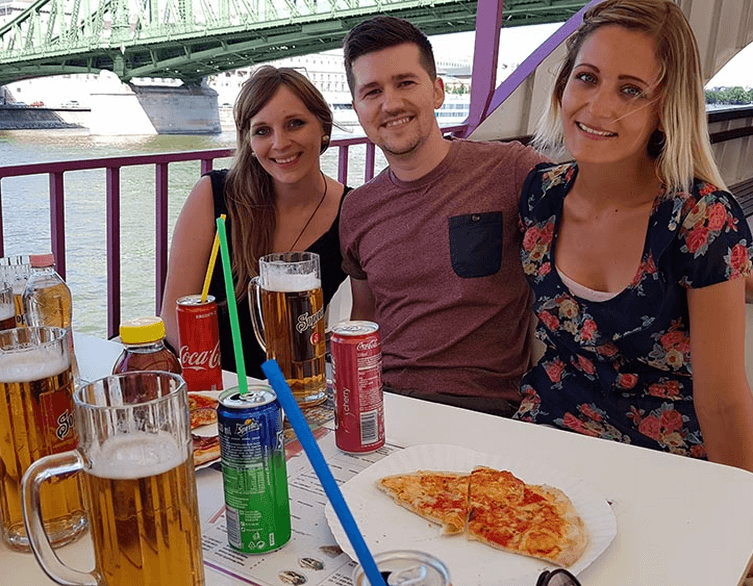
Foreign residents often notice that the dining pace is slower and the service more laid-back than in Western Europe or the U.S. Waiters might not smile constantly, but their mood tends to reflect genuine human emotion — something many find refreshingly real after a while. Drinks are rarely refilled automatically, portions are smaller but richer, and meals tend to be more about conversation than speed.
Of course, the lack of free water, minimal ice cubes, and paid public toilets can be small shocks to Americans used to the opposite. But most agree that the trade-off — delicious, wholesome food made from flavorful local ingredients — is more than worth it.
Best deals of Budapest




The Language Barrier — and How to Break It
Hungarian is famous for being one of the world’s most complex languages, and that reputation quickly proves true to anyone trying to learn it. Yet foreigners in Budapest consistently say that even a few basic Hungarian phrases can make a huge difference. A simple “köszönöm” (thank you) or “jó napot” (good day) earns instant smiles and more warmth. It’s a small effort that locals genuinely appreciate.
Interestingly, many expats note how much of Budapest’s social life revolves around Facebook — something they didn’t expect. From community events to apartment rentals and nightlife updates, Facebook groups remain Budapest’s unofficial city guide, tying together locals and foreigners in an ever-growing online network.
When Modern Europe Meets American Expectations
For tourists visiting from the U.S., everyday European norms can feel like mini culture shocks: stores close early on Sundays, 24-hour shopping is rare, and air-conditioning isn’t universal — especially in historical buildings and hotels protected by heritage laws. Double beds are often two singles pushed together, and electrical outlets tend to be scarce compared to American standards.
Even the sense of personal space can differ. Lines at shops or museums may feel more “compact,” and crowds closer together than what’s typical in North America. These small quirks, however, also reflect the charm of old-world Europe — tighter spaces, slower rhythms, and more time spent enjoying life rather than rushing through it.
Budapest Makes It All Worthwhile
Despite these surprises, almost every foreign resident ends up falling in love with Budapest. The city balances the energy of a world capital with the intimacy of a close-knit community. The views from Fisherman’s Bastion, the grandeur of the St. Stephen’s Basilica, and the nightly glow of the Danube bridges overshadow any initial confusion.
Many expats say that Budapest gives far more than it takes — teaching patience, depth, and appreciation for genuine connection. What begins as culture shock often transforms into a unique kind of cultural affection.
In the end, the Hungarian capital doesn’t just welcome foreigners — it slowly wins them over. And once you’ve adapted to its rhythm, it’s hard not to see why so many choose to stay.
Related news

Budapest with a Heart: Discover the City through Its Local Heroes
When you first arrive in Budapest, it’s easy to be swept away by the Danube, the thermal baths, and the ruin bars. Yet there’s another...

Discover Budapest’s Best Plant-Based Dining: Where Veggie Creativity Meets Hungarian Flavor
Budapest may be famous for its paprika-rich stews and hearty dishes, but the city’s food scene has evolved into something wonderfully diverse,...

Taste Budapest 2026: Where Tradition Meets Trend
Budapest in 2026 is a true foodie capital, where centuries of tradition meet bold, modern flavours and a dining scene that’s more vibrant than...

Budapest’s Culinary Gems: A Guide to Exceptional Dining Experiences
Budapest’s culinary scene thrives on a blend of tradition and innovation, offering a diverse array of dining experiences that cater to both locals...