Culture On The Metro: Experience The Day of Hungarian Culture Underground in Budapest
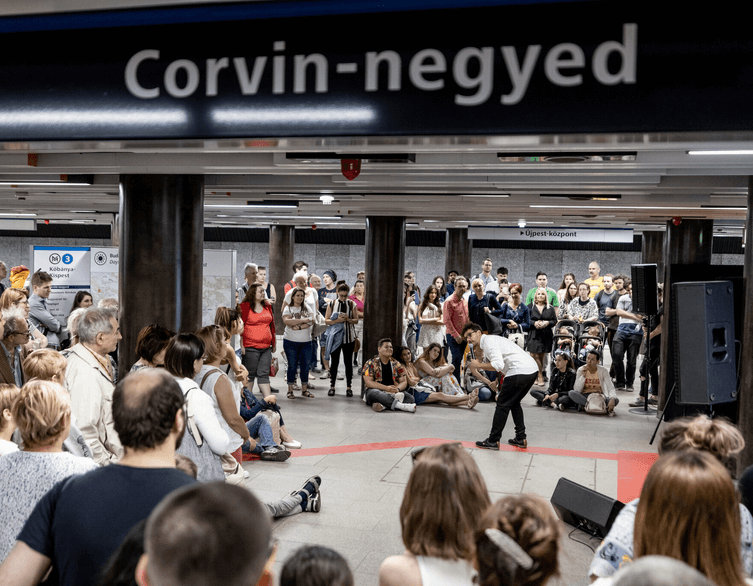
Budapest’s metro is turning into a stage today, and if you are visiting the city on 22 January, you can experience one of the most atmospheric “only in Budapest” moments right on the platform while waiting for your train. On the Day of Hungarian Culture, music, dance and history come together under the streets in Ferencváros, one of Budapest’s most exciting inner-city districts.
What Is the Day of Hungarian Culture?
Hungary celebrates the Day of Hungarian Culture every year on 22 January, marking the date in 1823 when poet Ferenc Kölcsey finalized the manuscript of the “Himnusz”, the poem that later became the text of the Hungarian national anthem. This day is all about appreciating literature, music, folk traditions and contemporary art, with special events, concerts, exhibitions and readings held across the country.
For visitors, it is a perfect chance to see how deeply culture is woven into everyday life, not just in museums and concert halls, but in public spaces like squares, community centres and, this time, metro stations as well.
Best deals of Budapest







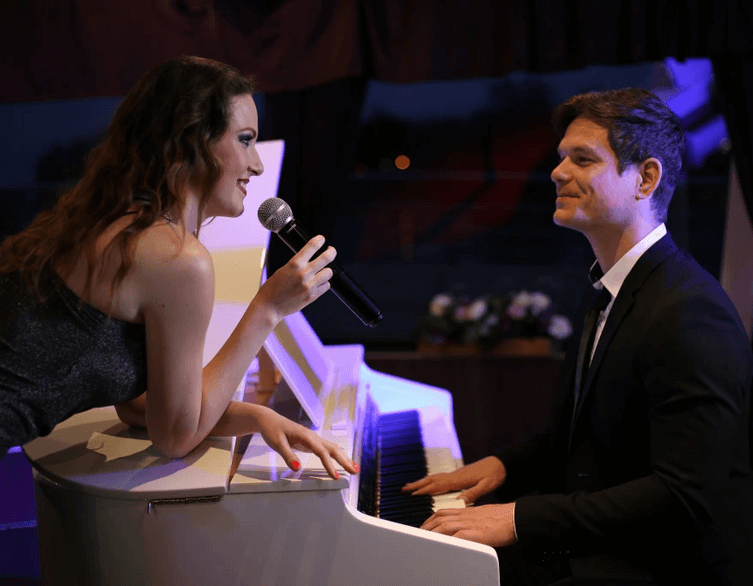
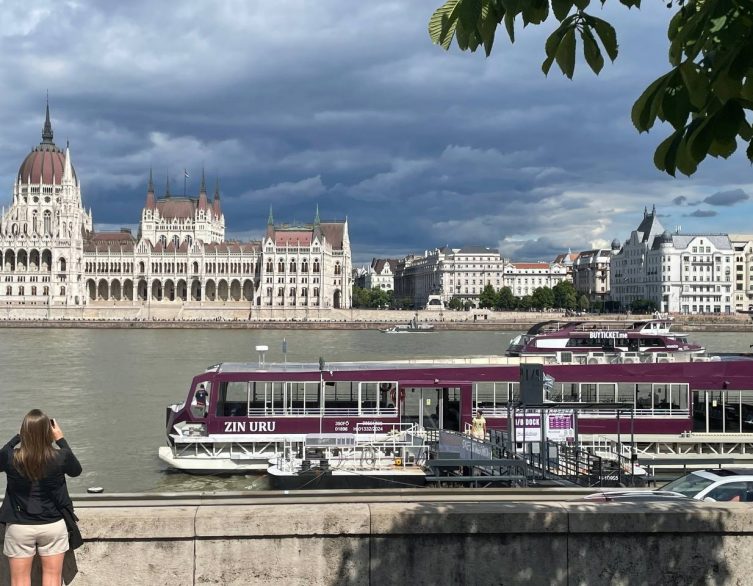
Culture On The Metro Platforms
On 22 January 2026, from late afternoon into the evening, several busy stations on metro lines M3 and M4 in the Ferencváros area transform into pop-up cultural spaces. The programme is a joint initiative of BKV (Budapest’s public transport company), BKK (the transport centre) and the Ferencváros Cultural Centre, created specifically for the Day of Hungarian Culture. Between 15:00 and 20:30, platforms at Nagyvárad tér, Corvin-negyed and Kálvin tér on line M3, plus Kálvin tér on line M4, will host continuous mini concerts, choir performances and dance shows right where passengers board their trains.
You do not need a special ticket for these performances: they are free to enjoy as long as you hold a valid public transport pass or single ticket, so your regular metro ride suddenly turns into a small festival. The idea is to show that public transport is more than just a way to get from A to B – it can connect people through shared cultural experiences, even if only for the few minutes between two trains.
What You Can See And Hear
The programme is deliberately eclectic, reflecting both traditional and modern sides of Hungarian culture as well as influences from around the region. Throughout the evening, each platform presents a changing line-up of performers, so every arrival offers something new to discover. Handpan player Afronauta brings an atmospheric, almost meditative sound to Nagyvárad tér and Kálvin tér, while the band Sildervald energises the platforms with its “blastfolk” style, blending folk roots with contemporary intensity.
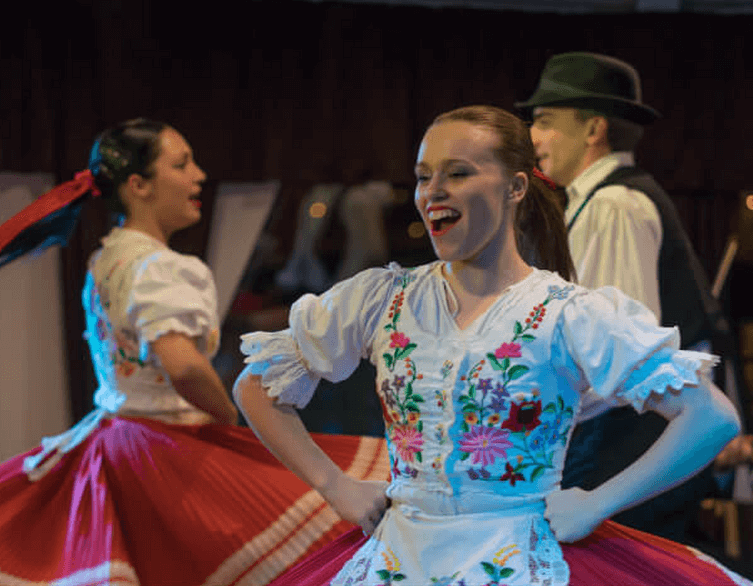
At different times you can catch Lowland Hill with bluegrass-inspired tunes, Budapest Folk Duo with authentic Hungarian folk music, and Orkestar Budimpešta, whose dynamic set highlights music of Hungarian and other nationalities living in Hungary. Traditionalists will appreciate the performances by the Bartók Dance Ensemble, bringing live Hungarian folk dance to the Corvin-negyed and Kálvin tér platforms, while the Vass Lajos Choir presents 20th‑century and contemporary choral works by Hungarian composers in a setting you would normally never associate with classical choir music.
Solo artists add another layer of variety: Bencze Alma’s looper performance turns one voice into a full soundscape, and accordionist Móser Ádám moves between French, Balkan, klezmer and tango moods during his sets. Devana 78 offers a colourful mix of Balkan and klezmer music, while the MOODS Ambient project and the Extra Figyelem Mozgásfolyam dance group create a more experimental, immersive atmosphere that feels almost cinematic on the platform.
When And Where To Go
If you want to plan your evening around the metro performances, it makes sense to focus on the Ferencváros stretch of M3 and the central transfer hub at Kálvin tér. The core programme runs between 16:00 and 20:30, with music and dance continuously rotating between the four participating stations: Nagyvárad tér (M3), Corvin-negyed (M3), Kálvin tér on line M3 and Kálvin tér on line M4.
This makes the event very easy to build into your sightseeing route. Kálvin tér is in the city centre, close to landmarks such as the Great Market Hall at Fővám tér and the pedestrian streets of the Inner City, while the Ferencváros area itself has become a lively district with cultural venues, riverside promenades and contemporary architecture. You can, for example, visit the Central Market Hall in the afternoon, walk along the Danube towards the modern “Bálna” (The Whale) building with its cafes and bars, and then ride back through Kálvin tér or Corvin-negyed just in time to step into the music on the platforms.
Making The Most Of Your Cultural Metro Night
The mood of the Day of Hungarian Culture is relaxed and welcoming, and the metro platform programmes are designed so you can join in spontaneously, even if you only have ten minutes between dinner reservations and your next tram. It is worth arriving a little earlier than your planned train so you can stay through at least one full mini‑set; the short concerts make it easy to sample several different genres in one evening.
If the performances spark your curiosity about Hungarian history and public transport, you can also look out for BKV’s other heritage initiatives on different days, such as special exhibitions about Budapest’s metro lines and historic vehicles at Deák Ferenc tér, where an underground museum tells the story of the continent’s oldest underground railway. Combining these with the live platform performances gives a richer picture of how deeply public transport is embedded in Budapest’s urban culture.
As you move between stations on 22 January, you can listen to BKK’s special celebratory Spotify tracks. On the Day of Hungarian Culture, this everyday background noise turns into part of the performance, and for a few hours, your metro ride becomes a very local, very memorable Budapest cultural experience.
Related events
Related attractions
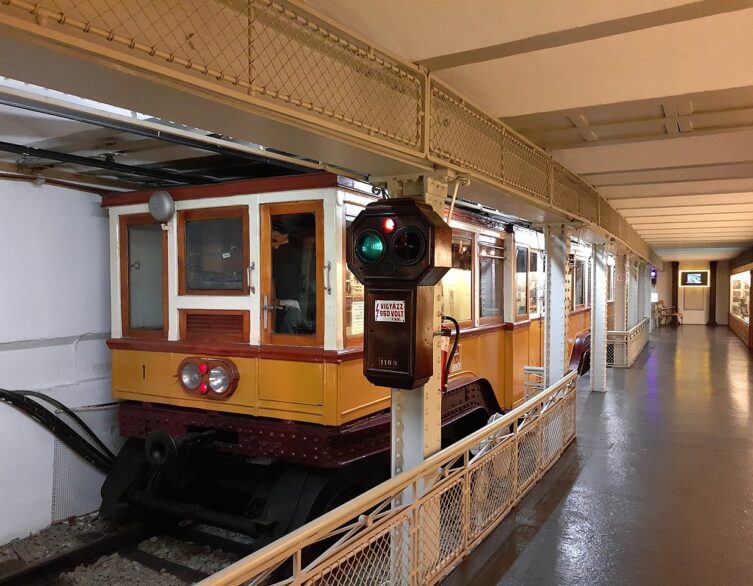
Millennium Underground Museum: Travel Through Time in Budapest
The Millennium Underground Museum in Budapest is a fascinating attraction that offers visitors a glimpse into the history of the city’s underground...
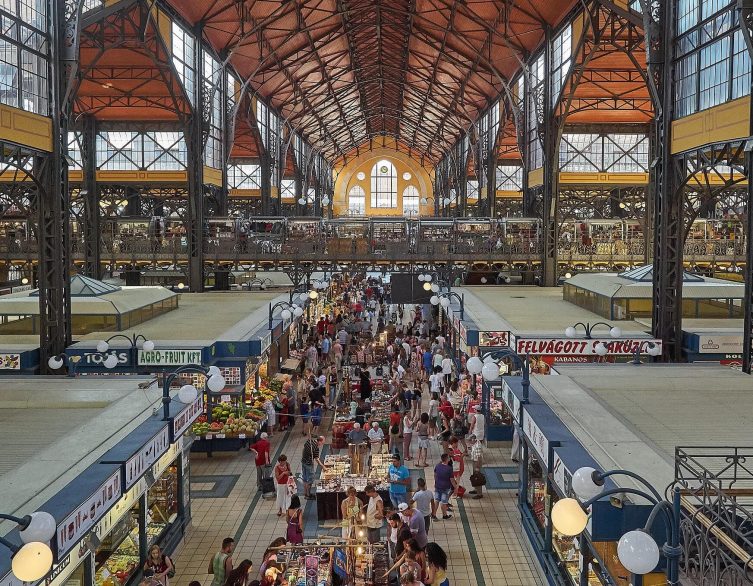
Central Market Hall Budapest: a culinary and cultural treasure
The Central Market Hall, also known as the Great Market Hall or Nagycsarnok, is a historic landmark and a must-visit destination for tourists in...