Budapest’s Petőfi Bridge Revival: Smoother Crossings Ahead for Tourists
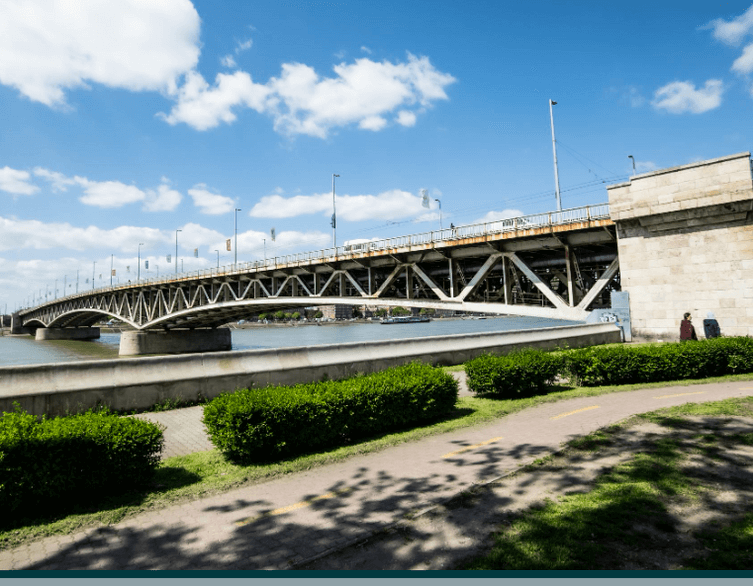
Imagine gliding across the Danube on the Petőfi Bridge, that trusty workhorse linking bustling Pest to serene Buda, without a worry about creaky decks or safety scares. After decades of wear, this iconic bridge is finally getting its long-overdue makeover, with planning now officially underway. For you as a visitor, it promises safer, more reliable journeys between top sights, turning potential headaches into effortless adventures.
The Bridge’s Rough Past and Urgent Need for Change
Opened back in the 1930s, the Petőfi Bridge has faithfully shuttled cars, trams, bikes and pedestrians for generations, but time has not been kind. Its last major spruce-up happened nearly 50 years ago in 1979-1980, followed by spot fixes in 1996 and minor tweaks in 2013-2014 that sadly could not stem the tide of rust and rot. Corrosion gnaws at the steel and concrete, water seeps through faulty seals into the roadbed, and railings along with sidewalks cry out for repair.
City engineers from BKK and Budapest Közút have flagged it as priority number one in their bridge renewal lineup, citing a typical 30-35 year refresh cycle that’s long overdue. Without action, traffic snarls or closures loom, spiking costs and disrupting the daily flow that keeps Budapest humming. Recent city council nods have unlocked funds for design tenders, kicking off the permitting phase after years of groundwork including studies from 2021-2023.
Planning the Makeover: What’s Next for Petőfi Bridge
The green light came swiftly this February 2026, as the Fővárosi Közgyűlés approved procurement for detailed blueprints and permits. Expect permitting docs by mid-2027, when leaders will weigh full reconstruction against phased upgrades based on budgets hovering around 40-45 billion HUF—roughly €100-120 million. Even if cash is tight, critical fixes like corrosion-proofing and waterproofing will proceed to halt further decay.
Construction could break ground as early as 2029 if funding aligns, potentially wrapping in stages to minimize downtime. This mirrors the triumphant Chain Bridge revival from 2021-2023, which reborn that historic gem in just 25 months for Budapest’s unification sesquicentennial. The goal? Ensure one major Danube bridge gets a full refresh every decade, safeguarding icons like Petőfi alongside upcoming contenders like the Árpád Bridge.
Best deals of Budapest











Why Petőfi Bridge Matters to Your Budapest Itinerary
As a foreign tourist, bridges are your Danube superhighways, and Petőfi stands out for its everyday magic. It dumps you right into the heart of Pest’s vibrant 9th district near the stunning Corvin Quarter, with its sleek malls, cinemas and cafes perfect for a post-sightseeing refuel. Cross to Buda and you’re steps from Újbuda’s creative hub, home to cozy ruin bars, street art and the hidden gem of Feneketlen Lake for a splashy detour.
Tram 4/6 rumbles over it nonstop, your golden ticket for circling the city from Buda Castle to City Park without a car. Cyclists adore its dedicated paths, linking to the booming bike network snaking riverside. While upgrades brew, current crossings feel the bridge’s age during peak hours, but savvy travelers hop on for unbeatable skyline panoramas—Parliament glowing at dusk, Gellért Hill looming invitingly.
Exploring Around Petőfi Bridge: Hidden Gems and Smooth Rides
Time your visit to weave the bridge into a flawless day. Start on Pest at the funky Irányi utca farmers’ market for fresh lángos and local cheeses, then tram across Petőfi Bridge as the sun climbs. In Buda, wander Művész Kert, a bohemian garden bar vibe amid murals, or hike up to the Liberty Statue for epic vistas rivaling anywhere in the city.
Public transport shines here: pair your tram hop with the soon-expanding Pay&GO tap-your-card system rolling out across metros and beyond by 2028, making fares a breeze for international visitors. Rent an e-bike from MOL Bubi stations flanking the bridge to pedal the green Danube path south toward Csepel Island’s wild beaches—pure bliss on a sunny afternoon.
A Safer, Greener Future on the Danube
This push fits Budapest’s broader glow-up, blending sustainability with smarts. Expect modern touches in the redesign like wider pedestrian lanes, solar-powered lights and resilient materials to battle floods—a nod to climate smarts amid Hungary’s variable weather. It keeps the city moving fluidly, slashing delays that once plagued bridge works elsewhere.
For you, it means future-proofed travels: no jarring bumps mid-crossing, fewer orange cones blocking your selfies, and confidence that this engineering marvel will outlast your grandkids’ visits. Until shovels hit the ground, savor the bridge’s gritty charm—it’s the vein pulsing life between Budapest’s twin souls. Cross it, love it, and watch it transform before your next trip back.
Related news
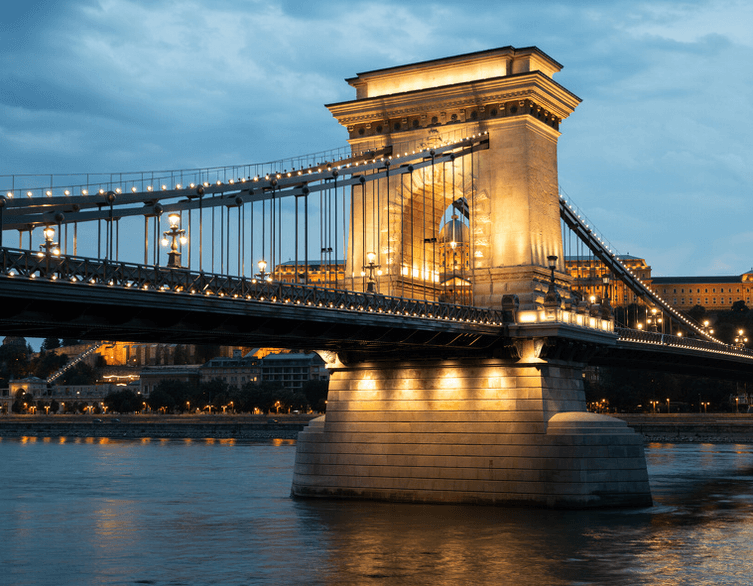
Bridges That Unite the World: The Chain Bridge Shines Among the Most Beautiful
When Time Out unveiled its latest ranking of the world’s most beautiful bridges, the results carried a delightful surprise for lovers...
Budapest’s Petőfi Bridge Set for Major Renovation: What Tourists Need to Know
If you are planning a trip to Budapest in the next few years, the Petőfi Bridge is a name worth remembering. It may not be as famous as the Chain...
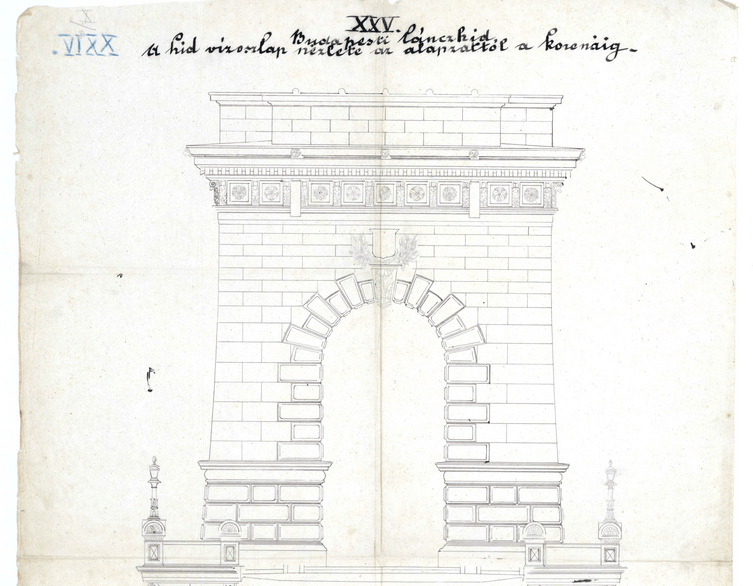
Adam Clark’s Lost Drawings: Budapest’s Chain Bridge Secrets Unveiled
Budapest’s world-famous Chain Bridge has long stood as a symbol of connection—between Buda and Pest, past and present. Yet, in autumn 2025, this...