Budapest’s Museum of Ethnography Wins Major International Digital Innovation Awards
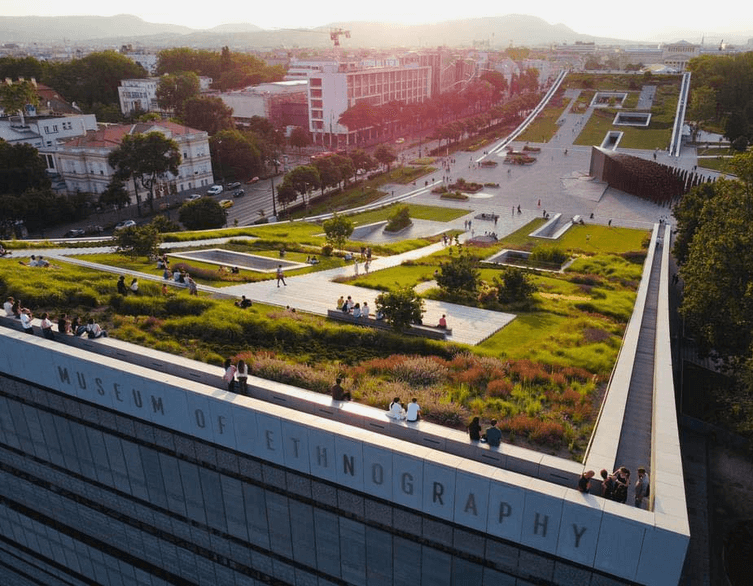
Budapest’s cultural scene just got another major boost on the international stage. The Museum of Ethnography has captured two prestigious awards at the AVICOM F@IMP festival in Dubai, one of the most important global competitions for museum multimedia and audiovisual innovation. Often referred to as the “Oscars of museum multimedia,” this recognition places the Hungarian institution among the world’s leading innovators in digital museum experiences, capping off what has been the most successful year in the museum’s history.
The awards ceremony took place on November 15, 2025, during the International Council of Museums (ICOM) 27th General Conference at Dubai’s Expo City Terra Pavilion. The jury evaluated projects from around the world based on the conference’s central theme: “The future of museums in rapidly changing communities.” The Museum of Ethnography’s two submissions stood out dramatically in this competitive field, earning the newly established ICOM Dubai Special Prize for its permanent collection exhibition’s multimedia network and the Education and Mediation Prize for its EthnoFusion mobile application.
Digital Innovation Meets Cultural Heritage
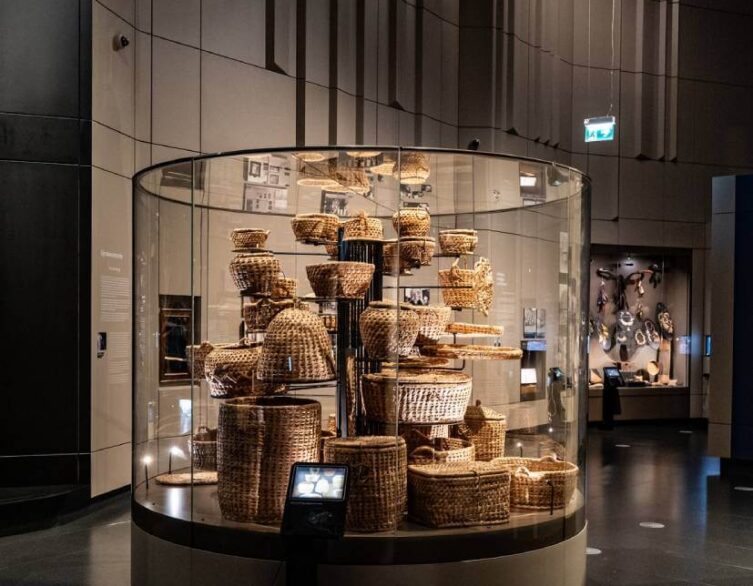
The ICOM Dubai Special Prize recognizes the museum’s groundbreaking approach to presenting its permanent collection, which opened in autumn 2024. Spread across 3,000 square meters, the exhibition showcases 3,600 original artifacts, 1,600 photographs, and 1,000 stories representing cultures from five continents alongside the rich diversity of Hungarian society. What sets this exhibition apart isn’t just its scope but how visitors experience it through an integrated multimedia network that makes ethnography accessible, engaging, and deeply personal.
Interactive maps, films, animations, and data visualizations guide visitors through complex cultural connections and historical narratives. The system allows people to explore at their own pace, diving deep into topics that interest them while skipping past others. The jury specifically highlighted how this approach transforms the museum into an open, inclusive, and dynamic knowledge space that remains relevant even as communities and visitor expectations rapidly evolve. Rather than passive observation, the exhibition invites active participation and discovery.
The technology serves the content rather than overwhelming it. Touch screens scattered throughout the galleries let visitors access additional stories, see artifacts in their original contexts, and understand connections between objects that might seem unrelated at first glance. The visual storytelling brings distant cultures and historical periods to life while maintaining scholarly rigor and authenticity. This balance between entertainment and education represents exactly what contemporary museum design strives to achieve.
Making Music Interactive
The Education and Mediation Prize went to EthnoFusion, an innovative mobile application that combines traditional folk instrument sounds with modern music production tools. Created as part of the museum’s temporary exhibition “Sound the Cymbals, Sound Them Loud,” the app gives users hands-on experience with Hungarian folk instruments including the cimbalom, fiddle, flute, bagpipe, and hurdy-gurdy, plus international instruments like the Japanese shakuhachi and koto.
Best deals of Budapest







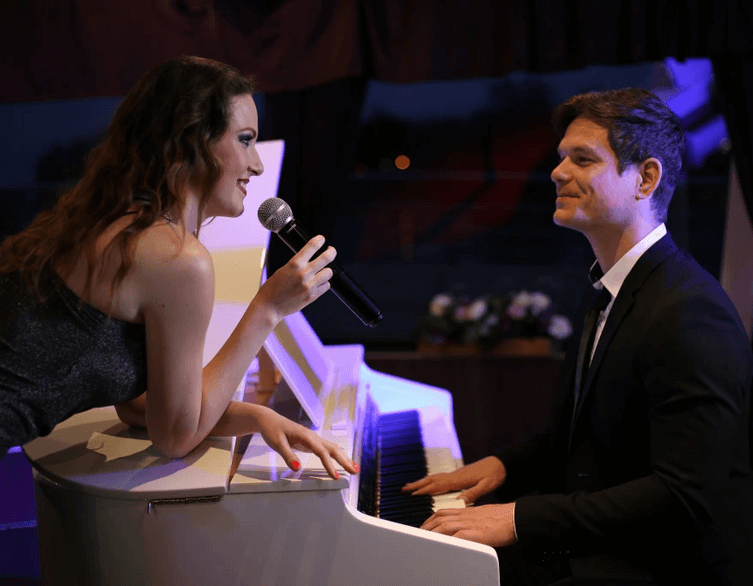
Users can layer these authentic instrument sounds over contemporary beats and apply modern effects, creating their own musical compositions that bridge centuries and continents. The interface makes music creation intuitive even for people without formal training. Once someone finishes their composition, they can download it or share it directly, turning the creative process into something social and collaborative.
The jury praised EthnoFusion for making intangible cultural heritage tangible and personal. Rather than simply learning about folk music traditions through text or recordings, users engage with them creatively, developing genuine understanding through play and experimentation. The application works entirely through web browsers without requiring downloads, making it accessible to anyone with an internet connection regardless of their location or device. This democratic approach to cultural education reflects the museum’s commitment to reaching audiences far beyond its physical walls.
A Record-Breaking Year
These Dubai awards represent the culmination of an extraordinary twelve months for the Museum of Ethnography. Director Lajos Kemecsi expressed immense pride in his team’s achievements, noting that 2025 brought an unprecedented string of international recognitions. The permanent collection exhibition alone has earned the iF Design Award in 2024, two Red Dot Awards in 2025 for both the overall exhibition design and its multimedia solutions, and finalist status for the prestigious Luigi Micheletti Award, one of Europe’s most important museum prizes.
The museum’s “Székelyek – Örökség mintázatok” (Szeklers – Heritage Patterns) exhibition received the Exhibition of the Year 2025 award in Hungary. Publications have also garnered acclaim, with the ZOOM catalogue winning Indigo Award gold, A’Design Award silver, and another Red Dot Award. The diversity of these honors demonstrates excellence across multiple dimensions of museum work, from physical exhibition design to digital innovation to scholarly publishing.
Beyond awards, visitor numbers tell their own story. The museum has experienced dramatically increased attendance since moving to its new building in City Park, with guests appreciating both the stunning architecture and the innovative content within. The combination of free-access areas, world-class temporary exhibitions, and now internationally recognized permanent displays has established the Museum of Ethnography as an essential stop for both Budapest residents and international visitors.
The Liget Budapest Connection
These successes extend beyond a single institution. The Museum of Ethnography occupies a spectacular new building within the Liget Budapest Project, currently Europe’s largest urban cultural development initiative. This massive undertaking has transformed Budapest’s City Park over the past decade, creating new cultural landmarks while expanding and improving green spaces throughout the historic park.
Benedek Gyorgyevics, CEO of Városliget Zrt., the company managing the Liget Budapest Project, emphasized that these latest awards validate the project’s core vision. The goal was never simply to construct impressive buildings but to create twenty-first-century cultural institutions housing world-class innovative content. The Museum of Ethnography’s building had already collected dozens of architectural awards for its design. Now the international community recognizes the quality of what happens inside those walls as well.
The Liget Budapest Project includes the Hungarian Music House, which has also won numerous international design and architecture prizes, the renovated Museum of Fine Arts, and the Millennium House. Together these institutions and the surrounding park improvements have welcomed more than 13 million visitors while significantly increasing the park’s green coverage. The project has placed Budapest firmly on the map as a destination for cultural tourism and contemporary architecture enthusiasts.
Free Experiences for Visitors
For travelers visiting Budapest, the Museum of Ethnography offers several experiences without admission charges. The Ceramics Hall presents more than 4,000 ceramic objects in a visually stunning display organized like the human brain’s two hemispheres. One section systematically categorizes ceramics by continent, pottery centers, and forms. The other takes a more intuitive approach, organizing objects through loose associations and sensory qualities. Every piece tells stories about its maker, user, function, style, decoration, and cultural context.
The building also houses the City Park Visitor Center, another free attraction. Here you’ll find an impressive 55-square-meter scale model of Budapest during its golden age at the turn of the twentieth century, featuring nearly 6,000 miniature buildings with interactive historical presentations. The center also displays a life-size replica of the Archangel Gabriel statue that crowns Heroes’ Square’s Millennium Monument at 36 meters height, giving visitors unprecedented close-up views of details normally invisible from ground level. Projections create time-travel experiences through Budapest’s fascinating history, and you can see the time capsule discovered during restoration of the monument’s column capitals.
These free offerings make the museum accessible to everyone regardless of budget, reflecting a philosophy that cultural heritage belongs to all people. The location in City Park means visitors can easily combine a museum visit with walks through the beautifully landscaped grounds, visits to other cultural institutions, or relaxation in one of Budapest’s most beloved green spaces.
Behind the Scenes: Digital Transformation
While less visible to casual visitors, the museum completed another historic achievement in 2025. The entire collection database migrated to MuseumPlus, an international collection management system. This massive digital undertaking involved transferring more than 580,000 records, approximately 97,000 dictionary entries, and over 700,000 multimedia files, representing the largest digital migration in Hungarian museum history.
Zsolt Odler, head of the museum’s registration and digitization department, described this work as strategic infrastructure rather than merely technical updates. The system makes the museum’s accumulated knowledge from 153 years accessible to researchers, museum professionals, and the general public simultaneously. More than 120,000 collection records are now freely available online without registration requirements, allowing anyone anywhere in the world to explore Hungarian and international ethnographic treasures.
This digital accessibility reflects changing visitor expectations and research practices. Today’s museums must function as knowledge centers and digital service providers, not just physical exhibition spaces. The complete Hungarian-language and specialized terminology adaptation of MuseumPlus creates a platform available to all Hungarian cultural institutions, facilitating collaboration, data sharing, and more transparent research environments across the sector.
What This Means for Budapest
The Museum of Ethnography’s success story adds another dimension to Budapest’s growing reputation as a cultural destination. Visitors often come for the city’s thermal baths, stunning architecture along the Danube, and vibrant nightlife. Increasingly, however, world-class museums with genuinely innovative approaches to cultural presentation draw culture-focused travelers who might otherwise choose Western European capitals.
The museum’s location in City Park positions it perfectly within Budapest’s tourism infrastructure. The park is easily accessible via metro line one, Europe’s oldest underground railway, which is itself a UNESCO World Heritage site. The surrounding neighborhood includes restaurants, cafes, and other attractions like Vajdahunyad Castle and the City Park Ice Rink, making it natural to spend an entire day exploring the area.
For international visitors, experiencing how a contemporary museum presents ethnographic material offers insights impossible to gain from generic tourist attractions. The Museum of Ethnography doesn’t just display beautiful objects behind glass. It contextualizes them within living cultures, examines difficult historical topics honestly, and uses technology to make distant places and times feel immediate and relevant. This approach creates understanding that transcends language barriers and cultural differences.
The museum’s commitment to digital innovation also means the experience extends beyond physical visits. The EthnoFusion app, online collection database, and other digital resources let people engage with Hungarian cultural heritage from anywhere. For travelers planning Budapest trips, exploring these resources beforehand enriches the eventual museum visit. For those who’ve already visited, these tools maintain connection with the experience long after returning home.
Budapest continues establishing itself as a city that honors its remarkable past while embracing contemporary innovation. The Museum of Ethnography embodies this balance perfectly, using cutting-edge technology to preserve and share centuries of cultural heritage. The international recognition flowing to this institution and the broader Liget Budapest Project confirms that the world has noticed Budapest’s transformation into a genuinely world-class cultural destination.
Related news
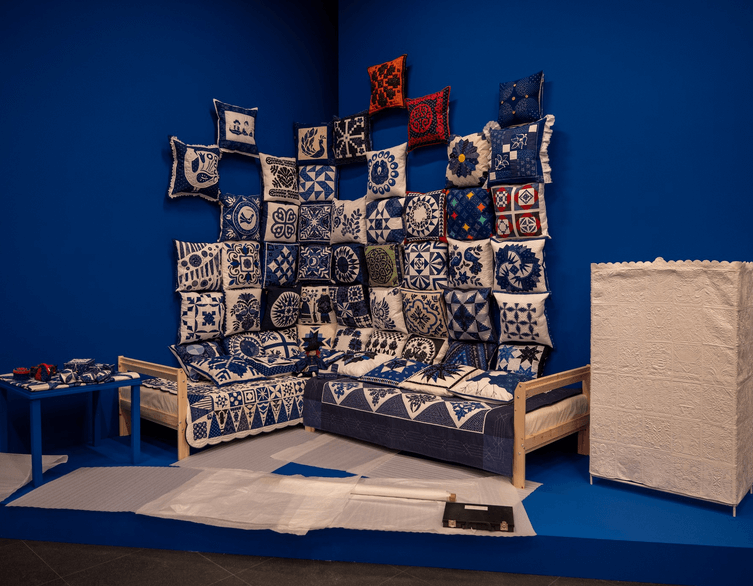
The Art and Storytelling of “Blueprint Patchwork” at the Museum of Ethnography
If you’re exploring Budapest and want to step off the usual tourist trail into something quietly magical, head to the Museum of Ethnography...
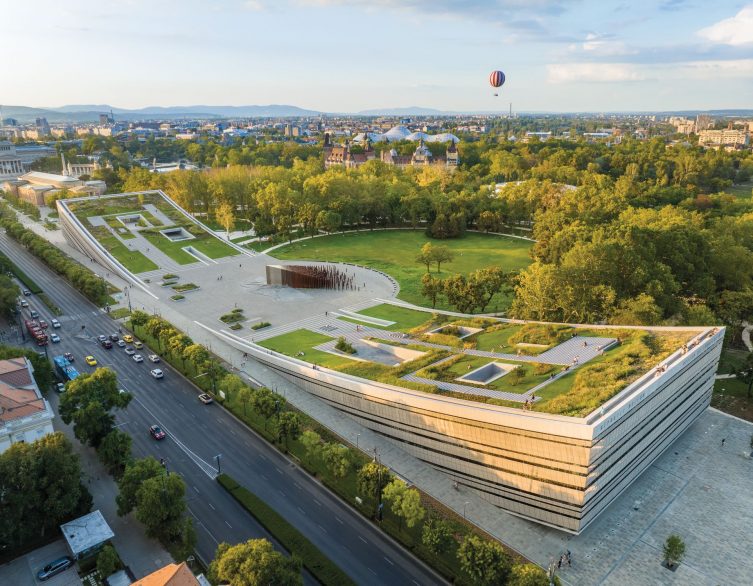
Budapest’s Museum of Ethnography Wins New International and National Honors
Budapest’s cultural scene has once again received the spotlight as the Museum of Ethnography (Néprajzi Múzeum) collected prestigious awards...
The Museum of Ethnography of Budapest Wins Prestigious IF Design Award
Budapest, a city celebrated for its rich history and architectural splendor, has added yet another jewel to its crown. The Museum of Ethnography,...
Discover a World of Wonders at the Museum of Ethnography’s Renewed Permanent Exhibition
Exciting news for culture enthusiasts and curious minds alike! The Museum of Ethnography in Budapest has finally unveiled its highly anticipated...
Related events