Budapest Just Broke a Running Record — And the World Was Watching
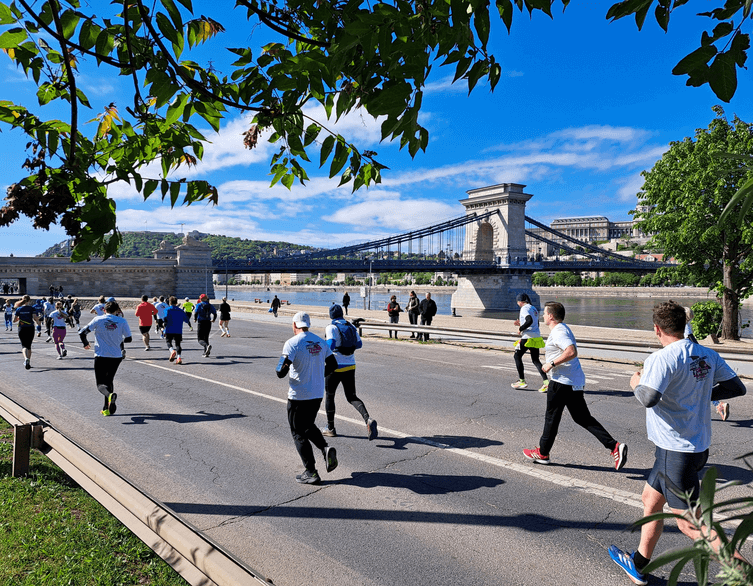
Budapest has long been known as one of Europe’s most beautiful cities, but this past weekend it added a new title to its résumé: one of the world’s most exciting destinations for running tourism. The 41st Telekom Vivicittá Spring Half Marathon, held on March 21–22, 2026, wrapped up with a historic milestone — more than 38,000 registered participants, an all-time record for Hungary’s largest spring sporting event.
A Festival 40 Years in the Making
The Vivicittá story began in 1986, making this year’s edition a symbolic 40th anniversary of the race. What started as a modest city run has grown into a two-day sporting festival spread across 11 distances and 13 start waves, attracting runners of every age, pace, and ambition. The half marathon distance — the crown jewel of the event at 21.1 km — sold out days before race day, with 11,750 registered runners filling the field to capacity. That number alone tells you everything about how eagerly people plan their spring around this race.
Runners Came from 111 Countries
If there was one figure that made this year’s edition truly remarkable, it was this: runners arrived from 111 countries to compete in Budapest. That’s not a statistic you expect from a city-based spring race — it’s the kind of global reach you’d associate with the world’s elite marathons. More than 4,000 international participants lined up at the start, and since most runners travel with family or friends, the organizers at Budapest Sports Office (BSI) estimate that at least 8,000 foreign tourists visited Budapest specifically because of the Vivicittá weekend.
Best deals of Budapest




The most enthusiastic sending nations were Germany and Slovakia, both contributing over 400 runners each, followed closely by France (380+), Great Britain (260+), and Spain (200+). Italy, the Czech Republic, and Poland each sent delegations of more than 150 athletes. And age was clearly no barrier — the oldest foreign participant in the half marathon was a 79-year-old British runner, a testament to the event’s inclusive, festival-like spirit.
From 58 to 2,820: A Growth Story Like No Other
The scale of international interest becomes even more striking when you look at the longer arc. Back in 2011, just 58 foreign runners entered the half marathon. By 2024, that number had climbed to 1,304. This year, 2,820 international runners completed the 21.1 km course — a nearly fiftyfold increase in just 15 years. Foreigners now make up 24% of the entire half marathon field, a share that would impress any race director on the planet.
The shorter distances told a similar story. International runners represented 14% of the 10 km field and 10% of the 7 km distance, proving that Budapest’s appeal extends well beyond the hardcore marathon crowd. Whether you’re a seasoned racer chasing a personal best or a first-timer looking for a fun sporting holiday, Vivicittá has a distance for you.
Sightseeing in Running Shoes
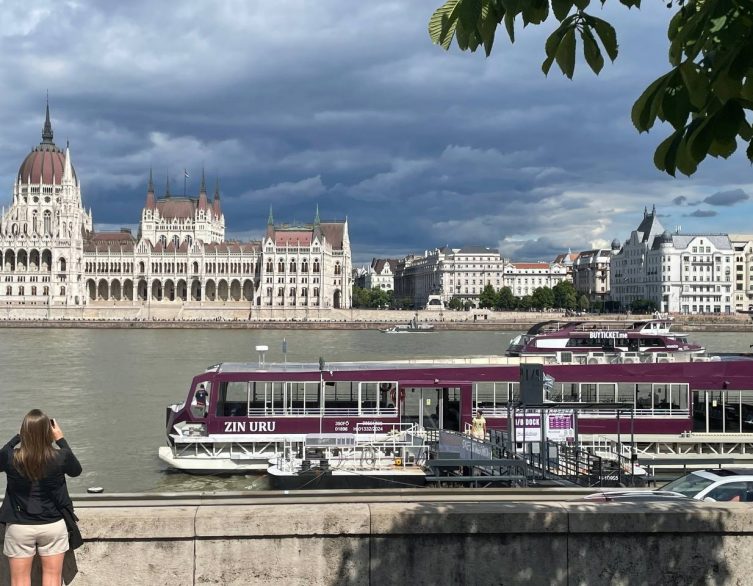
Part of what makes Vivicittá so irresistible to tourists is the route itself. Starting and finishing on Margaret Island — Budapest’s beloved green oasis in the middle of the Danube — runners cross the city’s iconic bridges, run along the riverbanks, and are treated to sweeping views of Buda Castle, the Hungarian Parliament Building, and the Chain Bridge at every turn. It’s a UNESCO World Heritage panorama, experienced at a jog.
Twenty live music stations were positioned along the course, turning the race into something closer to a street festival than a competition. The atmosphere, according to participant surveys, speaks for itself: international runners gave the event a satisfaction rating of 9.5 out of 10, with many specifically highlighting the extraordinary beauty of the Budapest route as the highlight of their experience.
Not Just for Runners
The Vivicittá organizers made sure that the weekend had something to offer even for those who prefer their sightseeing at a slightly more leisurely pace. The Telekom Vivicittá City Walks offered 8 km and 15 km walking routes through the streets of Pest, Buda, and Óbuda, attracting more than 1,400 participants who explored the city on foot without a single stopwatch in sight. It’s a smart addition that turns the event into a genuine family and group travel experience, not just a race weekend.
Budapest on the Move
The event didn’t just draw visitors from abroad — it mobilised the entire country. Participants registered from 1,315 different Hungarian towns and villages, an all-time record for any BSI-organised event. Roughly 40% of Hungarian starters traveled from outside Budapest, primarily from the counties of Pest, Fejér, Győr-Moson-Sopron, Bács-Kiskun, and Komárom-Esztergom.
Beyond the running, the social dimension of the event was equally impressive. Women made up 54% of the field this year — another historic high — while 10,000 schoolchildren took part, giving the race a genuinely community-rooted character that sets it apart from many of its European counterparts.
Why Budapest Should Be on Every Runner’s Bucket List
The 41st Telekom Vivicittá made one thing crystal clear: Budapest is no longer just an emerging running destination — it has cemented itself as one of the most dynamic and fastest-growing hubs for running tourism in the world. The combination of a world-class race route, a vibrant festival atmosphere, an incredibly welcoming city, and the unmatched backdrop of the Danube and its landmarks creates an experience that is very hard to replicate anywhere else in Europe.
Whether you’re planning to race the half marathon, walk a scenic city tour, or simply cheer on tens of thousands of runners from the banks of the Danube, the Vivicittá weekend offers a compelling reason to put Budapest on your spring travel calendar. The next edition will be here before you know it — and if this year is any indication, registration will fill up fast.