Budapest in Bloom: Your Complete Guide to Cherry Blossom Season in the Hungarian Capital
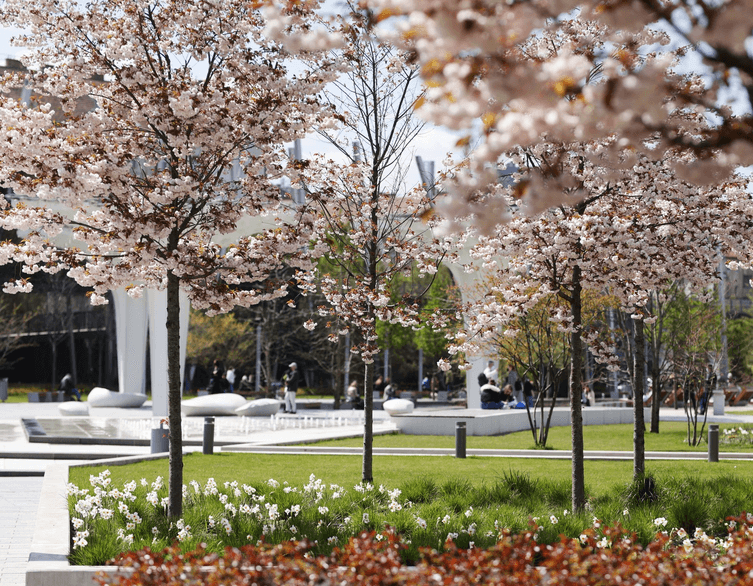
Spring arrives in Budapest like a quiet revolution. One morning you’re zipping up your jacket against a sharp March chill, and the next, the parks and promenades have exploded into clouds of pink and white petals. If you happen to be visiting Hungary’s capital between late March and mid-April, you are in for one of the most unexpectedly magical experiences Europe has to offer — cherry blossom season. And no, you don’t need to book a flight to Tokyo for it.
What Is Sakura and Why Does the World Love It?
Before we dive into Budapest’s best bloom spots, it’s worth understanding what makes cherry blossoms so special in the first place. In Japan, the cherry blossom — known as sakura — is far more than just a pretty flower. It is a national symbol, a cultural event, and almost a philosophy of life. The Japanese have celebrated the blooming season for centuries through a tradition called Hanami, which literally means “flower viewing.” Families, friends, and colleagues spread picnic blankets under the flowering trees, share food and drink, and simply enjoy the fleeting beauty of the moment.
And fleeting is the key word here. The blossoms last only one to two weeks, sometimes less if a spring rainstorm rolls in. This impermanence is precisely what gives sakura its emotional power — it is a reminder to appreciate the present, because beauty doesn’t last forever. It’s also worth noting that the ornamental cherry trees (Prunus serrulata) you’ll see around Budapest produce no fruit whatsoever. Every bit of their energy goes into producing those spectacular, multi-petalled flowers that make photographers weep with joy.
This Hanami spirit has gently seeped into Budapest’s culture too, particularly at spots like the ELTE Botanical Garden, where a dedicated Sakura Festival brings a slice of Japan to the heart of the 8th district.
Tóth Árpád Promenade: Budapest’s Most Iconic Blossom Spot
If you only have time for one cherry blossom location in Budapest, make it the Tóth Árpád Promenade in the Buda Castle District. Stretching along the western wall of Castle Hill, this pedestrian walkway is lined on both sides with hundreds of Japanese ornamental cherry trees that were planted between 2006 and 2009. When they reach full bloom — typically between late March and early April — the effect is nothing short of breathtaking: a long, arching tunnel of pink blossoms with sweeping views of the Buda Hills on one side and the rooftops of the city below on the other.
Best deals of Budapest









The promenade sits just a short walk from the Fisherman’s Bastion and Matthias Church, so you can easily combine your blossom stroll with some of Budapest’s most celebrated historic sights. The walkway benefits from long hours of sunshine thanks to its elevated, open position, which also means the trees tend to bloom beautifully and reliably each year. For the most peaceful experience, aim to visit on a weekday morning — the golden early light filters softly through the petals, and you’ll have far more room to breathe than on a busy weekend afternoon.
ELTE Botanical Garden: Where Cherry Blossoms Meet Japanese Culture
Tucked away in the 8th district, the ELTE Botanical Garden — known locally as the Füvészkert — is one of Budapest’s true hidden treasures, and in spring it becomes downright enchanting. The garden is home to five different varieties of ornamental cherry trees, giving visitors a wonderfully diverse palette of blossoms ranging from delicate pale pink to rich, deep rose. Each variety reaches its peak at slightly different times, which means the season here can feel more extended than at other locations.
What really sets the Füvészkert apart, though, is its annual Sakura Festival, held each mid-April to celebrate the blooming season with a genuine Japanese spirit. During the festival, visitors are invited to lay out blankets on the grass beneath the flowering trees — a direct nod to the Japanese Hanami tradition — and the garden fills with Japanese-themed cultural programmes, performances, and activities. Even outside the festival weekend, the garden rewards a leisurely visit: alongside the cherries, you’ll find baby roses, Japanese quince varieties, different species of pear trees, and the garden’s oldest resident, a Prunus mahaleb (St. Lucie cherry) estimated to be between 200 and 250 years old.
Millenáris Park: A Month-Long Celebration of Spring
For those who prefer their cherry blossom experience in a more open, modern setting, Millenáris Park in the 2nd district is an excellent choice. The park’s cherry grove, visible from the Széllkapu (Wind Gate) area near the park’s pond, offers a beautiful and accessible blossom display that stretches from mid-March all the way through mid-April — one of the longest blooming windows in the city. Early-blooming trees put on their show first, while later-blooming varieties in the upper sections of the park keep things colourful well into spring.
What makes Millenáris particularly visitor-friendly is its relaxed, social atmosphere. You can grab a coffee from one of the nearby cafés, find a bench, and simply watch the world — and the petals — drift by. The park is centrally located and easily reached by public transport, making it a great option if you want to combine a blossom visit with a stroll through the lively Mammut area or the nearby streets of Buda.
Gellért Hill: Blossoms with a View
Gellért Hill is one of those places in Budapest that rewards you for the effort of climbing it, and in spring, that reward is spectacular. The southern and eastern slopes of the hill are scattered with ornamental cherry trees and almond trees — the almonds typically bloom even earlier than the cherries, usually from mid-March, giving Gellért Hill the distinction of being one of the very first places in Budapest to announce the arrival of spring.
As you wind your way up the hill’s paved paths toward the Citadella and the Liberty Statue, you’ll find yourself constantly framed by bursts of white and pink against the backdrop of the Danube and the bridges below. One particularly beloved and photogenic spot is a single, magnificent cherry tree on the slope near the Rock Church (Sziklatemplom), perfectly positioned to capture the tree, the Liberty Bridge, and the river in a single frame. It’s the kind of shot that makes your Instagram followers think you’ve flown to Kyoto. The nearby Philosopher’s Garden area also offers quieter, less crowded corners where you can sit and soak it all in.
Blaha Lujza Square: Urban Renewal in Bloom
Not every cherry blossom experience in Budapest requires a hike up a hill or a trip to a botanical garden. Right in the bustling heart of Pest, the recently renovated Blaha Lujza Square offers a surprisingly charming encounter with spring blossoms in the middle of the urban buzz. The square underwent a significant transformation in recent years, emerging as a greener, more pedestrian-friendly space with newly planted trees — including a selection of ornamental cherry trees that add a welcome splash of pink to the city centre each spring.
It may not have the sweeping panoramas of Gellért Hill or the curated elegance of the Füvészkert, but that’s precisely part of its appeal. Stumbling upon a cluster of blooming cherry trees while navigating one of Budapest’s busiest squares is a genuinely delightful surprise — a reminder that spring finds its way into every corner of the city, even the most unexpected ones. If you’re passing through this part of Pest during blossom season, it’s well worth pausing for a moment to take it all in before continuing your explorations.
Buda Arboretum: The Plant Lover’s Paradise
At the southern foot of Gellért Hill, just a five-minute walk from the Móricz Zsigmond körtér tram terminus, the Buda Arboretum is the kind of place that regulars keep to themselves — but it’s far too good not to share. Managed by the Hungarian University of Agriculture and Life Sciences, this teaching garden is divided into upper and lower sections, with a small pond, rock gardens, and architectural features dotted throughout.
The arboretum’s cherry blossom season can begin as early as late March and extend all the way to mid-May, making it one of the most generous blooming windows in the city. Its diverse collection of ornamental fruit tree cultivars means you’ll encounter different shapes, sizes, and shades of bloom — including the rare green-flowered ukon cherry, which you won’t find anywhere else in Budapest. In 2026, the arboretum is also organising guided cherry blossom walks on April 3rd and 4th for those who want to deepen their botanical knowledge while enjoying the scenery. The lower garden is open daily from 8:00 to 18:00, while the upper garden is open Monday through Friday during the same hours.
Zugló Japanese Garden: A Royal Gift in a Hidden Corner
If you’re the type of traveller who loves discovering places that most tourists never find, the Zugló Japanese Garden in the 14th district deserves a special place on your itinerary. Hungary’s very first Japanese garden was established in 1928 by Márton Varga, the founder of the local gardening school, and designed in careful adherence to Japanese principles, centred around a serene system of small lakes.
The garden’s most charming piece of history comes from 1931, when Prince Takamatsu of the Japanese imperial family visited Hungary and, upon returning home, sent a collection of gift plants — including several ornamental cherry trees. One of those original imperial gift trees still stands in the garden today, making every visit feel quietly historic. Most of the other cherry trees here are younger and still relatively small, but they bloom beautifully, and the intimate scale of the garden gives the whole experience a wonderfully personal, unhurried quality. You can enter through a traditional Torii gate, wander the stone pathways — laid with stones excavated during the construction of the Normafa cogwheel railway — and even bring a picnic.
Practical Tips for the Perfect Blossom Visit
Timing is everything with cherry blossoms, and Budapest’s 2026 season is shaping up to be an early one. Thanks to an unusually mild late February and early March, the natural calendar has advanced by roughly 10 to 14 days compared to a typical year. The peak of the main season is expected to fall in late March to early April, though individual spots will vary. The actual peak bloom at any given location typically lasts only four to seven days before the petals begin to fall, so keep a close eye on local social media groups and weather forecasts and don’t put off your visit once the blossoms open.
When it comes to photography, the golden hour — the hour before sunset — is your best friend. At this time, the low-angled sunlight filters right through the translucent petals, making them glow with a warm, luminous quality. For close-up shots, move in tight to a single branch and use portrait mode on your phone to blur the background, letting the delicate structure of the flowers take centre stage. And whatever you do, don’t spend the entire visit looking through a lens. Put the camera down for a few minutes, find a bench, and let the moment wash over you. That, after all, is the whole point of Hanami.
Combine your blossom visits with nearby landmarks — Buda Castle and the Fisherman’s Bastion are right next to the Tóth Árpád Promenade, Gellért Hill leads down to the famous Gellért Thermal Baths, and Millenáris Park is a short walk from several of Buda’s most charming streets. Spring in Budapest doesn’t get better than this.
Related attractions
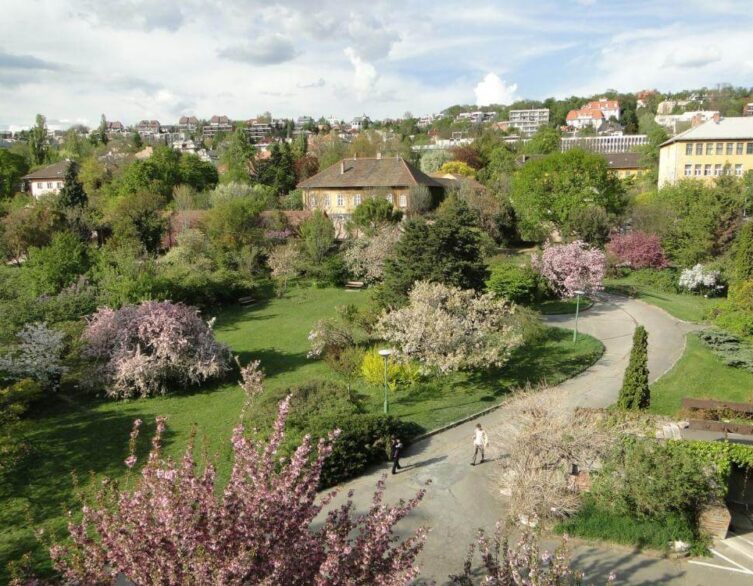
The Arboretum of Buda: A Garden Flourishing All Year Round
The Arboretum of Buda is one of the richest arboretums in Hungary, surrounding the building complex of the Buda Campus of the Hungarian University...
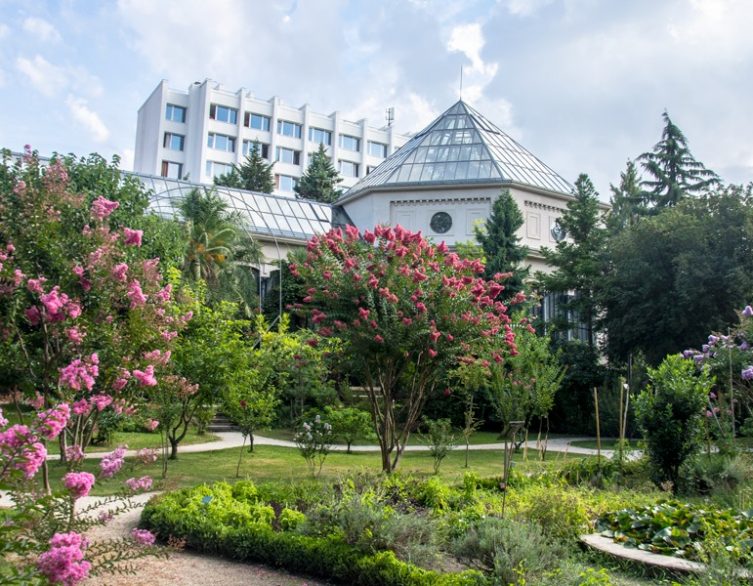
Füvészkert Botanical Garden: A Place To Connect With Nature
Only a few metro stops form the center, you can find the Füvészkert Botanical Garden which offers a refreshing breath with its soothing lush greenery...
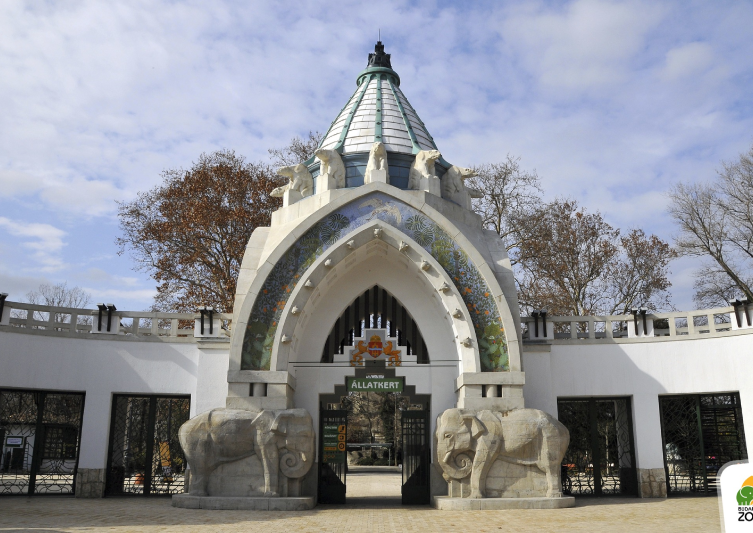
The Budapest Zoo & Botanical Garden: The Wonders of Nature In The Heart of Budapest
The Budapest Zoo & Botanical Garden is one of the oldest zoos in the world and a must-see attraction for any foreign tourist visiting Hungary’s...

Buda Castle: A timeless icon of Hungarian history in Budapest
Nestled on the western bank of the majestic Danube River in Budapest, Hungary, lies a place that resonates with centuries of history, culture, and...