Budapest in Bloom: The Ultimate Guide to Japanese-Themed Spring Experiences for Tourists in 2026
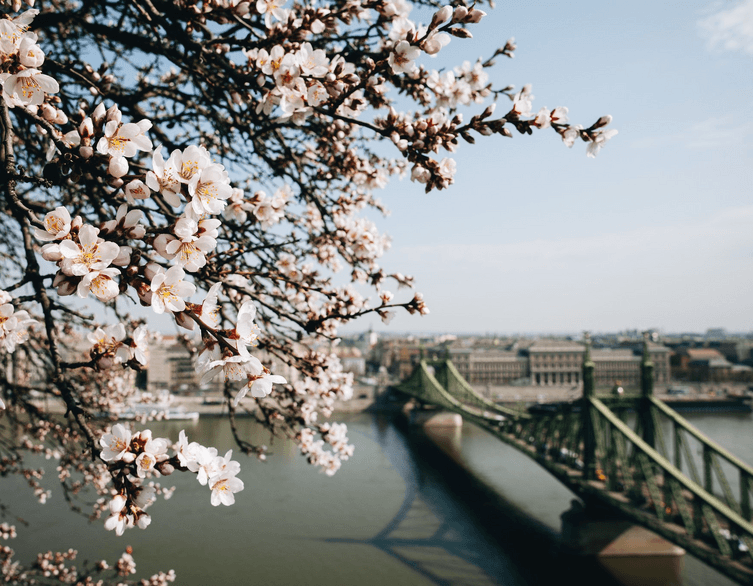
Spring in Budapest is a quietly spectacular thing. One morning you’re bracing against a March chill, and the next, the city’s parks and promenades are awash in clouds of pink and white petals. If you’re visiting Hungary’s capital between late March and mid-April, you’re in for one of the most unexpectedly magical experiences Europe has to offer. But Budapest’s love affair with Japanese culture goes well beyond the blossoms — from imperial-gift cherry trees to Michelin-level Japanese fine dining. Here’s your complete guide to experiencing the best of it this spring.
What Is Sakura — and Why Does It Matter?
Before diving into Budapest’s best bloom spots, it’s worth understanding why cherry blossoms inspire such devotion in the first place. In Japan, sakura is far more than a pretty flower — it’s a national symbol, a cultural moment, and almost a philosophy of life. The Japanese have celebrated the blooming season for centuries through a tradition called Hanami, which literally means “flower viewing.” Families and friends spread picnic blankets under the trees, share food and drink, and simply appreciate the fleeting beauty of the moment.
The key word is fleeting. The blossoms last only one to two weeks, and this impermanence is exactly what gives sakura its emotional power — a reminder to be present, because beauty doesn’t last forever. This Hanami spirit has quietly seeped into Budapest’s culture too, most beautifully at spots like the ELTE Botanical Garden, where a dedicated Sakura Festival brings a genuine slice of Japan to the heart of the city each spring.
When to Visit: Budapest’s 2026 Cherry Blossom Season
Timing your visit right is everything with cherry blossoms. In 2026, the season is shaping up to be an early one — thanks to an unusually mild late February and early March, the peak of the main blossom season is expected to fall in late March to early April. Some early-blooming trees at Millenáris Park may open as early as mid-March, while the Buda Arboretum extends the season all the way to mid-May.
The actual peak bloom at any single location typically lasts just four to seven days, so keep a close eye on local social media and weather forecasts — and don’t delay once the blossoms open.
🌸 The Best Cherry Blossom Spots in Budapest
Tóth Árpád Promenade — Budapest’s Most Iconic Blossom Walk
If you only have time for one blossom spot, make it the Tóth Árpád Promenade in the Buda Castle District. Stretching along the western wall of Castle Hill, this pedestrian walkway is lined on both sides with hundreds of Japanese ornamental cherry trees, creating a breathtaking tunnel of pink blossoms. The promenade sits just a short walk from Fisherman’s Bastion and Matthias Church, making it easy to combine your blossom stroll with some of Budapest’s most celebrated historic sights.
For the most peaceful experience, visit on a weekday morning — the golden early light filters softly through the petals, and you’ll have far more space than on a busy weekend afternoon.
ELTE Botanical Garden (Füvészkert) — Where Blossoms Meet Japanese Culture
Tucked away in the 8th district, the ELTE Botanical Garden (locally known as the Füvészkert) is one of Budapest’s true hidden treasures, and in spring it becomes downright enchanting. The garden is home to five different varieties of ornamental cherry trees, offering a diverse palette of blossoms ranging from delicate pale pink to rich, deep rose. Even outside the official festival weekends, a quiet weekday visit here can be absolutely magical if the timing is right.
The garden is located at Illés utca 25, in the 8th district (Józsefváros).
Millenáris Park — A Month-Long Celebration of Spring
For those who prefer a more open, modern setting, Millenáris Park in the 2nd district offers a relaxed and accessible blossom display stretching from mid-March all the way through mid-April — one of the longest blooming windows in the city. Grab a coffee from one of the nearby cafés, find a bench, and simply watch the petals drift by. The park is centrally located and easily reached by public transport, making it a great add-on to a stroll through the lively Buda streets nearby.
Gellért Hill — Blossoms with a Panoramic View
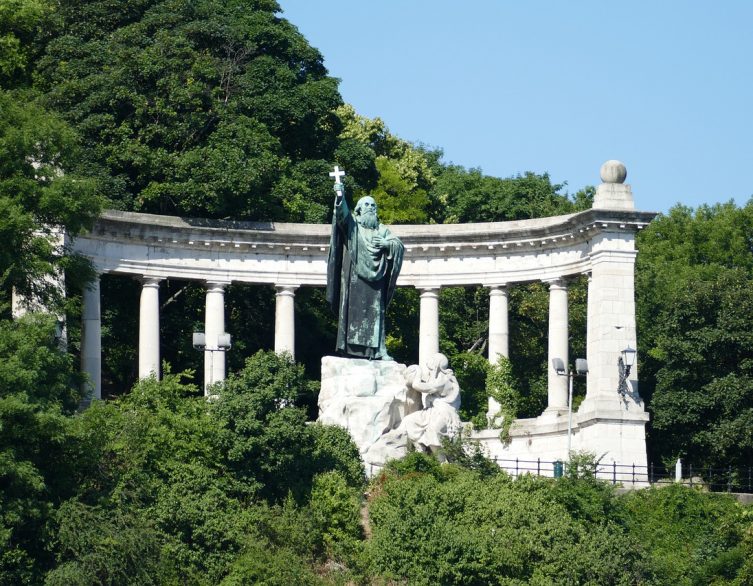
Gellért Hill rewards you for the effort of climbing it, and in spring that reward is spectacular. The southern and eastern slopes are scattered with ornamental cherry and almond trees, with almonds typically blooming from mid-March — making Gellért Hill one of the very first places in Budapest to announce the arrival of spring. One particularly beloved photo spot is a single, magnificent cherry tree near the Rock Church (Sziklatemplom), perfectly positioned to frame the tree, Liberty Bridge, and the Danube in a single shot. The nearby Philosopher’s Garden area offers quieter, less crowded corners where you can sit and soak it all in.
Blaha Lujza Square — Urban Spring Surprise
Not every cherry blossom experience requires a hike. Right in the bustling heart of Pest, the recently renovated Blaha Lujza Square offers a surprisingly charming encounter with spring blossoms in the middle of the urban buzz. Stumbling upon blooming cherry trees while navigating one of Budapest’s busiest squares is a genuinely delightful surprise — and well worth a pause if you’re passing through this part of the city during blossom season.
Buda Arboretum — The Plant Lover’s Paradise
At the southern foot of Gellért Hill, the Buda Arboretum — managed by the Hungarian University of Agriculture and Life Sciences — is the kind of place regulars keep to themselves. Its blossom season can begin as early as late March and extend all the way to mid-May, and its diverse collection includes the rare green-flowered ukon cherry, which you won’t find anywhere else in Budapest. In 2026, the arboretum is also organising guided cherry blossom walks on April 3rd and 4th for those who want to deepen their botanical knowledge while enjoying the scenery. The lower garden is open daily from 8:00 to 18:00, and the upper garden is open Monday through Friday during the same hours.
Zugló Japanese Garden — A Royal Gift in a Hidden Corner
Hungary’s very first Japanese garden, established in 1928, is tucked away in the 14th district — and most tourists never find it. The garden was designed in careful adherence to Japanese principles, centred around a serene system of small lakes. Its most remarkable piece of history? In 1931, Prince Takamatsu of the Japanese imperial family visited Hungary and later sent a collection of gift plants, including several ornamental cherry trees — and one of those original imperial trees still stands in the garden today. You can enter through a traditional Torii gate, wander stone pathways laid with stones from the Normafa cogwheel railway excavation, and even bring a picnic. Regular opening hours are daily from 10:00 to 18:00.
🎋 Special Japanese Events in Budapest This Spring
Sakura Festival at ELTE Botanical Garden — Budapest’s Most Magical Spring Event
Dates: March 28–29 and April 11–12, 2026 | Hours: 9:00–18:00
The Sakura Festival is Budapest’s own take on Ohanami — the centuries-old Japanese tradition of gathering beneath blooming cherry trees to celebrate spring’s arrival. What makes this festival truly special is that visitors are actively encouraged to spread out a blanket on the grass beneath the flowering branches, sip a cup of tea, and simply be present as the pink petals drift around them. It’s Budapest’s answer to slow living — a rare, unhurried moment of beauty right in the city centre.
The 2026 programme is packed with Japanese cultural experiences:
- Ikebana exhibition and workshops (the Japanese art of flower arranging)
- Japanese language lessons
- Traditional Japanese music performances
- Martial arts and weapons demonstrations
- Go instruction (the ancient Japanese strategy board game)
- Live concerts
- Haiku poetry competition
Tickets can be purchased in advance online or at the garden’s ticket office on the day, and buying ahead is strongly recommended — this festival gets busy. Advance adult tickets are 3,200 HUF, with on-the-day tickets at 3,700 HUF. Concession tickets (students, seniors, visitors with disabilities) are 2,200 HUF in advance and 2,700 HUF on the day. Children under school age pay a small registration fee of 200 HUF. Last entry with an online ticket or Sakura season pass is at 17:30.
The garden is easy to reach by public transport: take Metro M4 to Rákóczi tér station and walk from there, or hop on Tram 4 or 6 to the Rákóczi tér stop. Bus 9 also serves the Üllői út and Kálvin tér area nearby. The garden is located at Illés utca 25, in Budapest’s 8th district.
Japanese Garden Day in Zugló — A Serene Spring Afternoon Off the Beaten Path
Date: Saturday, April 18, 2026 | Hours: 9:00–17:00
If you love the idea of experiencing something authentic, uncrowded, and genuinely beautiful, Japanese Garden Day at the Zugló school garden is a perfect choice. This beloved annual event opens the gates of the KMASZC Varga Márton Horticultural and Land Surveying Technical School’s Japanese garden for a full day of programmes centred around nature and Japanese garden culture. It’s a wonderfully local experience — the kind that most tourists never stumble upon — and that’s precisely what makes it so special.
A handy modern touch: QR codes are placed throughout the garden, offering visitors with smartphones detailed information about the plants and features as they explore.
The event is held at Mogyoródi út 56–60, Budapest 1149, with entrance through the gate at Kövér Lajos utca 1. Advance tickets are 2,500 HUF, available at the school’s reception. To get there, take Metro M2 to Pillangó utca station, then continue by trolleybus 74 or 75, or use Bus 25 or 26 running through Zugló. The garden is also close to City Park (Városliget), Heroes’ Square, and the Budapest Zoo, making it easy to combine with other sightseeing in the 14th district.
🍜 The Best Japanese Restaurants in Budapest
Budapest has quietly built one of the most exciting Japanese food scenes outside of Asia. Whether you’re after fine dining, serious sushi, a steaming bowl of ramen, or a budget-friendly bowl of donburi, the city has you covered.
Fine Dining
NOBU Budapest is in a league of its own — part of the globally celebrated Nobu empire, this is Japanese-Peruvian fine dining at its most polished, housed within the Kempinski Hotel Corvinus on Erzsébet tér 7–8. Signature dishes like miso-glazed Alaskan black cod and Yellowtail Jalapeño are iconic worldwide. Note that the restaurant is currently operating temporarily from the Blue Fox The Bar space during renovations, so check ahead before booking. Main courses range from around 12,900 to 23,900 HUF.
Best deals of Budapest









TOKIO Budapest on Széchenyi István tér 7–8 is the most-reviewed Japanese restaurant in the city, and with good reason. Expect black cod, wagyu, and lobster tempura in a sleek, upscale setting — this is the place for a special occasion dinner, with prices starting around 20,000 HUF per person. Reservations are essential.
Atmospheric Hidden Gems
Kakurega — meaning “hiding place” in Japanese — is tucked away on Arany János utca 13. Counter seating puts you directly in front of the chefs for an intimate, almost theatrical evening. The mangalica tonkatsu sandwich is a crowd favourite; book ahead and sit at the counter if you can.
Yama on Október 6 utca 9 takes a similarly atmospheric approach, with a fully choreographed sensory experience where interiors, lighting, and music are all part of the design. Dishes like crispy black tiger prawn tempura and tuna tataki are presented with real visual flair. Arrive after dark when the space truly comes alive.
Outstanding Sushi
CUBE Sushi on Akácfa utca 24 is one of the highest-rated Japanese spots in the entire city, with nearly 1,600 Google reviews averaging 4.9 stars. The nigiri and tonkotsu ramen are the standout dishes, and it’s open daily from 11:30 to 23:00 — a reliable choice at almost any hour.
Okuyama No Sushi in Óbuda (Kolosy tér 5) is in a category of its own for authenticity. Master Okuyama brings decades of experience and a traditional Japanese philosophy to a modest basement space, where the rice temperature, seasoning, and texture receive the same attention as the fish quality. Ask the chef for seasonal recommendations and go with the nigiri selection.
Ennmann Budapest on Bem rakpart 20 offers similar sushi quality in a scenic setting right on the Buda side of the Danube, making it equally good for a quick lunch or a shared evening meal.
IKIGAI Sushi on Papnövelde utca 3 near the Inner City carries a flawless 5.0 rating, though it operates on a more limited schedule — Thursday through Sunday evenings plus weekend lunches — so plan accordingly.
Ramen Worth Going Out of Your Way For
WAFU Ramen Bar is at the heart of Budapest’s ramen scene. The tonkotsu is silky and rich, the shoyu clean and soy-forward, and vegan options are prepared with a separate broth. Beyond the bowls, the menu stretches into gyoza, karaage, takoyaki, and onigiri, so a full izakaya-style shared dinner is entirely possible here. WAFU has three locations: Kazinczy utca 35 in the heart of the ruin bar district, Katona József utca 24, and Budafoki út 41.
Ramenji Ramen on Váci utca 49 is an excellent central option, rated 4.9 stars with nearly 1,000 reviews, and it offers outdoor seating — a lovely bonus during Budapest’s warm spring months.
Kawamura Ramen on Dohány utca 54 is a cosier neighbourhood find, known for great gyoza alongside its ramen, and worth noting for being explicitly dog-friendly and LGBTQ+-friendly.
Great Japanese Food Without the Fine Dining Price Tag
HACHI Budapest on Október 6 utca 8 brings the Japanese canteen experience to the city centre with style. Standout dishes include wagyu gyoza, tonkatsu sando, and tonkotsu ramen built on a deeply flavoured broth. The kanteen lunch menu — a starter, main, and three snacks — is a particularly good value option for a midday meal.
HACHI-KO on Madách Imre út 3 is HACHI’s younger, more experimental sibling, pushing things further with creative small plates alongside its shoyu ramen. Dishes like salt-koji-aged pork belly with black tea aromatics and butter-enriched tiger prawn dumplings show a kitchen genuinely enjoying itself. Come with a group, order several small plates, and finish with the bubble tea crème brûlée — one of the more memorable desserts in Budapest’s Japanese dining scene.
Komachi Bistro on Kertész utca 33 offers something slightly different: unpretentious, consistently excellent Japanese home cooking. The ramen broths are deep and nourishing, the udon soups comforting, and the tonkatsu properly crispy. Nothing here is showy, but everything is well-executed and honest — exactly what you want when you’re tired of tourist traps and just want a great meal.
Fusion Concepts Worth Exploring
101 Neo on Kazinczy utca 9 blends Japanese and Korean influences in a striking, dark-toned space. The signature “black soup” — a deeply concentrated, long-simmered beef broth with intense soy character — is one of the most distinctive dishes in the city, and the tonkatsu sandwich in Japanese milk bread with house worcester sauce is outstanding.
Yamato on Jókai utca 30 takes a different route with its Table Grill concept — smoke-free grills built into each table where you cook your own marinated meats and seafood, following the Japanese yakiniku tradition. It’s interactive, social, and genuinely fun, best enjoyed with a group.
Monokini Kantin on Varsányi Irén utca 33 in the Margit Quarter pulls off a surprisingly natural fusion of Spanish and Japanese sensibilities. Ramen at lunch is widely considered among the city’s best, while evenings shift to sharing plates, natural wines, and sake drinks — intimate, creative, and a little off the beaten tourist path.
Quick, Affordable, and Genuinely Good
Sushi Lotus on Király utca 1b offers quality sushi in the 4,000–6,000 HUF range, with poké bowls and delivery available — ideal if you’re eating well on a budget.
Ichigo on Király utca 40 is a health-conscious Japanese-Asian bistro with a strong vegetarian and vegan selection, colour-forward bowls, and fresh rice rolls made in-house. It fills up fast at lunchtime, which tells you everything you need to know.
Don Doko Don on Üllői út 2–4 near Kálvin Square serves comfort-food donburi — steaming rice topped with juicy meats, fresh vegetables, and rich sauces — starting at around 2,600 HUF. Unpretentious, filling, and exactly the kind of place locals return to again and again.
📸 Photography Tips for Blossom Season
Cherry blossom photography doesn’t require a professional camera — just good timing and a little patience.
- Golden hour (the hour before sunset) is your best friend — the low-angled light filters right through the translucent petals, making them glow with a warm, luminous quality
- For close-ups, move in tight to a single branch and use portrait mode on your phone to blur the background, letting the delicate structure of the flowers take centre stage
- Weekday mornings offer the best combination of soft light and peaceful crowds at popular spots like Tóth Árpád Promenade
- The Gellért Hill cherry tree near the Rock Church offers a single frame with the Liberty Bridge and the Danube — the kind of shot that makes your followers think you’ve flown to Kyoto
And whatever you do, don’t spend the entire visit looking through a lens. Put the camera down, find a bench, and let the moment wash over you. That, after all, is the whole point of Hanami.
Combine Your Visits Smartly
Most of Budapest’s best Japanese restaurants are clustered in the 5th, 6th, and 7th districts, making it easy to explore several over the course of a trip. The 7th district — home to the famous ruin bars — has become a natural hub for casual Japanese dining, with WAFU, Kawamura, and CUBE Sushi all within walking distance of each other. For blossom spots, the Tóth Árpád Promenade sits right next to Buda Castle and Fisherman’s Bastion, Gellért Hill leads down to the famous Gellért Thermal Baths, and the Zugló Japanese Garden is just a short hop from City Park and Heroes’ Square.
For popular restaurants — especially Kakurega, Yama, Monokini Kantin, and NOBU — book a table in advance, particularly on weekends. Most restaurants accept English-speaking guests without any issue, and many have English menus available.
Budapest’s Japanese spring doesn’t get better than 2026. Come for the thermal baths and the baroque skyline — and stay for the sakura.
Last updated: March 2026. Blossom timing and event schedules are subject to change depending on weather conditions. Always check official venue pages before visiting.
Related news
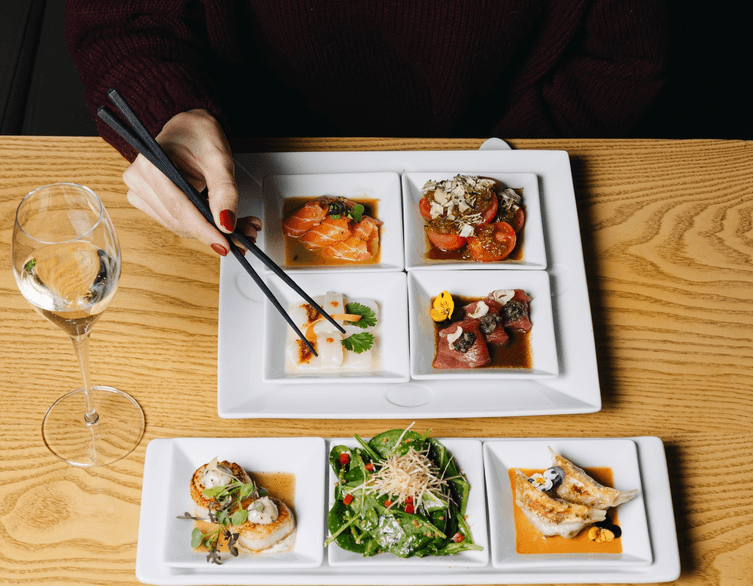
The Best Japanese Restaurants in Budapest: From Sushi Bars to Ramen Havens
Budapest might not be the first city that comes to mind when you think of Japanese cuisine, but this Central European capital has quietly built one...
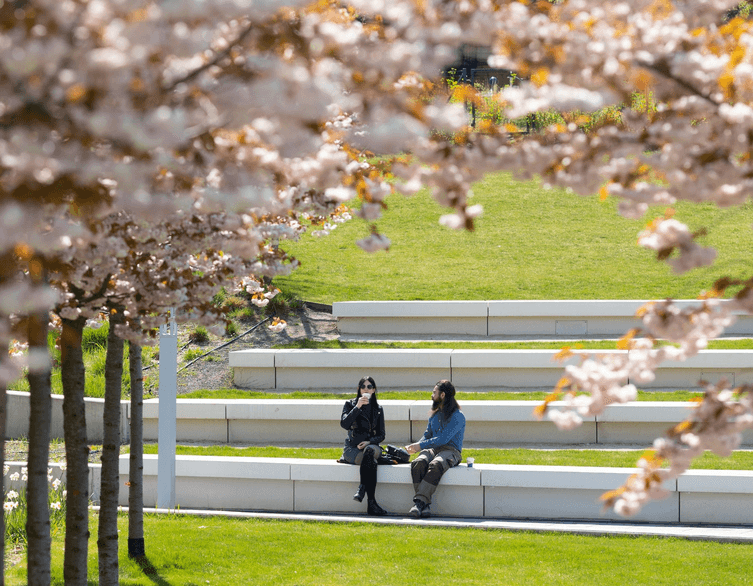
A Perfect Day at Millenáris Park: Budapest’s Hidden Green Gem
If someone told you that one of Budapest’s best-kept secrets is a park tucked just behind the bustling streets of the 2nd District, you might...
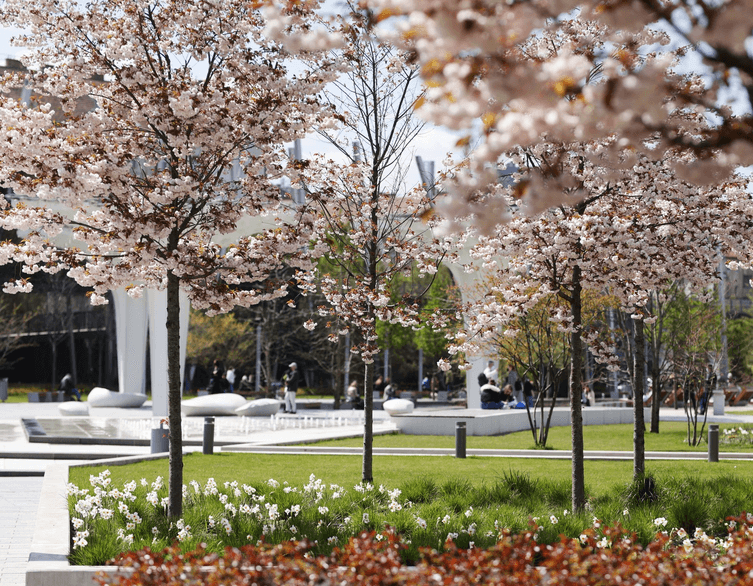
Budapest in Bloom: Your Complete Guide to Cherry Blossom Season in the Hungarian Capital
Spring arrives in Budapest like a quiet revolution. One morning you’re zipping up your jacket against a sharp March chill, and the next, the...
Pink Petals Over the Danube: The Almond Blossoms of Gellért Hill and the Extraordinary History Beneath Your Feet
Budapest’s Most Beautiful Spring Secret Every March, while the rest of the city is still pulling on its coat and considering whether it needs...

Geek-Themed Adventures in Budapest This Spring
Hey, fellow geeks heading to Budapest this spring 2026! If you’re a foreign tourist craving comics, cosplay, anime, and gaming vibes, the city’s...
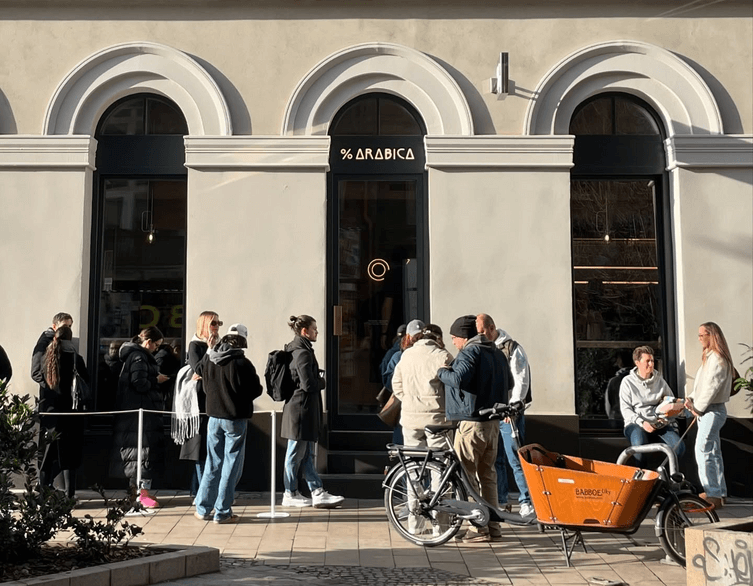
Japanese Coffee Chain % Arabica Opens Its First Central European Location in Budapest
In a significant development for coffee enthusiasts and urban culture aficionados, the premium Japanese coffee chain % Arabica has opened its first...
Related events
Related attractions
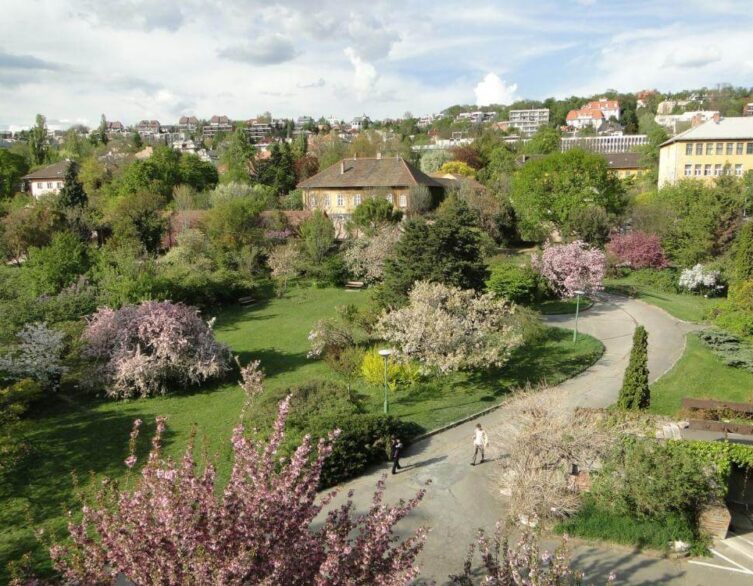
The Arboretum of Buda: A Garden Flourishing All Year Round
The Arboretum of Buda is one of the richest arboretums in Hungary, surrounding the building complex of the Buda Campus of the Hungarian University...
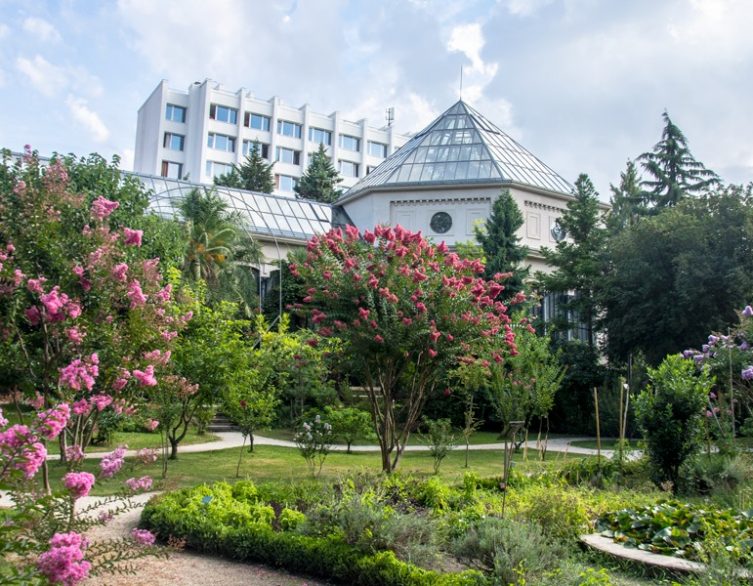
Füvészkert Botanical Garden: A Place To Connect With Nature
Only a few metro stops form the center, you can find the Füvészkert Botanical Garden which offers a refreshing breath with its soothing lush greenery...
Gellért Hill: A Breathtaking Escape in the Heart of Budapest
Towering above the majestic Danube River, Gellért Hill stands as a captivating landmark in the historic city of Budapest. This iconic hill, rising...