Budapest Has Been Named Europe’s Most Authentic Food City
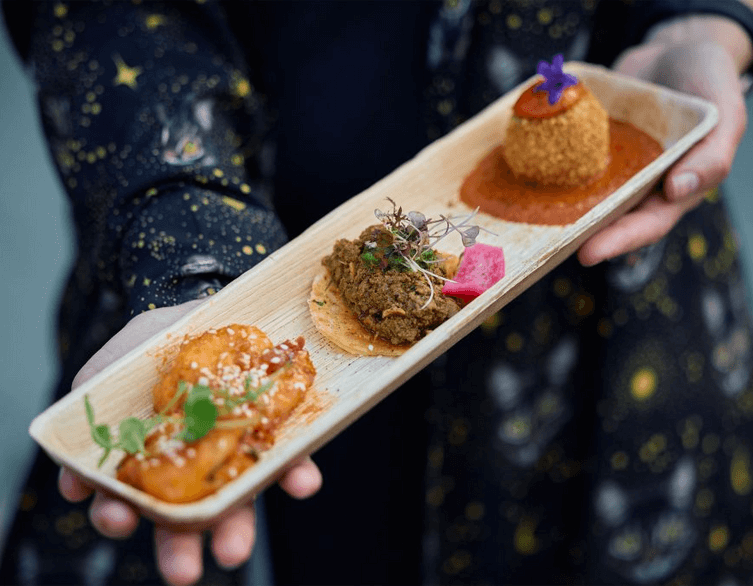
There are cities where you eat well, and then there are cities where eating is the whole point. According to one of the world’s most respected travel publications, Budapest firmly belongs in the second category. Travel + Leisure, the prestigious American travel magazine read by millions of people every day, has reported that Budapest has been ranked the number one most authentic food destination in Europe — a finding that food lovers, curious travellers, and anyone planning a trip to the Hungarian capital should take very seriously indeed.
The Study Behind the Title
The ranking comes from a rigorous analysis carried out by a team of food and travel experts who set out to answer a genuinely interesting question: which European cities are serving their own traditional cuisine with integrity, rather than simply adapting it to suit what tourists are assumed to want? The methodology was thorough. The team analysed 5,000 restaurants across 125 European cities, examining Google review data to track how frequently diners used words like “authentic” and “traditional” when describing their meals. This data was then combined with a sentiment score — essentially a measure of how positively reviewers felt about their experience — to produce a final ranking.
Best deals of Budapest
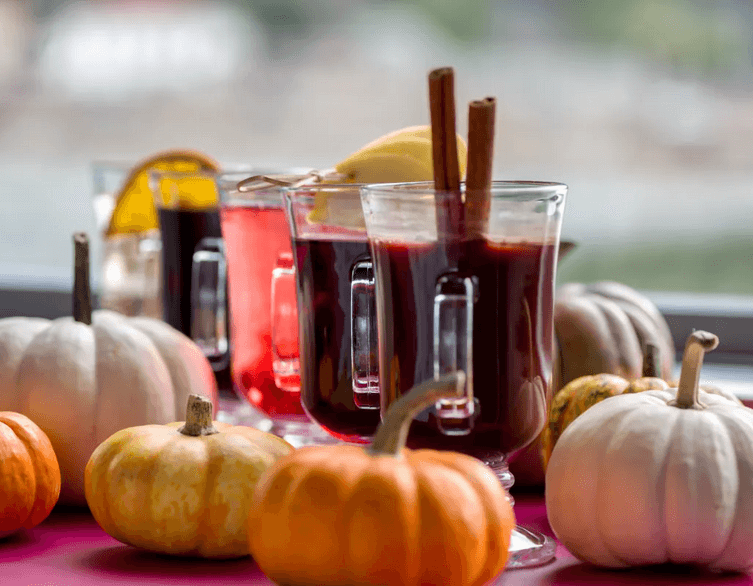





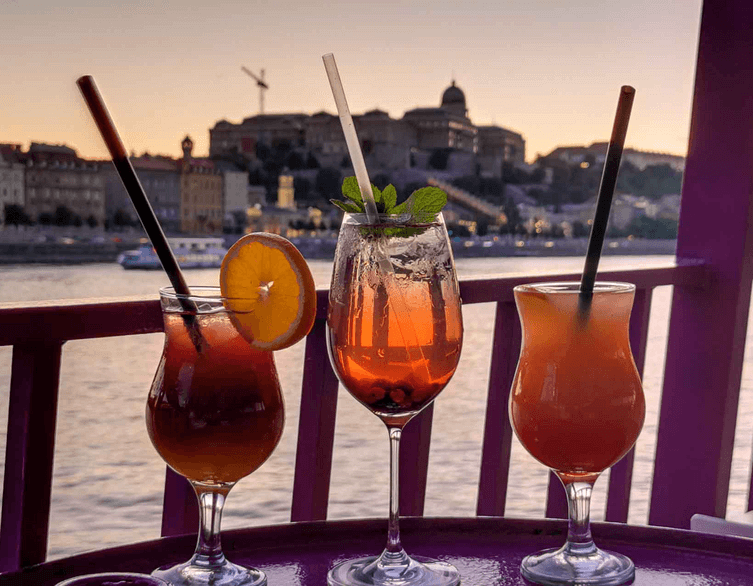



When the results were in, Budapest came out on top with a score of 98 out of 100, comfortably ahead of second-place Piraeus in Greece with 97 points and third-place Athens with 96. Vienna and Milan also made the top ten, as did Kraków, Prague, Valletta, Warsaw, and Munich — but it was the Hungarian capital that set the standard against which all others were measured. The story was covered by Travel + Leisure contributor Stacey Leasca, an award-winning journalist whose work also appears in Time, the Los Angeles Times, and Glamour, giving Budapest’s culinary reputation an extraordinary boost in the world’s most influential travel media markets.
What Makes Budapest’s Food Scene So Special
Part of what makes this ranking so meaningful is a point that Travel + Leisure itself highlights: Hungarian restaurants are rare outside Hungary. Unlike Greek, Italian, or French cuisine — which has spread to virtually every major city in the world — authentic Hungarian cooking remains something you really have to travel for. That scarcity makes Budapest’s food scene all the more precious for visitors. When you sit down to a bowl of gulyás (goulash) or a plate of csirkepaprikás (chicken paprikash) in Budapest, you are eating something that is genuinely rooted in the place where it was born.
Paprika is the soul of Hungarian cooking, and its influence runs through the cuisine at every level — from slow-cooked beef stews to creamy braised chicken dishes fragrant with red pepper and sour cream. The flavours are bold, warming, and deeply satisfying in a way that feels entirely suited to the city’s dramatic architecture and its long, complex history. Hungarian food does not try to impress with delicacy or minimalism; it impresses with generosity, depth, and a sense that every recipe carries centuries of accumulated wisdom.
Street Food You Simply Cannot Miss
Budapest’s street food scene is one of the city’s great unsung pleasures, and it played a significant role in the research that earned the city its top ranking. The most iconic street food experience is lángos — a disc of deep-fried dough, golden and slightly crisp on the outside, soft and pillowy within, traditionally topped with sour cream, garlic, and grated cheese. It is the kind of food that is almost impossible to describe without making the reader immediately hungry, and it is available at market stalls, outdoor stands, and dedicated street food courts across the city. For a particularly beloved version, the Karaván street food court near the Gozsdu Courtyard in the Jewish Quarter is a favourite among locals and visitors alike.
For those with a sweet tooth, kürtőskalács — known in English as chimney cake — is the other great Budapest street food institution. These cylindrical pastries are made from a sweet yeast dough wound around a spit, slowly roasted over charcoal until the outside is beautifully caramelised and slightly crisp, and the inside remains soft and fragrant. They can be found all over the city, from the stands along Váci Street to the stalls outside Nyugati Railway Station, and they are best eaten warm, straight from the spit, on a cool afternoon of sightseeing.
Where to Eat Like a Local
Beyond street food, Budapest’s restaurant scene rewards those who are willing to venture slightly off the main tourist drag. The Great Market Hall at the southern end of Váci Street — a magnificent neo-Gothic iron-and-brick building completed in 1897 — is the best single place in the city to encounter the full range of Hungarian ingredients and prepared foods, from strings of dried paprika hanging from the rafters to lángos stalls on the upper floor. It is as much an architectural experience as a culinary one, and no visit to Budapest is complete without at least an hour spent wandering its stalls.
For sit-down dining, the city has a growing number of excellent traditional restaurants where the cooking is taken seriously without being precious about it. Dishes like marhapörkölt (beef stew), hortobágyi palacsinta (savoury crepes filled with veal and smothered in paprika sauce), halászlé (a fiery fisherman’s soup made with river fish and generous amounts of hot paprika), and töltött káposzta (stuffed cabbage rolls in a rich tomato and sour cream sauce) represent the backbone of the Hungarian culinary repertoire — hearty, flavourful, and utterly distinctive.
A Food City That Surprises Every Time
What the Travel + Leisure ranking ultimately captures is something that frequent visitors to Budapest have known for years: this is a city that takes its food personally. Hungarian cuisine is not just a collection of recipes but a living expression of national identity, regional pride, and centuries of cultural exchange with neighbouring cuisines from the Ottoman, Habsburg, and Central European worlds. The result is a food culture that is confident, generous, and genuinely unlike anything you will find elsewhere.
For travellers who are even slightly motivated by food — and research suggests that the vast majority of us are — Budapest deserves to be near the top of any European itinerary. The combination of a spectacular city, deeply affordable dining by Western European standards, and a culinary tradition that has just been officially recognised as the continent’s most authentic makes it, arguably, one of the best value food destinations on the planet. Come hungry.
Follow Budappest.com on Facebook
Related news
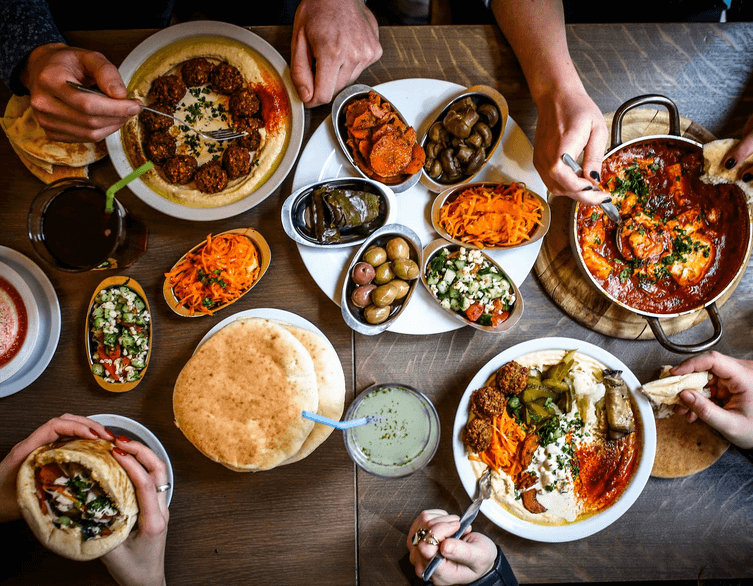
Budapest’s Best Vegetarian & Vegan Eats: A Food Lover’s Guide for 2026
If you’ve ever imagined Budapest as a city of rich goulash, chimney cakes, and heavy meat dishes, think again. In recent years, the Hungarian capital...
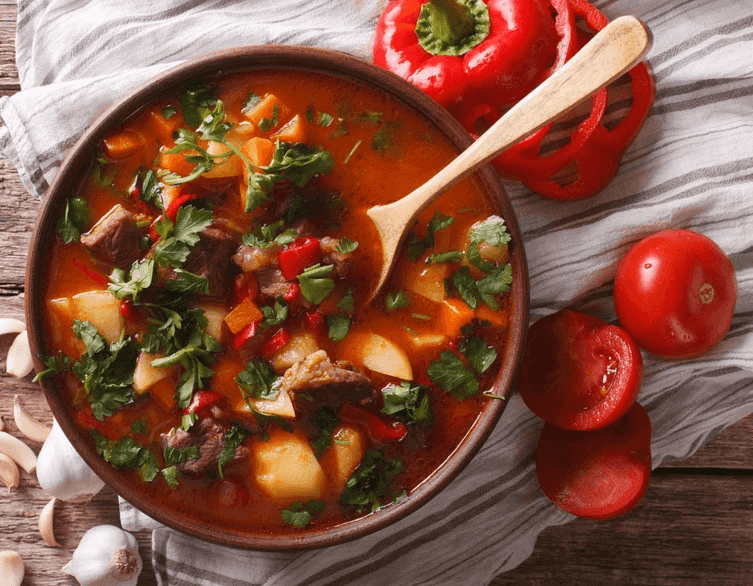
Budapest Crowned Europe’s Most Authentic Food Destination: Why the Hungarian Capital Beat Rome, Paris, and Barcelona
When travelers dream of Europe’s finest culinary destinations, their minds typically wander to Italy’s pasta perfection, France’s...
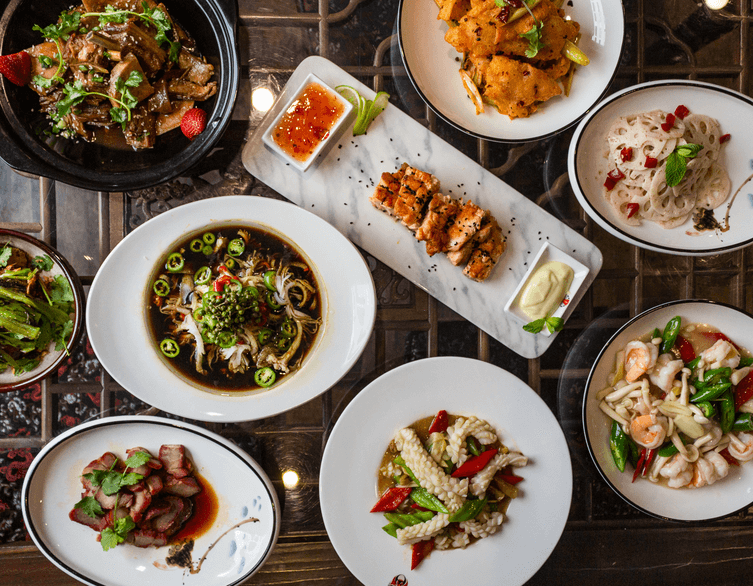
Discovering Budapest’s Best Chinese Restaurants: A Culinary Journey Through Authentic Flavors
When you think of Budapest, your mind probably conjures images of steaming bowls of goulash, crispy lángos, and those irresistible chimney cakes...
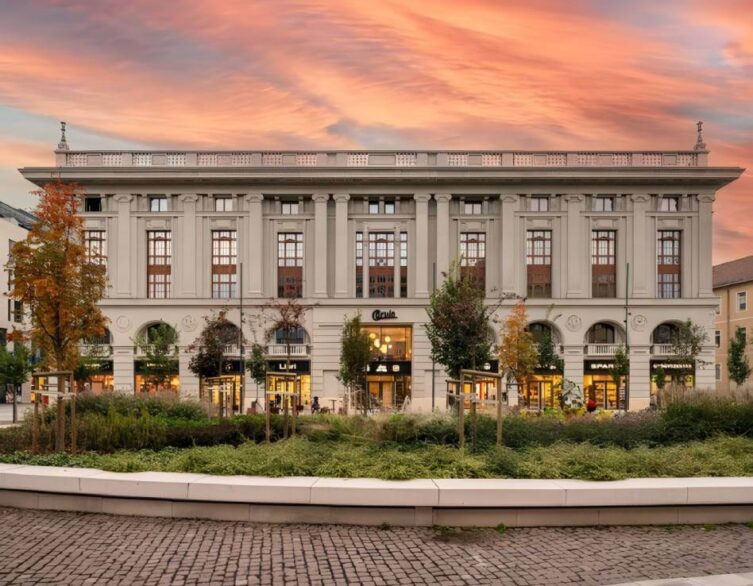
Budapest’s Game-Changing Time Out Market: A Culinary Revolution on Blaha Lujza Square
Budapest is about to make history in Central Europe with an extraordinary addition to its culinary landscape. The city is welcoming its very first...
Warm Up Your Soul: The Best Potato-Based Street Food in Budapest
If you find yourself in Budapest this week, shivering under a gloomy sky and wondering if your toes will ever feel warm again, don’t worry. The...
Related events