Budapest Christmas & New Year Transport Guide 2025–2026
Below you will find a clear, structured overview of how public transport and parking work in Budapest during the 2025–2026 festive period. Each section focuses on a specific date or topic so you can quickly find exactly what you need.
General Overview
During the year-end holidays, Budapest maintains continuous public transport, but timetables change several times between December 22 and January 4. Daytime services (buses, trams, trolleybuses) follow different “workday”, “Saturday”, “Sunday/holiday” and “special year-end” schedules on specific dates. Night services and the metro also run on different patterns depending on the night in question, with special all-night service on New Year’s Eve.
Daytime Services: December 22 – January 4
Between December 22 and January 4, daytime routes operate as follows:
December 22–23:
Daytime services run according to the school-holiday workday timetable.
December 24:
Daytime services run according to the special December 24 timetable. Most daytime surface routes (buses, trams, trolleys) make their last departures from termini between 15:00 and 16:00. Metros run longer, until 18:00.
December 25–26:
Daytime services run according to the public holiday / non-working day timetable.
December 27:
Daytime services follow the Saturday timetable.
December 28:
Daytime services follow the Sunday / public holiday timetable.
December 29–31:
Daytime services run according to a special year-end workday timetable, or, where such a schedule does not exist, the school-holiday workday timetable. Some purely “extra” lines such as 33A and 10 do not operate.
January 1:
Daytime services run according to the public holiday / non-working day timetable.
January 2–3:
Daytime services follow the Saturday timetable.
January 4:
Daytime services follow the Sunday / public holiday timetable.
Night Services & Metros: December 22 – January 4
Night services (and late-evening metro service) between December 22 and January 4 follow this pattern:
Night of December 22–23:
Night services follow the normal workday night timetable.
Night of December 23–24:
Night services follow the weekend (Friday–Saturday) night timetable. Metros run with extended weekend operating hours.
Night of December 24–25:
Night services follow the special December 24 night timetable. Metros run until 18:00 only.
Night of December 25–26:
Night services follow the normal workday night timetable.
Night of December 26–27:
Night services follow the weekend (Friday–Saturday) night timetable, with extended metro hours.
Night of December 27–28:
Night services follow the weekend (Friday–Saturday) night timetable, with extended metro hours.
Night of December 28–29:
Night services follow the workday night timetable.
Night of December 29–30:
Night services follow the workday night timetable.
Night of December 30–31:
Night services follow the workday night timetable.
Night of December 31–January 1 (New Year’s Eve):
Special New Year’s Eve timetable. All metro lines run all night.
Night of January 1–2:
Night services follow the weekend (Friday–Saturday) night timetable, with extended metro hours.
Night of January 2–3:
Night services follow the weekend (Friday–Saturday) night timetable, with extended metro hours.
Night of January 3–4:
Night services follow the weekend (Friday–Saturday) night timetable, with extended metro hours.
December 24: Christmas Eve – Daytime
On December 24 (Christmas Eve), Budapest has a shortened daytime schedule but still offers good connectivity:
Morning and daytime:
All daytime routes run on a Saturday timetable.
Last daytime departures:
Most surface routes (buses, trams, trolleybuses) make their last trips from termini between 15:00 and 16:00.
Metro operation:
All metro lines (M1, M2, M3, M4) run later than surface daytime lines, until around 18:00.
Shopping centre access:
Because major suburban shopping centres close early, many lines serve them for the last time between about 13:30 and 14:30, except bus 22, which continues to call there until the end of its operation.
HÉV suburban trains (crossing the city boundary):
H5, H6, H8 and H9 HÉV lines run until their usual late-evening closing, but with reduced frequency.
H7 HÉV runs only until 16:00, with last departures:
– from Boráros tér at 15:57 towards Csepel
– from Csepel at 15:38 towards Boráros tér.
Last metro departures from termini on December 24 are as follows:
M1:
– From Mexikói út at 18:02 towards Vörösmarty tér
– From Vörösmarty tér at 18:15 towards Mexikói út
M2:
– From Déli pályaudvar at 18:03 towards Örs vezér tere
– From Örs vezér tere at 17:58 towards Déli pályaudvar
M3:
– From Újpest-központ at 17:51 towards Kőbánya-Kispest
– From Kőbánya-Kispest at 17:56 towards Újpest-központ
M4:
– From Keleti pályaudvar at 18:10 towards Kelenföld vasútállomás
– From Kelenföld vasútállomás at 17:57 towards Keleti pályaudvar
December 24: Christmas Eve – Late Afternoon & Evening
From 16:00 on December 24, travel looks different:
16:00–18:00:
You can travel by metro (until 18:00) and on night bus lines, as well as on H5, H6, H8 and H9 HÉV lines. Several night bus routes follow modified paths and increased frequencies to connect better with the still-running metro lines.
Best deals of Budapest




After 18:00:
When the metro stops, all night bus routes switch to their full routes and workday night frequencies. Extra “leisure” departures that usually support evening entertainment, like 907A, 909A, 914A, 931A, 973A and 979A, do not run on Christmas Eve.
Airport and key 24/7 lines:
– Bus 100E and bus 200E to the airport operate day and night as usual.
– Tram 6 runs 24 hours as usual; between 16:00 and 20:00 every 10 minutes, and from 20:00 every 15 minutes.
– Bus 200E runs every 8–10 minutes after 16:00; after the last metro, it runs every 20 minutes from and to Határ út, connecting to night buses.
Between about 15:30 and 16:00, night routes begin service with intervals similar to normal night-time frequencies.
December 24: Night Buses with Special Routing and Extra Trips (16:00–18:00)
Between 16:00 and 18:00, to connect with the metros, certain night lines run on modified routes, sometimes more frequently or with larger, articulated buses. These include:
Bus 914:
Runs between Nyugati pályaudvar and Káposztásmegyer, Mogyoródi-patak, and between Határ út and the Dél-pesti bus garage.
Bus 931:
Runs between Örs vezér tere and Árpádföld, and between Nyugati pályaudvar and Zöldmál.
Bus 934:
Until 18:00 runs between Pesterzsébet and Békásmegyer. After 18:00 it switches to the normal workday route between Nyugati pályaudvar and Békásmegyer only.
Bus 950:
Runs between Pestszentimre vasútállomás and Határ út, and between Újpest-központ and Rákospalota, Kossuth utca.
Bus 950A:
Runs between Újpest-központ and Rákospalota, Kossuth utca.
Bus 990:
Runs between Normafa and Deák Ferenc tér, and between Örs vezér tere and Rákoskert.
Between 16:00 and 18:00, several night lines provide extra departures to handle demand, for example: 907, 909A, 923, 956, 973, 979 and 979A.
Bus 916 in the Buda Castle area runs denser, every 5–10 minutes between 16:00 and 21:30 because of tourist demand. Bus 916A runs until 18:00 between Széll Kálmán tér and Deák Ferenc tér as additional service.
December 25–26: Christmas Holidays
On December 25 and 26:
Daytime:
All daytime routes run on a public holiday / non-working day timetable.
Airport:
Due to lower traffic, bus 100E runs less frequently than usual on December 25, but service is continuous.
Night:
Night trains and buses follow their usual patterns for a public holiday period, with details depending on the exact night, as described in the night schedule section.
Between the Holidays: December 27–31
From December 27 to 31, Budapest has near-normal traffic but with some holiday-specific changes:
December 27:
Daytime runs on a Saturday timetable.
December 28:
Daytime runs on a Sunday / public holiday timetable.
December 29–31:
Daytime services follow a special year-end workday timetable or the school-holiday workday schedule. Some routes used only as temporary “extra” lines do not operate (for example 33A and 10).
During these days, metro and many tram, trolley and bus lines run frequently but with slightly adjusted headways to reflect reduced commuter traffic and increased tourist and leisure travel.
New Year’s Eve Night (December 31–January 1)
On New Year’s Eve night, public transport is significantly expanded to match the large crowds:
Metros:
All four metro lines (M1, M2, M3, M4) run all night long.
Trams:
The following tram lines run all night: 4, 6, 14, 47, 50, 56A.
Tram 17 runs all night on a modified route between Bécsi út / Vörösvári út and Városház tér.
Trolleybuses:
Trolleybus 75 runs all night.
Trolleybus 80 runs all night on an extended route between Örs vezér tere and Blaha Lujza tér.
Buses:
The following daytime bus lines run all night: 5, 8E, 16 and 223E.
Bus 7 runs as a special line marked 7B on a modified route between Újpalota, Nyírpalota út and Deák Ferenc tér.
HÉV suburban trains:
All HÉV lines run all night on every line, according to MÁV’s information.
Night bus network:
Many night bus lines have special, denser timetables and are coordinated with metro and tram services. Several of them receive more frequent departures, extended hours, or branch routes:
– 914, 923, 931, 950, 973, 990 and many others get additional services (such as 914B, 923A, 931B, 950B, 973B, 990A) or denser headways.
– Some lines (for example 934, 956, 901, 908, 909, 909A, 918, 930, 941, 966, 979A, 999, 922, 940, 994 and 994B) operate with extra or adjusted service to handle crowds.
– Some routes that normally act as extra services (907A, 914A, 916, 931A, 973A) do not run because metro lines are available all night.
– Night buses 943 and 992 do not operate because HÉV suburban trains run all night on the relevant sections.
Airport buses:
Buses 100E and 200E run on their usual, unchanged timetable during New Year’s Eve night, continuing to provide a straightforward airport connection.
January 1, 2, 3, 4
January 1:
Daytime routes run according to the public holiday / non-working day timetable. Night services follow the special New Year’s Eve pattern until early morning, then revert to normal for a holiday.
January 2–3:
Daytime routes operate according to the Saturday timetable.
January 4:
Daytime routes follow the Sunday / public holiday timetable.
Parking During the Holidays
A key 2025 change concerns parking in Budapest during the “between the holidays” period. From this year on, public on-street parking is paid on the working days between Christmas and New Year. This means:
December 29, 30, 31:
These days are workdays (Monday, Tuesday, Wednesday), and street parking in paid zones is not free. Normal parking fees and time limits apply, so you must buy a ticket or use a mobile app to pay.
On public holidays themselves (December 25, 26 and January 1), general Hungarian holiday rules apply, and most on-street parking is free, except for special zones or privately operated car parks.
Because central parking is paid and often busy, using public transport during these days is usually the most convenient and predictable choice.
Tourist Tips: Finding Information and Planning Trips
To navigate all of these changes smoothly:
BudapestGO app:
This free journey planner and ticketing app (available for Android and iOS) offers real-time timetables, route planning, and digital tickets and passes. It is highly recommended for both residents and visitors, especially during the holidays.
Language and signage:
Most key signs and ticket machines include English, and route numbers and termini names are consistent across maps, stops and vehicles, making it relatively easy to orient yourself.
Holiday lights and special trams:
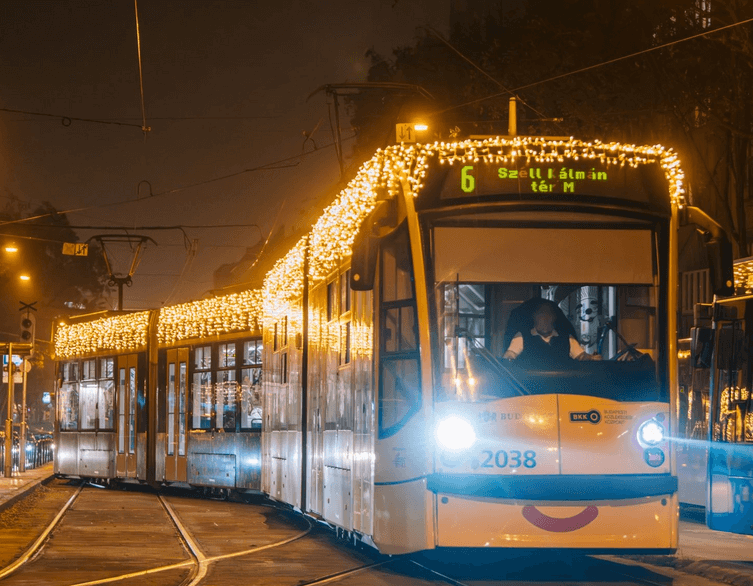
Budapest typically decorates some trams and buses with festive lights during December and early January. These “light trams” are regular public services on specific lines and dates, so you can ride them with standard tickets or passes and enjoy unique views of the city’s Christmas lights along the Danube.
Related news
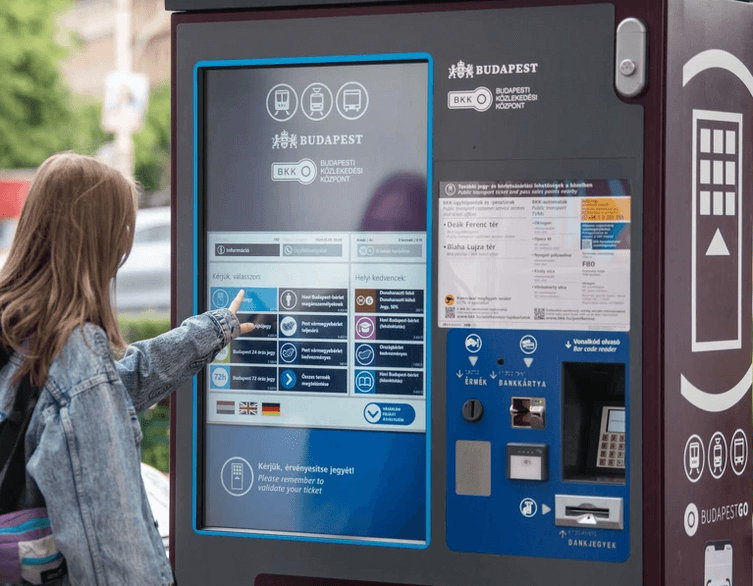
Budapest’s New Ticket Machines: What Tourists Need to Know in 2026
If you’ve been to Budapest before, you might remember those slightly clunky yellow ticket machines at metro stations, tram stops, and bus terminals....
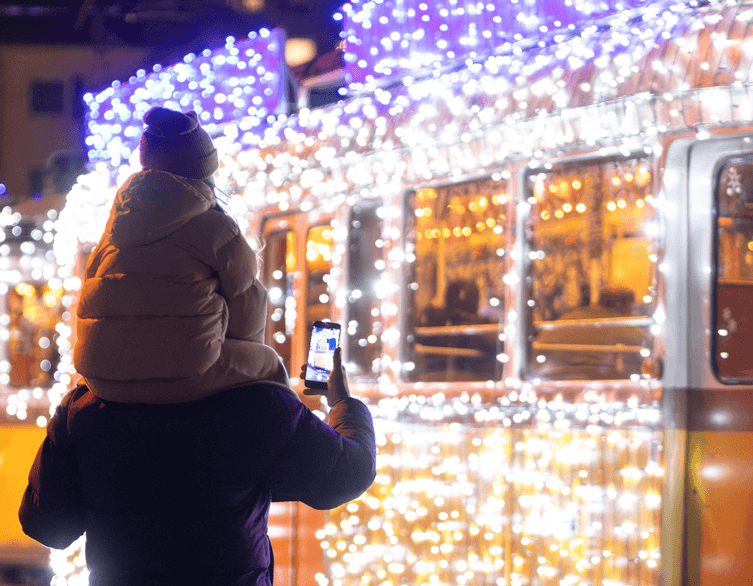
Budapest Keeps Moving at Christmas: A Quiet Thank You to the People Behind the City
While most of us were unwrapping presents, clinking glasses, or hurrying to meet loved ones on December 24, Budapest was quietly doing what it does...
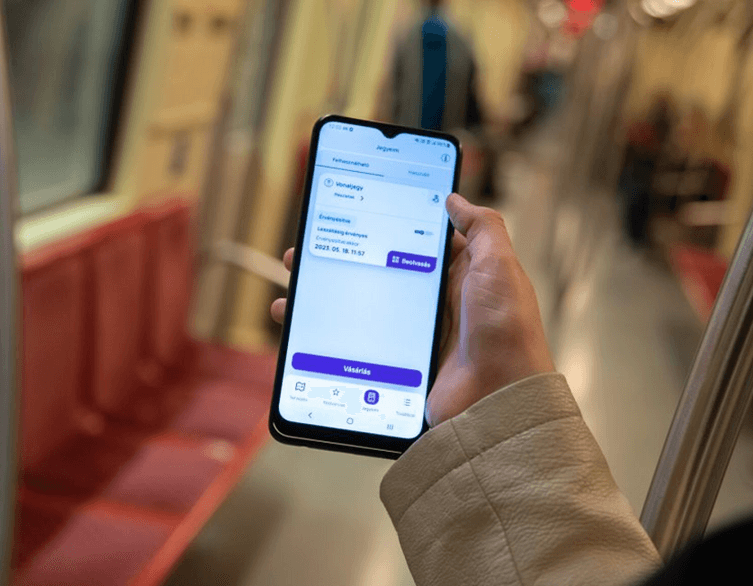
BudapestGO Gets Smarter: Easier Payments and Seamless Travel for Everyone
If you’re planning to visit Budapest soon, there’s good news for you: getting around the Hungarian capital has just become a lot easier. The BudapestGO app,...
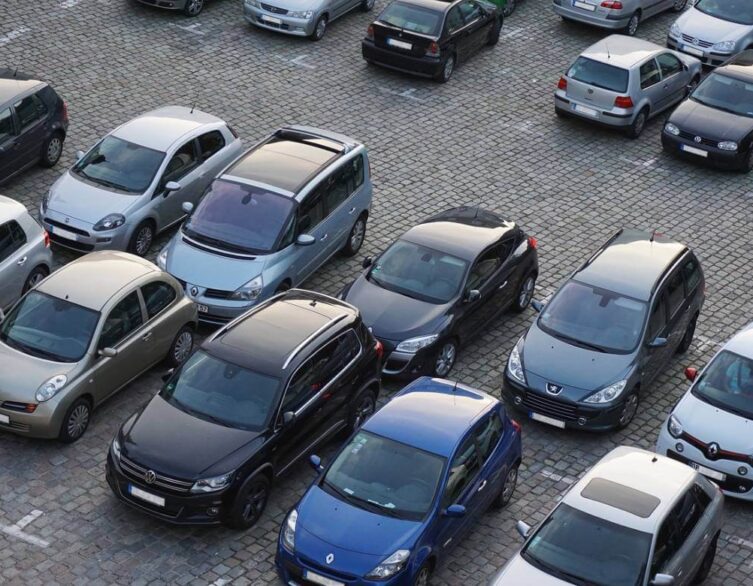
Budapest Parking Alert: No More Free Rides Between Christmas and New Year in 2025
Hey, savvy Budapest traveler, planning to drive around the city for those post-Christmas jaunts to markets or thermal baths? Buckle up for a change...

Your Ultimate Guide to New Year’s Eve 2025 in Budapest
Forget the crowds of Times Square or the cliché champagne toasts in Paris — in 2025, Budapest is the real capital of New Year’s Eve celebrations....
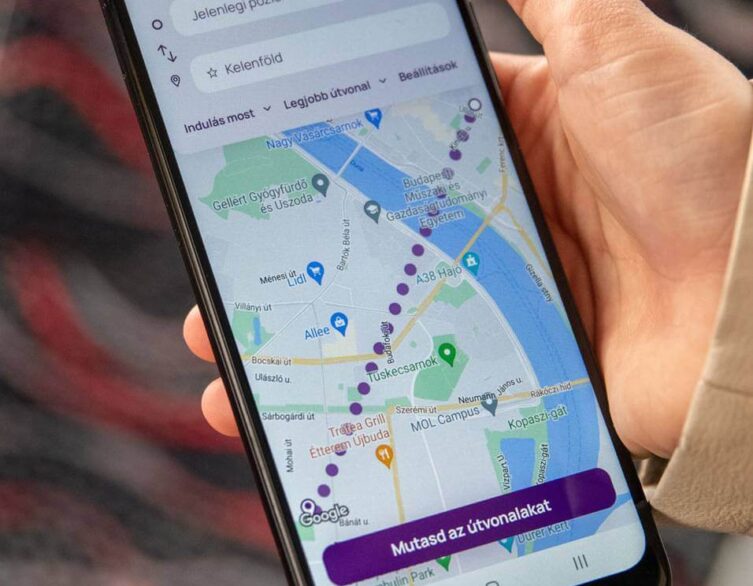
BudapestGO Travel App Update: Smart Route Planning, Visual Maps, and Budget Airport Transfer in Budapest
Getting around Budapest just became easier and more affordable thanks to a major update to BudapestGO, the city’s most popular public transportation...
BudapestGO’s Latest Update: Buy Tickets and Passes for Yourself and Others in Budapest
Budapest continues to modernize its public transport experience, making it more accessible and user-friendly for both locals and visitors. The BudapestGO...