Budapest Buzz: Tram System Gets New Electrical Infrastructure
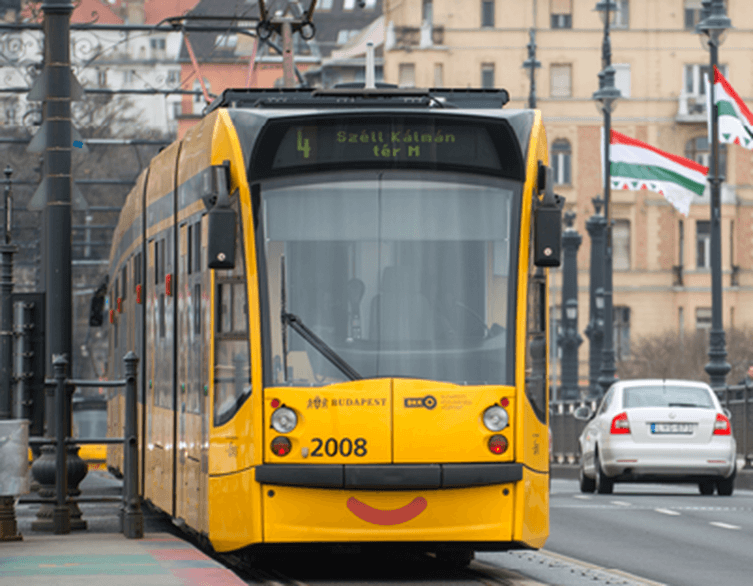
The Future of Budapest’s Tram Network
Budapest is on the brink of a transformative leap in public transportation, with ambitious plans to modernize the city’s tram network. Led by the Budapest Transport Center (BKK), this upgrade focuses on overhauling the electrical infrastructure to support the growing fleet of sleek, low-floor CAF trams. The goal is to expand their reach to more neighborhoods, enhancing accessibility and comfort for all passengers.
Why the Modern CAF Trams Need More Power
The iconic yellow-and-black CAF trams have quickly become a beloved part of Budapest’s streets. Their barrier-free design and air conditioning offer a major upgrade from the older, high-floor trams. However, these modern vehicles require significantly more energy to operate than their predecessors. The city’s current tram network, much of which dates back decades, was not built to supply such high power demands. As a result, voltage drops and power instabilities risk causing service disruptions if the infrastructure is not strengthened.
Preparing the City for a Tram-Powered Future
To tackle these challenges, BKK has launched a major planning initiative to design a future-proof power supply system. The project covers six critical tram lines and seven power conversion stations strategically selected for their importance and passenger volume. This careful planning will enable not only stable operation on existing routes but also the extension of low-floor tram service to residential districts that have had limited access until now.
Best deals of Budapest









EU Funding and Project Timeline
While the plans are in place, the implementation depends heavily on securing European Union funding. The current tender process is conditional, meaning the design and preparation stages are prioritized, but construction can only begin once financing is confirmed. If all goes smoothly, detailed designs could be ready by early 2028, setting the stage for a coordinated upgrade across the network. This holistic approach ensures the electrical system can handle the increased load reliably, avoiding fragmented updates that wouldn’t support the full fleet.
What This Means for Travelers and Residents
For daily commuters and tourists alike, these infrastructure improvements will bring noticeable benefits. Modern CAF trams are fully accessible, improving mobility options for seniors, families with strollers, and passengers with disabilities. Air conditioning will make traveling more comfortable during Budapest’s hot summers—a vital feature rather than a luxury. Currently active on several key routes, these trams will soon serve lines including the scenic Danube-side Line 2, the busy Line 14, and more, providing smoother, more comfortable rides throughout the city.
A Vision for a Greener, More Inclusive Budapest
Budapest’s tram modernization is about more than just new vehicles; it represents a vision for integrated, sustainable urban mobility. This upgrade promises a seamless, efficient, and eco-friendly transit experience that respects the city’s historic character while embracing the future. Visitors exploring Budapest in the coming years can expect not only stunning sights but also modern transport that makes getting around easier and more enjoyable than ever.
Related news
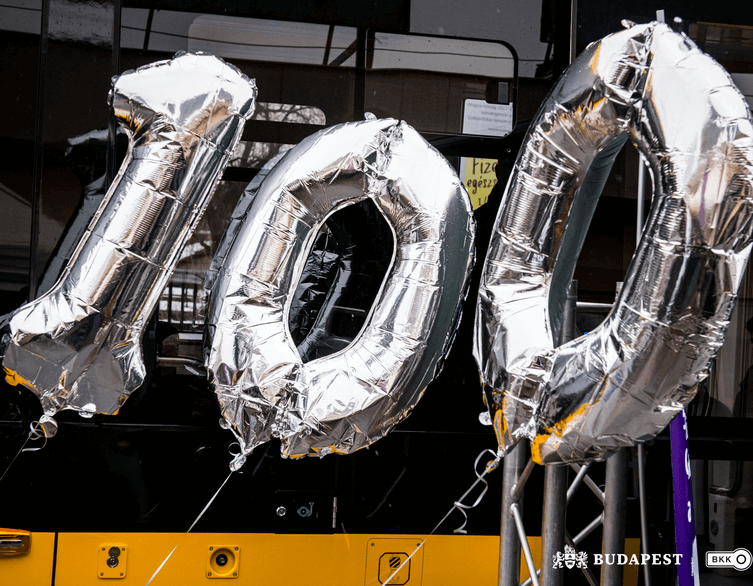
Riding the Future: Budapest Celebrates Its 100th Modern CAF Tram
It’s been twenty years since Budapest’s first low-floor trams quietly rolled onto the city’s tracks. What started as a modernisation effort...
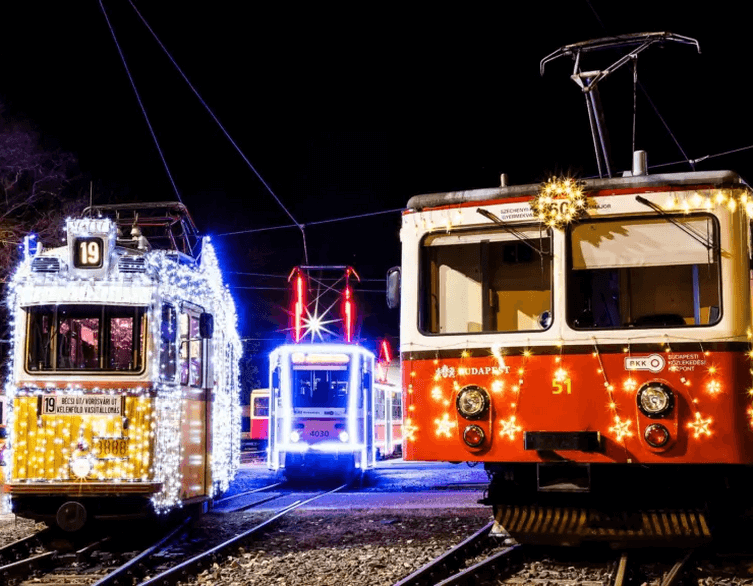
Winter Holiday Transportation Magic in Budapest – Trains, Trams & More!
When Budapest gets into holiday mode, even its public transport turns into a festive playground. Forget ordinary commutes—winter means Santa-themed...
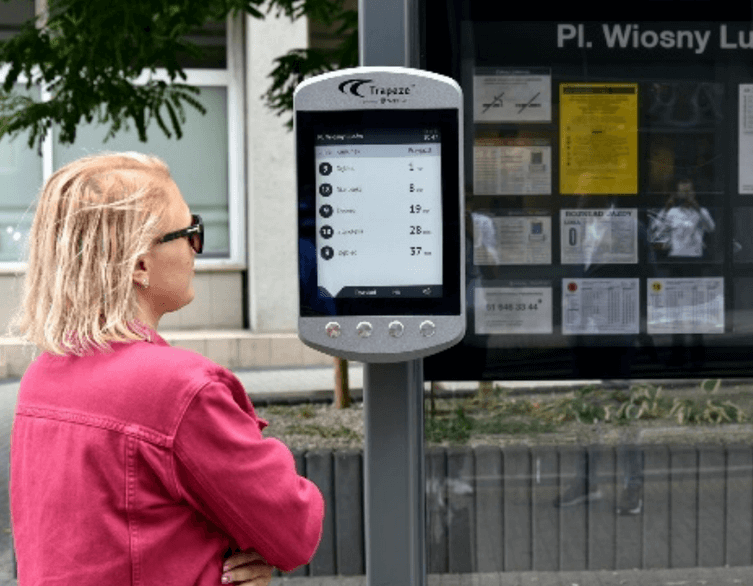
Budapest’s Public Transport Gets a Smart Upgrade: E-Paper Displays Coming to Bus and Tram Stops
Budapest’s public transportation system has long been the pride of Hungary, moving more passengers daily than any other city in the country....
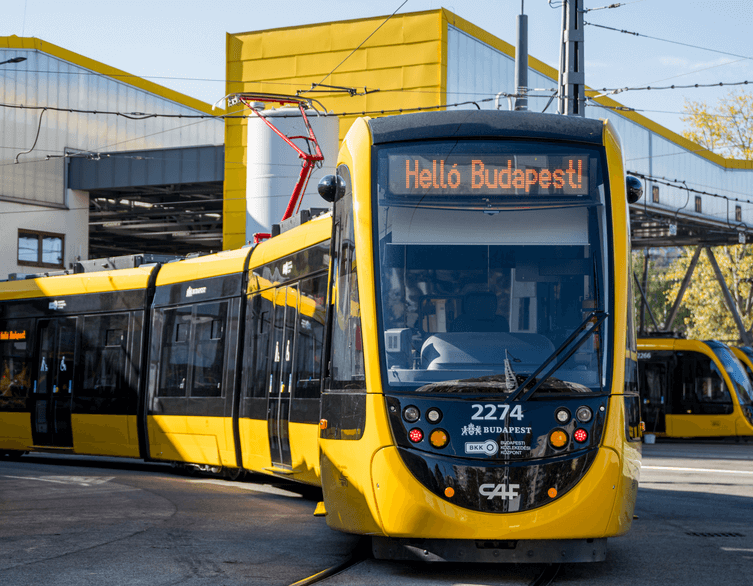
Budapest’s Public Transport Revolution: New Trams and Buses Transform the City
If you’ve been exploring Budapest on a sunny autumn day recently, you might have already experienced the city’s latest addition to its...
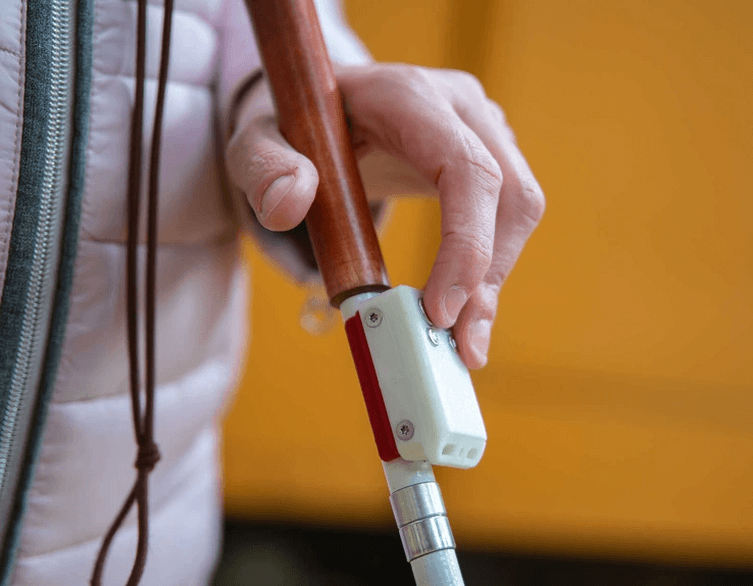
Budapest’s Public Transport Becomes More Accessible for Visually Impaired Travelers
When you explore Budapest’s streets and hop on its iconic trams, you’re experiencing a city that’s constantly evolving to become...