A New Kolodko Mini Statue Appears in Budapest: The Hanti Hunter by the Danube
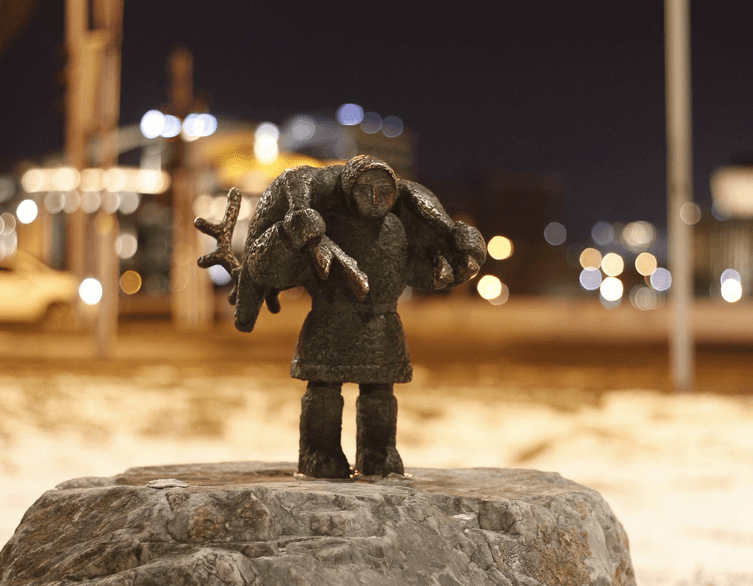
Budapest never runs out of surprises, especially for those who love discovering the city’s small but captivating details. Just after Christmas, another mysterious Kolodko mini statue has appeared along the Danube — this time on the Buda side, near the Rákóczi Bridge and Kopaszi Dam. The artist behind these tiny wonders, Mihály Kolodko, has once again given locals and visitors something new to search for: a hunter from the Hanti people, carrying a fallen deer across his shoulders.
Mihály Kolodko and His Magical Miniatures
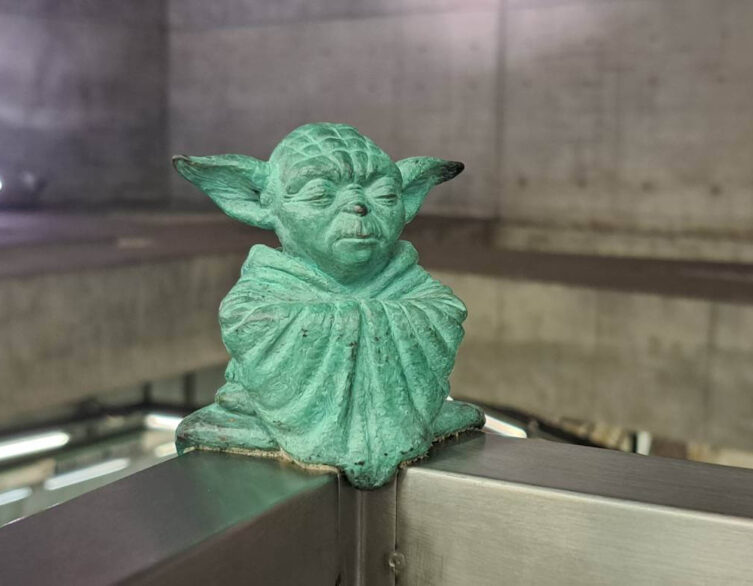
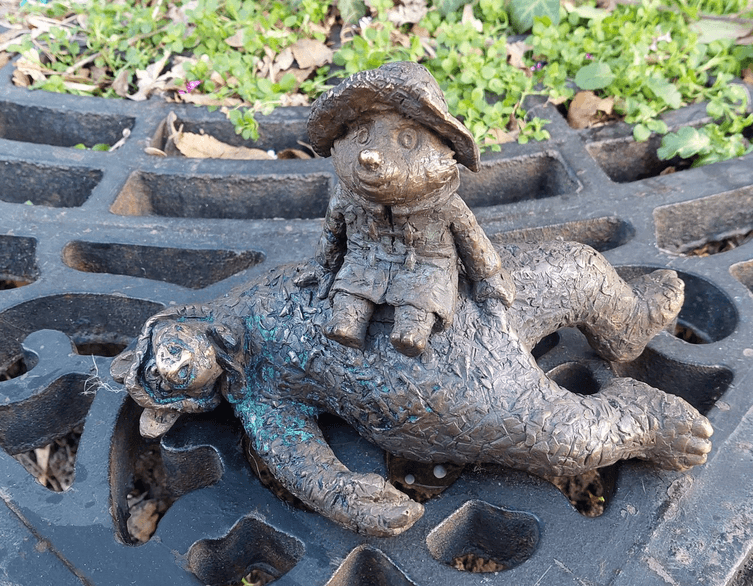
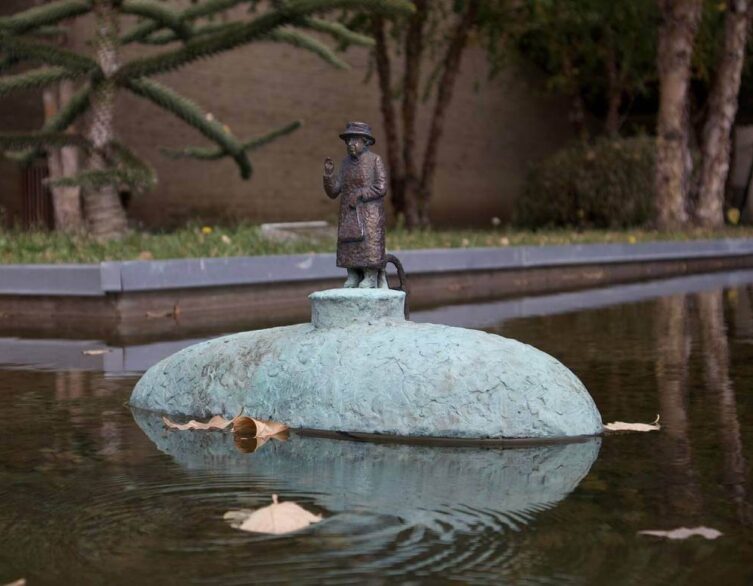
If you spend enough time walking through Budapest, chances are you’ve already stumbled upon Kolodko’s creations — or at least heard whispers of them. These miniature bronze sculptures are hidden in plain sight, blending art, history, and humor into the urban landscape. Each new Kolodko statue feels like a secret waiting to be discovered.
Over the years, the artist has dotted both sides of the Danube with charming characters: from fictional figures like “Dirty Fred, the Captain,” recently unveiled at Széchenyi István Square, to historical icons and whimsical animals. His works invite people to slow down, look closer, and reconnect with their surroundings — a refreshing contrast to the fast-paced rhythm of city life.
The Hanti Hunter and His Story
The new mini statue depicts a Hanti hunter, his carved figure frozen in motion as he carries a deer slung across his back. The bronze sculpture stands on a small stone at the Buda end of the Rákóczi Bridge, just a short walk from the scenic Kopaszi Dam. It’s the kind of spot that combines modern architecture, parkland, and riverside views — an ideal backdrop for one of Kolodko’s quiet storytellers.
Best deals of Budapest











The subject is not random. The Hanti people, also known as Ostyaks, are an indigenous group from Western Siberia, living mainly along the Ob River in Russia. They are distant linguistic and cultural relatives of Hungarians, belonging to the same Ugric branch of the Finno-Ugric peoples — a fascinating reminder of Hungary’s ancient roots. Traditionally, the Hanti lived as hunters, fishers, and gatherers, preserving elements of shamanistic spirituality even after adopting Orthodox Christianity. In their native language, “hanti” simply means “human.” Kolodko’s choice to honor this connection feels both artistic and symbolic, bringing Hungary’s faraway cousins closer through art.
Where to Find the Statue
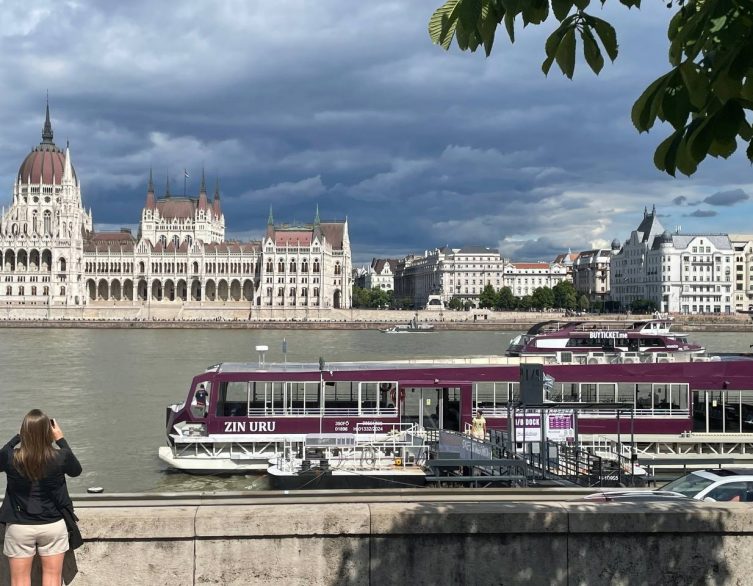
For those eager to see it with their own eyes, the statue rests quietly near the Rákóczi Bridge’s Buda side, facing the Danube and not far from Kopaszi-gát, one of Budapest’s most popular leisure spots. The area is perfect for a riverside stroll, a weekend coffee, or even a mini scavenger hunt if you’d like to explore other Kolodko statues scattered around the city.
Art That Makes Budapest Breathe
Kolodko’s work has become part of Budapest’s soul — both playful and poetic. Each sculpture tells a story that connects the old and new, the local and global. The Hanti hunter continues this dialogue, linking Budapest’s urban world to the deep forests of Siberia and to the ancient bonds that tie people across continents.
Whether you’re visiting Budapest for the first time or you’ve walked these streets a hundred times, finding Kolodko’s latest creation is like opening a new chapter in the city’s living book of art. So next time you cross the Rákóczi Bridge, pause for a moment on the Buda side — the hunter is there, waiting to be found.
Related news
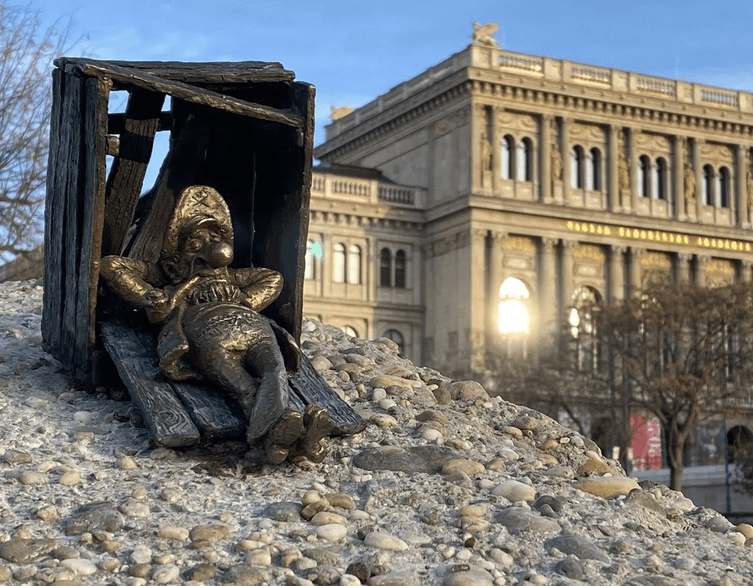
A New Little Legend on the Pest Bank: Piszkos Fred Joins Budapest’s Hidden Sculpture Trail
If you’ve been strolling along the Danube promenade near the Chain Bridge lately, you might have spotted a familiar face in an unexpected place....

Franz Liszt Takes Flight: Budapest Airport’s Musical Tribute to a Legend
Your journey through Budapest begins the moment you step into Ferenc Liszt International Airport, and not just because you’re arriving in Hungary’s...
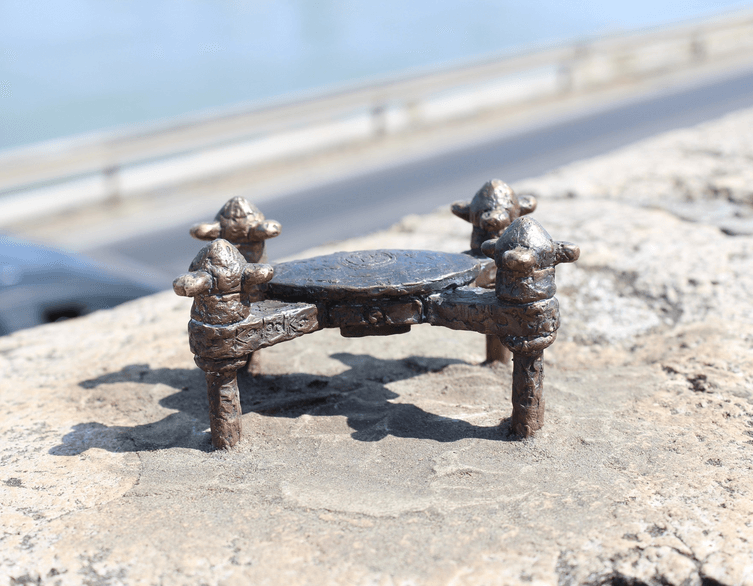
A Mysterious Drone Sculpture Emerged on the Bem Embankment in Budapest
Budapest’s streets have always been full of surprises, but discovering a mysterious new miniature sculpture on the Bem Embankment adds an extra...
Budapest’s Hidden Gems: Kolodko’s Miniature Masterpieces
Budapest, the enchanting capital of Hungary, is home to a unique form of street art that has been captivating locals and tourists alike. Mihály...
Kolodko’s Christmas Gift: A New Mini-Sculpture
Mihály Kolodko, the renowned guerrilla artist, has once again surprised Budapest’s residents with his new miniature sculptures. His latest...
The Mysterious Kolodko Mini-Statue: Queen Elizabeth II on a Submarine in Budapest
Have you heard about the latest addition to the quirky collection of Kolodko mini-statues in Budapest? Well, get ready for a delightful surprise!...
Related attractions