A New Era for Tourism in Budapest: Collaboration, Innovation, and a Sustainable Future
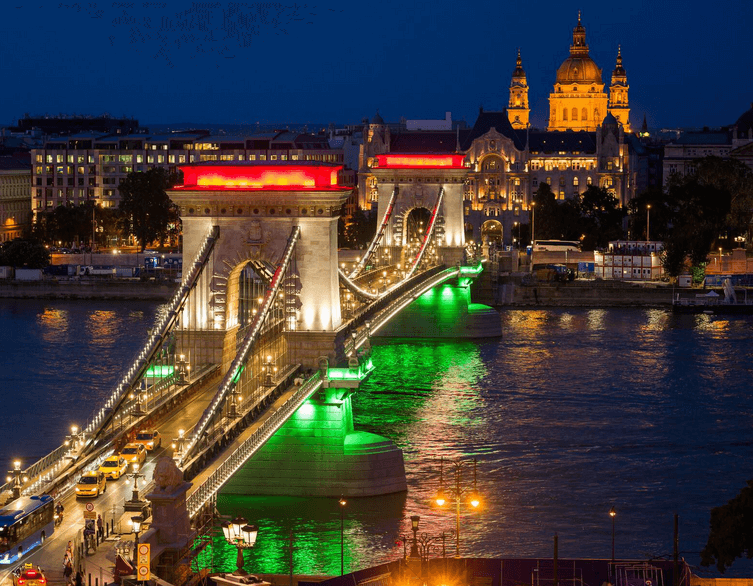
When you stroll along the Danube embankment or admire the domes of St. Stephen’s Basilica, it’s easy to see why Budapest captures the hearts of millions every year. But behind the scenes, something even more exciting is happening. The Hungarian capital is entering a brand-new era of tourism management—one that brings together the city’s government, local businesses, cultural institutions, and residents to create a smarter, more sustainable visitor experience.
Rethinking How Budapest Welcomes the World
At the Museum of Fine Arts in early December, city leaders and key figures from the tourism and business sectors announced the complete renewal of the Metropolitan Tourism Roundtable. This move marks a turning point in how Budapest will shape its tourism strategy in the years to come. Mayor Gergely Karácsony emphasized that while the city carries much of the operational responsibility for tourism, the benefits are often unevenly distributed. He called for a new model that balances responsibility, collaboration, and funding—one that ensures everyone invested in Budapest’s future can benefit.
Karácsony stressed that tourism isn’t a political issue but a strategic one, vital to Budapest’s long-term livability, economic strength, and international competitiveness. He pointed out that closer cooperation with the national government is essential, particularly in developing the city’s riverfronts, waterways, and public spaces.
The Numbers Behind the Vision
For travelers, these structural changes might sound like insider politics—but they directly influence the experience of visiting Budapest. Elek Nagy, president of the Hungarian and Budapest Chamber of Commerce and Industry, highlighted that tourism in the capital generates more than 1,000 billion forints in annual economic performance, employing around 85,000 people. That means when you stay in a local boutique hotel, attend a concert, or sip a coffee on a sunlit terrace, you’re part of a thriving urban economy that represents 37% of Hungary’s GDP.
Nagy also celebrated the ten-year extension of the Sziget Festival’s partnership with the city—a cultural symbol known globally as one of Europe’s top music festivals. Combined with major sporting events like the upcoming Champions League final, these initiatives solidify Budapest’s status as a vibrant, creative, and internationally visible destination.
Giving Entrepreneurs and Locals a Voice
Small and medium-sized enterprises (SMEs) are at the heart of Budapest’s tourism ecosystem—from family-run restaurants in Buda to craft shops in the Jewish Quarter. Angéla Szatmáry-Jahl, head of the BKIK’s commercial division, underlined that without the voice of small businesses, there can be no living, dynamic tourism system. The new model aims to give these local entrepreneurs genuine influence in shaping how the city develops its tourism infrastructure and branding.
This renewed approach introduces transparent, data-driven structures and a more predictable operational framework, paving the way for a unified “Budapest brand” built on coordinated development and shared goals. For visitors, this translates into a more connected and authentic urban experience.
Best deals of Budapest





From Hierarchies to Networks: A 21st-Century Approach
Gergely Baráth, tourism advisor to the Mayor’s Office, summed up the philosophy behind the new direction: Budapest must evolve from outdated, fragmented systems toward collaborative networks. The city’s future depends not on isolated sectors but on an interconnected ecosystem where public and private players, residents, and visitors all have a role.
He announced plans to establish a Budapest Visitor Economy Council, a forward-looking platform that will involve decision-makers across government, business, and civil society. Supporting this Council, cooperative working groups will focus on key areas such as data analysis, sustainability, branding, mobility, workforce development, and innovation. In short, every aspect of what makes a city functional and lovable.
Baráth perhaps said it best: “We live in an age of networks, not hierarchies.” In Budapest’s new tourism model, collaboration is the key ingredient. Or, as he playfully put it, “now 1+1=3”—because teamwork doesn’t just add value, it multiplies it.
Looking Beyond: What This Means for Visitors
So what does all this mean if you’re planning a trip to Budapest? You can expect a city increasingly focused on creating meaningful connections—between tourists and locals, between heritage and innovation, and between sustainability and comfort. Future projects will likely emphasize cleaner transport, smarter city navigation, and a tourism identity that reflects Budapest’s dual soul: historic and hip, classical and creative.
The renewal of Budapest’s tourism management also follows the closure of Budapest Brand, the former company responsible for tourism and city marketing. This shift has paved the way for a more flexible, community-driven system that aligns better with modern tourism trends and global expectations.
What emerges is a capital that doesn’t just attract visitors—it inspires return trips. A place where cultural authenticity, resident well-being, and visitor satisfaction are no longer separate goals but parts of the same urban vision.
Budapest’s Future Is in Partnership
Budapest is not merely refreshing its image; it’s redesigning how an entire city relates to tourism. By bridging government, business, and local communities, the city aims to ensure that every visitor’s experience contributes to a more resilient and livable urban environment. It’s an ambitious plan—one befitting a city as bold, beautiful, and dynamic as Budapest.
As the Danube continues to flow through the heart of the city, so too does a renewed spirit of cooperation and creativity. The story of Budapest’s tourism is far from over—it’s just beginning a new, more connected chapter.
Related news
Budapest: Europe’s Safe Haven and the Heart of Winter Magic
A city where peace meets festivity In a world where travelers crave both adventure and reassurance, Budapest has risen as a beacon of safety and...
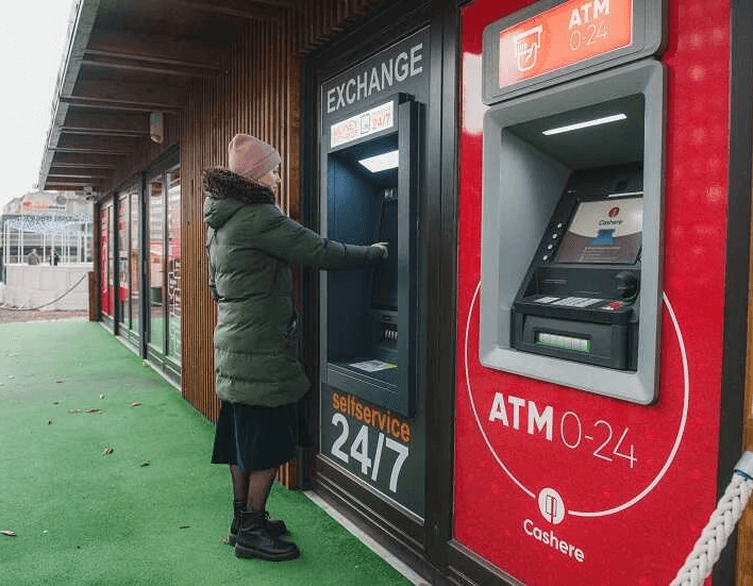
Currency Exchange Now Available at Budapest Card Center in the Heart of the City
Planning a trip to Budapest and worried about exchanging your travel money? There’s exciting news for visitors to Hungary’s vibrant capital....
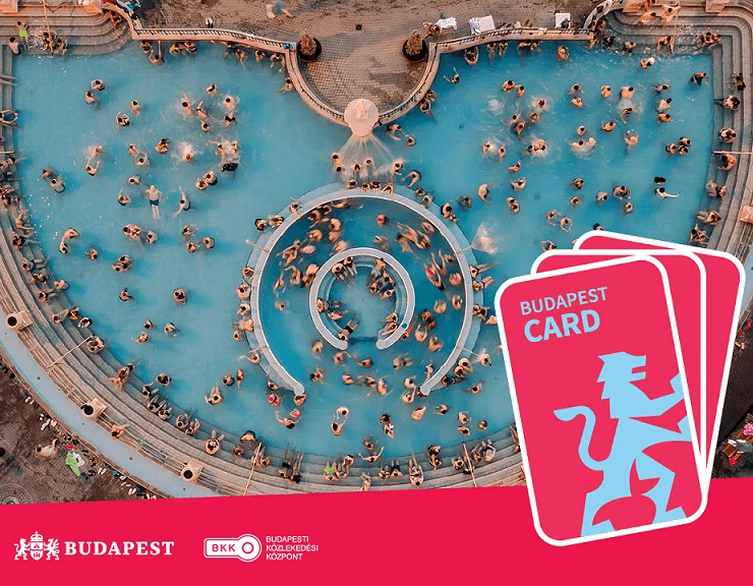
Your Gateway to Budapest: The Budapest Card is Now Even Easier to Get
Exploring the enchanting streets of Budapest has just become significantly more convenient for international visitors. As of September 16th, 2025,...