Winter Alert: The Danube’s Rare Ice Flow and Treacherous Conditions in Budapest
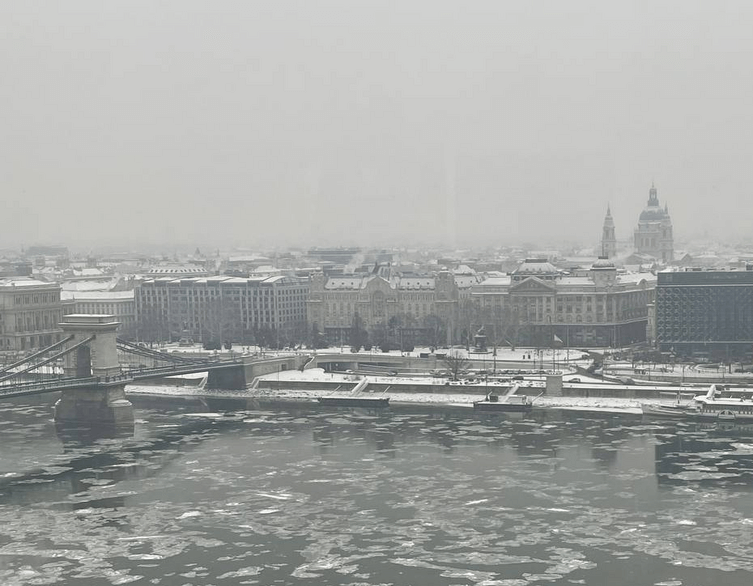
Budapest has been transformed into a breathtaking but hazardous winter landscape this January. The most striking development for visitors is the significant ice flow—known as jégzajlás—currently moving down the Danube. While the sight of massive ice sheets drifting past the Parliament building is a photographer’s dream, it has prompted authorities to issue an immediate navigation ban. For safety reasons, small boats, sports equipment, and private craft are currently prohibited from the water between Szap and Mohács, as these drifting floes can easily crush smaller vessels or trap them against bridge pylons.
The Hidden Dangers of the Drifting Ice
The ice flowing down the river is more than just a visual spectacle; it represents a serious hydrological risk. These ice sheets can accumulate and “stack up” at narrower sections of the river or around the supports of Budapest’s historic bridges. When this happens, they form what experts call an ice jam or ice plug. These jams act like temporary dams, causing water levels to rise rapidly upstream and potentially leading to localized flooding. Furthermore, the sheer kinetic energy of tons of moving ice can damage riverbanks and docked infrastructure, which is why the river has fallen under a strict regulatory lockdown.
Best deals of Budapest











Black Ice and the Battle on the Streets
Away from the riverbanks, the city’s transit network is facing an equally daunting challenge. The combination of early morning snowfall and subsequent freezing rain has created a phenomenon called black ice. This transparent layer of ice is nearly impossible to see on the pavement, making every step a potential hazard for pedestrians. Budapest Public Works has deployed its entire fleet, with vehicles covering over 155,000 kilometers in just the last week to spread de-icing materials. However, travelers should be aware that while main roads and hospital routes are prioritized, side streets in the Buda Hills and smaller alleys in the Jewish Quarter remain incredibly slippery.
Staying Safe Amidst Icy Precipitation
The current weather cycle—alternating between extreme cold and sudden freezing precipitation—is particularly dangerous. Freezing rain falls as a liquid but freezes instantly upon contact with any cold surface, including power lines, tree branches, and sidewalks. This “glaze ice” adds significant weight to structures, leading to the risk of falling branches in parks like Margaret Island or the City Park. If you are exploring the city on foot, it is essential to wear shoes with heavy rubber treads and to avoid walking directly under large, snow-laden trees or old building eaves where icicles may form.
Navigating the City During the Red Code
The Hungarian government has maintained the “red code” status to ensure that emergency services and social workers can protect the most vulnerable during this deep freeze. For tourists, this means that while the city remains open, you should expect delays in public transportation, particularly with trams. Ice can interfere with the mechanical switches on the tracks, requiring manual clearing by crews who are working round-the-clock. If you find your travel plans slowed down, take it as an opportunity to duck into one of Budapest’s famous thermal baths or a cozy “ruin bar” to warm up until the salting crews have finished their rounds on the local streets.
Related news
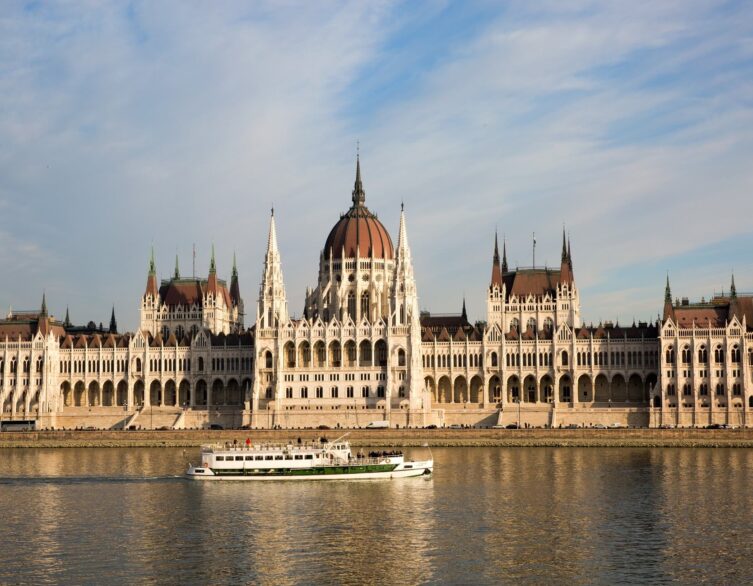
Budapest Danube Boat Rides: Back on the Water from January 30, 2026
If you’re visiting Budapest and want a relaxed way to see the city from the river, BKV’s Danube boats are restarting service today, January...
When Budapest Freezes Over: How the City Stays Toasty in Arctic Januarys
If you’ve been strolling along the Danube lately, wondering if your eyelashes might actually freeze in place, you’re not imagining things. Budapest’s...
Budapest Freezes Under the Grip of a Siberian Winter
If you’ve arrived in Budapest this week, you may have noticed the city wrapped in deep frost, with misty mornings and fairy-tale landscapes. January...
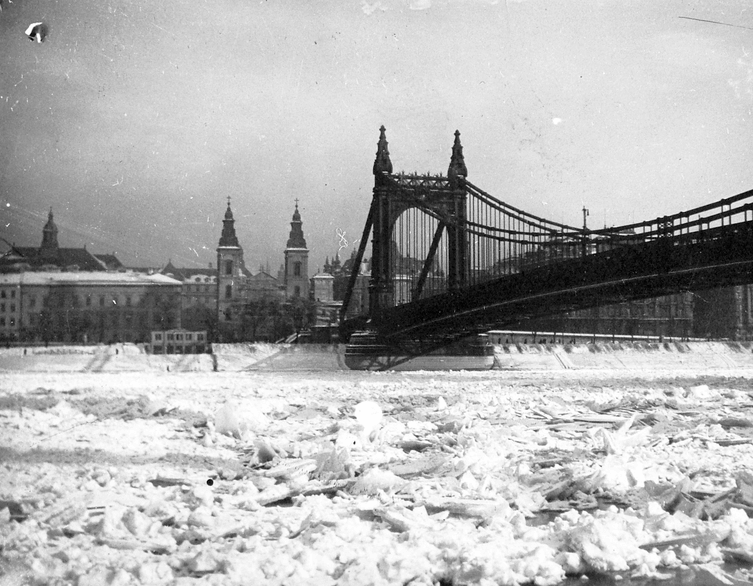
Of Kings and Ice: The Enchanting History of Budapest’s Frozen Danube
Budapest is currently gripped by a rare Arctic freeze, transforming the Danube into a moving mosaic of ice floes. For today’s travelers, it is...
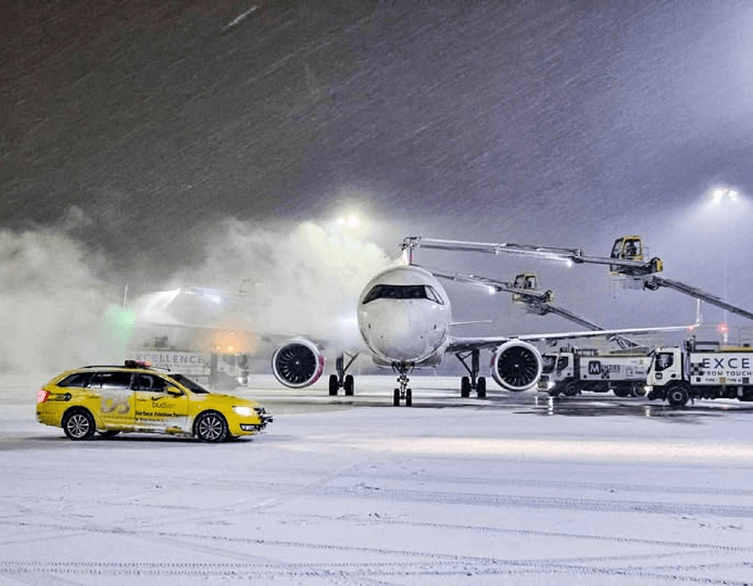
Update – Breaking News! Winter Weather Halts Flights at Budapest Airport
If you’re traveling to or from Budapest this week, you may have already noticed some disruptions at Ferenc Liszt International Airport. Due...

Hidden Havens for Cold Days: Why Budapest’s Book-Cafés Are Winter’s Unexpected Winners
When the mercury dips below zero and the icy Danube winds sweep through Budapest’s historic streets, locals and travelers alike start searching...
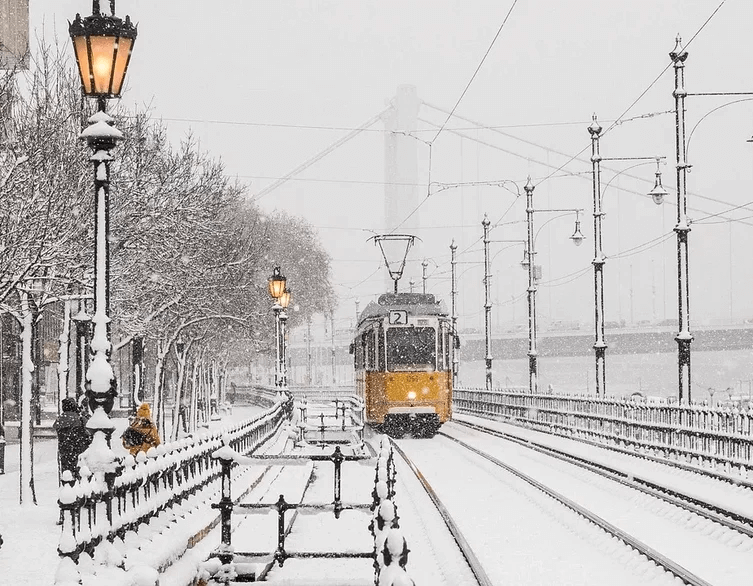
Budapest: Heavy Snow, Bitter Cold Ahead – Prepare Thoroughly Now
Hungary faces one of its most significant snowfalls in years starting January 5, driven by an unpredictable Mediterranean cyclone bringing waves...