When the Heat Hits the City: How Budapest Faces Europe’s Record-Breaking Temperatures
Europe has always been a land of variety when it comes to weather, but the summer of 2025 took things to a whole new level. Across the continent, the heat refused to back down, and meteorologists in the United Kingdom recorded their highest national average temperature in 182 years. The effects reached far beyond Britain’s beaches — they were felt right in the heart of Central Europe, where Budapest sweltered through one of the hottest, sunniest, and most challenging years in living memory.
A Europe-Wide Heat Record and Budapest’s Urban Reality
While data from the British Met Office made headlines with an average temperature of 10.09°C, many in Budapest didn’t need to read the numbers to grasp their meaning. The Hungarian capital has experienced what scientists call an “urban heat island effect” for years, but 2025 made it unavoidable. Thick stone buildings and miles of concrete streets stored up the day’s warmth, releasing it slowly at night. These so-called “tropical nights” — evenings when temperatures stay above 20°C — are becoming distressingly common.
The city’s meteorological records, which stretch back to the late nineteenth century, show a clear shift. Nearly all the hottest years ever logged have occurred in the past two decades, making extreme summer heat no longer an occasional event but a new normal. What used to happen once in a generation now returns every few years, reshaping the rhythm of urban life and travel.
Sunshine and Drought: Two Sides of a Changing Climate
If there was a silver lining to the scorching year, it came in the form of record-breaking sunlight. In 2025, Budapest basked in 1,648.5 hours of sunshine, surpassing the previous record set in 2003 by more than 60 hours. On paper, that sounds like a dream for travelers hoping to explore the city’s famous thermal baths, stroll along the Danube, or enjoy open-air festivals. Yet behind the golden glow lies a troubling pattern of long dry spells and stressed ecosystems.
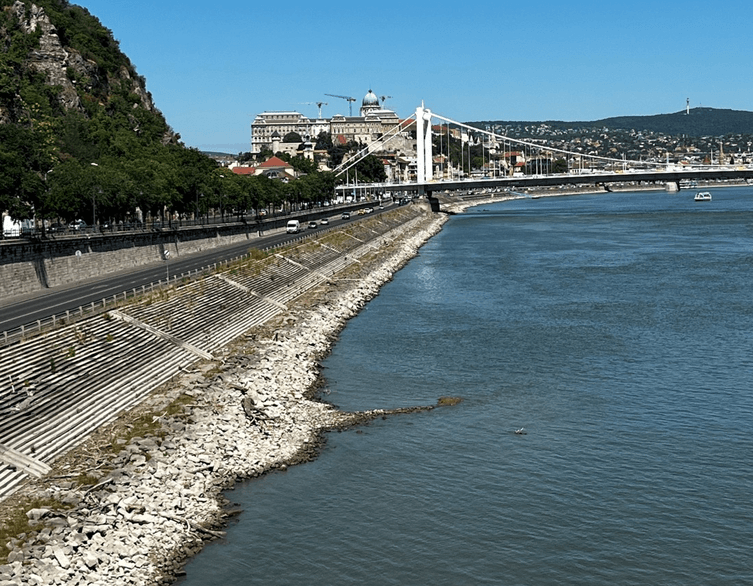
City parks struggled to stay green, and by mid-summer, even the leafy slopes of the Buda Hills showed signs of drought. Lawns turned brown long before autumn, and local environmental groups called for action to preserve the city’s fragile greenery. Experts point out that more sunshine often means less rainfall, and as heat persists across consecutive seasons, the cycle feeds itself — hotter, drier, and tougher for both people and nature.
Best deals of Budapest











Budapest in the Heat: Living with the New Normal
The real challenge now isn’t just breaking records; it’s adapting to them. In Budapest, city planners and residents alike are rethinking how to keep cool and protect resources. Air-conditioned public transport, redesigned pavements made from heat-reflective materials, and expanded green corridors are all part of the discussion. Simple things like increasing tree coverage or introducing water-misting stations in busy squares can make a noticeable difference.
The local authorities have already made steps toward climate-conscious urban design, recognizing that infrastructure and tourism both depend on comfortable public spaces. Water use awareness campaigns have also become more visible, as the number of sunny days continues to climb and evaporation rates rise with it.
Lessons from a Record-Breaking Year
The year 2025 will likely go down in history not just for its record highs, but for what it revealed about living — and traveling — in a warming world. Cities like Budapest can no longer rely on old weather patterns. The once-mythic summer of 1976, which used to be the benchmark for Hungarian heat, now looks mild in comparison. And according to climate specialists like Mark McCarthy of the UK’s Met Office, these aren’t isolated incidents but part of a global trend driven by human activity.
For visitors, this evolving climate brings both challenges and opportunities. Summers remain stunningly bright, with long daylight hours perfect for sightseeing and photography, but they now require planning: staying hydrated, scheduling walks early in the morning or late in the evening, and utilizing the city’s many shady spots and cooling fountains.
A City Adapting to Tomorrow
Budapest’s climate story mirrors that of many great European cities — rich in history yet confronting a rapidly changing environment. From renewable energy initiatives to the restoration of urban green zones, Hungary’s capital is taking slow but determined steps toward sustainability. For travelers, this transformation is fascinating to witness firsthand. From eco-friendly hotels to riverside parks rebuilt to withstand drought, the city’s response to heat waves speaks to its resilience and forward-thinking spirit.
The extreme heat of 2025 wasn’t just a test of endurance; it was a preview of the future. As Budapest prepares for even warmer years ahead, one thing remains constant: its ability to turn every challenge into part of its character. Whether you visit in the radiant sunshine of summer or the golden calm of autumn, you’ll discover a city that glows even brighter — not despite the heat, but because it continues to adapt, endure, and evolve.
Related news

Budapest’s Summer Heatwave: How to Stay Cool and Enjoy the City
If you’re planning a trip to Budapest this June, get ready for a true taste of Hungarian summer. After a brief cool-down last weekend, the city...
Climate Strategy to Combat Increasing Heat Waves in Budapest
Budapest, the capital city of Hungary, is facing a growing challenge from the impacts of climate change. The city’s dense urban fabric, geographical...

Keep Your Dog Safe and Cool During the Heatwave
As a tourist visiting Budapest with your furry companion, it’s essential to be aware of the challenges that the summer heatwave can pose to...