The Sweet Story of Hungarian Honey
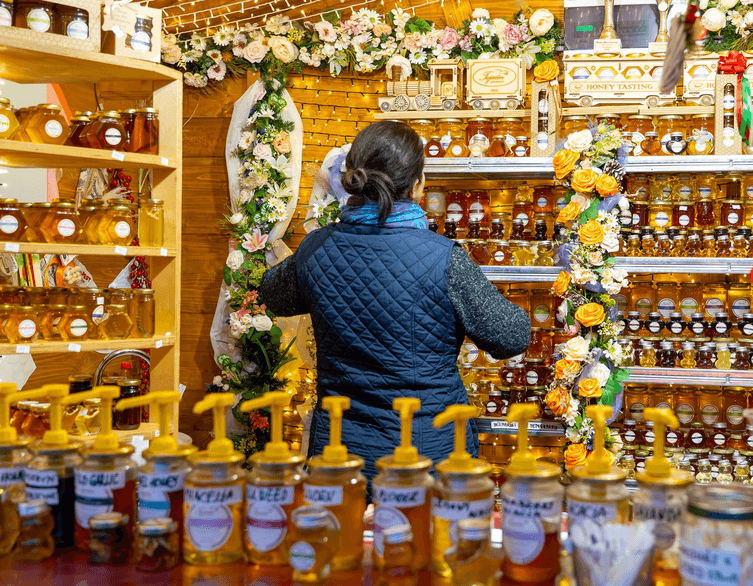
Hungary’s love affair with honey stretches back centuries, rooted in deep traditions of craftsmanship and respect for nature. With its rolling meadows and rich blossoms, this Central European country offers ideal conditions for bees to produce some of the purest honey in Europe. Today, Hungarian honey is celebrated across the continent, prized not only for its unique flavors but also for the artistry that goes into each jar.
Ancient Roots and Medieval Glory
Beekeeping is among the most ancient occupations of the old Hungarians, dating back to when the Magyars settled in the Carpathian Basin in the late 9th century. The very words for bee (méh), honey (méz), and hive (odú) have Finno-Ugric origins, revealing just how deeply this craft is woven into Hungarian culture. By the 11th century, entire villages and families were already providing honey to their lords, and monasteries played a crucial role in advancing beekeeping techniques during the Middle Ages, refining methods of hive construction and honey extraction.
Best deals of Budapest









A European Powerhouse of Honey Production
Modern Hungary stands as one of the European Union’s largest producers of natural honey, with an impressive annual output of 25,000 to 30,000 tonnes. This represents roughly 10% of the entire EU’s honey production, sustained by approximately 15,000 dedicated beekeepers managing around one million bee colonies. What makes these numbers even more remarkable is that Hungary exports about 80% of its production to eager markets across Western Europe, particularly Germany, France, Italy, and Great Britain.
The domestic consumption tells its own story — while Hungarians consume only about 600 grams of honey per person annually, this figure continues to rise as awareness of honey’s health benefits grows. The country’s bee colony density ranks second in Europe, and it’s seven times higher than the global average, creating a buzzing landscape unlike anywhere else in the world.
The Crown Jewel: Acacia Honey
Hungarian acacia honey has achieved legendary status among honey connoisseurs worldwide, and for good reason. Hungary owns two-thirds of all acacia forests in Europe, producing an astounding 10,000 to 13,000 tonnes of acacia honey each year — roughly half of the country’s entire honey production. The acacia trees that thrive in the unique climate of the Carpathian Basin create vast, pure forests found nowhere else on the continent.
This honey’s distinctive characteristics set it apart from all others. Its light, almost colorless to slightly yellow appearance gives way to a soft, delicate sweetness with subtle acacia flower notes. Thanks to its exceptionally high fructose content, acacia honey remains liquid for years without crystallizing, making it a favorite for both cooking and direct consumption. Its mild, non-acidic flavor profile makes it particularly welcoming for those new to honey tasting, while connoisseurs appreciate its pure, refined character.
Beyond Acacia: Hungary’s Honey Diversity
While acacia honey reigns supreme, Hungary produces several other remarkable varieties that deserve attention. Sunflower honey, golden and robust, captures the essence of the Great Hungarian Plain where endless fields stretch toward the horizon. Silkweed honey offers something entirely different — a strong, spicy perfume and flavor that appeals to adventurous palates seeking intensity.
Linden honey brings floral complexity, while chestnut honey provides deeper, earthier notes. Rape honey from oilseed crops and multifloral honeys blended from various wildflowers round out the collection, each telling the story of Hungary’s diverse botanical landscape. The nectar from early-blooming fruit trees also contributes to the honey production, particularly important during the brood-rearing season for bee colonies.
Where to Taste Hungarian Honey in Budapest
For visitors exploring Budapest during the festive season, there’s a hidden gem waiting among the sparkling lights of the City Hall Park Christmas Market. One of the coziest and most enchanting stalls there is entirely dedicated to Hungarian honey and its many tempting creations. The air around it is sweet with the fragrance of beeswax candles, honey liqueurs, and jars of golden nectar stacked with rustic charm.
Here, travelers can sample acacia, lavender, and wildflower honeys, each with its own rich character. Local producers are always happy to chat about their craft, explaining how the bees roam during blooming seasons and how the honey is extracted with traditional care. The stall also showcases honey-infused treats — from dreamily soft honey cakes to herbal teas sweetened naturally by nature’s own sugar. The market is open until January 10th, 2026!
The Craft Behind Every Jar
Hungarian beekeepers maintain traditions passed down through generations while embracing sustainable modern practices. The country’s approximately 15,000 beekeepers range from hobbyists tending a few hives to professional operations managing hundreds of colonies. Many small family farms have perfected their methods over decades, ensuring that every spoonful of honey reflects the careful attention and expertise that defines Hungarian beekeeping.
The production process itself demonstrates this dedication to quality. For acacia honey specifically, beekeepers know that trees aged 11 to 20 years produce the best nectar, and they time their harvest precisely during the brief but abundant blooming period. One kilogram of acacia nectar yields approximately half a kilogram of finished honey, concentrated through the bees’ remarkable natural alchemy.
The Perfect Souvenir from Budapest
Among all the souvenirs one can bring home from Hungary, a jar of honey carries something truly special: a taste of the landscape itself. It’s a reminder of warm hospitality and the natural gifts of the land. Whether tucked into a suitcase for loved ones or savored on a cold morning back home, Hungarian honey connects travelers to their Budapest experience long after the trip ends. Given that Hungary holds official recognition for its acacia honey as a Hungarikum — a designation for unique Hungarian cultural and natural treasures — you’re literally taking home a piece of certified national heritage.
Discover the Golden Essence of Hungary
Visiting the City Hall Park Christmas Market is a journey for all the senses, and the honey stall is its golden heart. It captures everything wonderful about Hungarian craftsmanship — authenticity, warmth, and love for local produce. The vendors themselves often come from beekeeping families, bringing not just their products but generations of knowledge and passion to share with curious visitors. So next time you stroll through the festive lights, follow the scent of sweetness and let Hungarian honey be the most delightful part of your Budapest adventure.
Follow Budappest.com on Facebook
Related news
Related events