The Journey of Christmas Trees in Budapest: What Happens After the Holidays
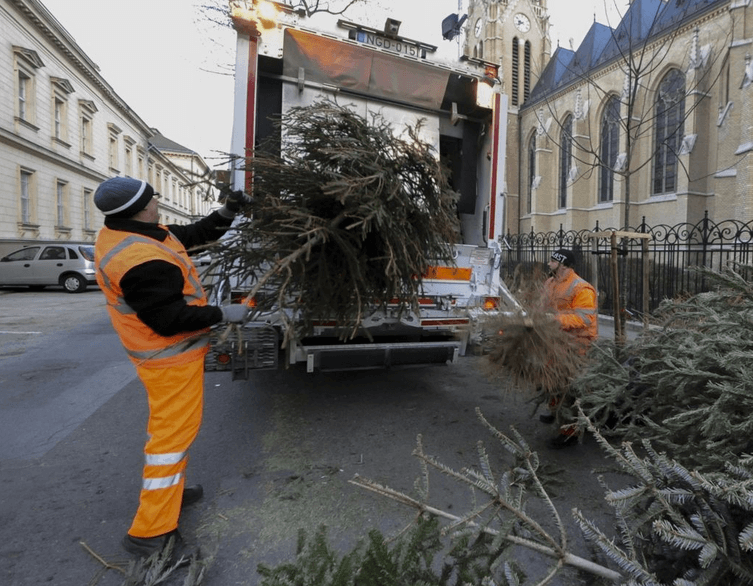
Christmas lights are slowly dimmed, decorations are packed away, and Budapest readies itself for a quieter winter rhythm. But if you stroll through the city’s streets in early January, you’ll notice something curious near the bins and sidewalks — a parade of once-beloved Christmas trees waiting for their final journey. It’s not neglect; it’s organization in motion.
Every year, starting right after Epiphany (January 6), local waste management company MOHU launches one of the city’s largest seasonal operations — the collection and recycling of approximately 500,000 to 600,000 discarded trees. What might look like a simple cleanup effort is, in fact, a well-coordinated environmental endeavor turning Budapest’s festive remains into energy for thousands of homes.
From Living Room to Recycling Plant
Budapest residents have several ways to part with their Christmas trees. They can place them next to their regular waste bins or drop them off at one of the designated collection points across the city. However, locals are asked to leave enough space for pedestrians and parked cars — a detail that helps keep Budapest’s charming neighborhoods orderly even amidst the post-festive rush.
Once the trees are out on the curb, special pine collection trucks, or fenyőfa járatok as they’re known, take over. These vehicles roam the districts, gathering trees in bulk. The smaller varieties can be shredded immediately by waste collection vehicles, while oversized ones require different transport arrangements. Either way, every tree is destined for the same eco-friendly finale — a transformation from festive decoration to a renewable energy source.
Best deals of Budapest












The Hidden Power of Pine
Few visitors realize that Budapest’s Christmas trees don’t end up in landfills. Instead, they’re taken to the Budapest Waste Utilization Plant, where they are shredded and burned to generate heat and electricity. Thanks to pine’s rich resin content, it makes for an excellent fuel source. Each year, tens of thousands of apartments across the city are warmed partly by the heat produced from these recycled evergreens.
It’s a circular story — from nature to home and back into the local ecosystem. The faint scent of pine that once filled Budapest’s living rooms literally helps keep the city warm through the coldest winter days.
A Sustainable Tradition Worth Noticing
For tourists visiting Budapest in January, it’s fascinating to see how the city blends environmental care with tradition. Locals don’t just toss out their trees — they contribute, consciously or not, to a large-scale sustainability project that benefits the whole community. The operation is not just about cleaning the streets; it’s about making use of what nature gives back once the holidays are over.
If you happen to stay in Budapest in the weeks following Christmas, you may spot the distinctive MOHU trucks or see small piles of evergreens dotting the streets. Behind this unique cityscape lies an impressive cycle of reuse and renewal — yet another glimpse of how Budapest remains both charmingly traditional and forward-thinking in its environmental approach.
Related news
Budapest Bulk Waste Collection 2026: The Last Season
If you’re spending time in Hungary’s capital early this year, you might notice something quite unique — entire streets lined with furniture,...

Budapest’s Megyeri Bridge: Drive Under Hungary’s Biggest “Christmas Tree”
If you visit Budapest during the festive season, you probably picture Christmas markets, mulled wine, and the lights of the city’s historic center....

How Hungarians Celebrated Christmas a Century Ago: From Handcrafted Ornaments to Sweet Traditions
Visiting Budapest during the Christmas season feels like stepping into a winter fairy tale — from the scent of mulled wine in the air to the twinkle...

Budapest’s Most Dazzling Christmas Trees 2025 – Scavenger Hunt for Tree Hunters!
Hey tree-spotting tourists! Budapest decks out its holiday halls with epic Christmas trees that could make even Scrooge crack a smile. From the nation’s...
Update! – Hungary’s Christmas Tree 2025: A Majestic Silver Fir Comes to Budapest’s Parliament
Budapest welcomes a spectacular new centerpiece for the 2025 holiday season as Hungary’s official Christmas tree takes its place in front of...