Ride Budapest by Bike with MOL Bubi
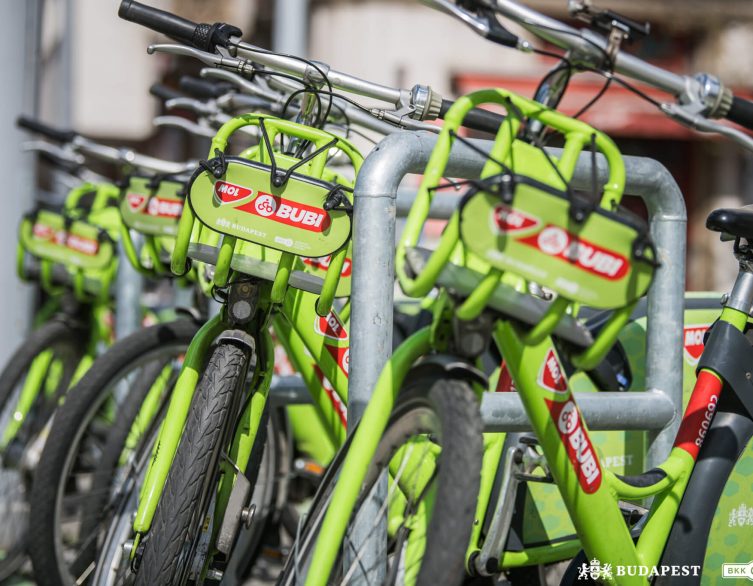
Cycling is one of the most enjoyable ways to experience Budapest, and the city’s bike-sharing system, MOL Bubi, makes it easy to get around on two wheels. A special pilot period is currently underway, offering a simple and affordable way to try the service while the next generation of Bubi is being prepared.
An extended pilot pass for winter riders
In December, a pilot pass was introduced to encourage people to test the system and the new Mobi-points in District VI (Terézváros). The pass costs just 500 HUF and provides up to 30 minutes of cycling for each ride during the pilot period. Because the past weeks brought unusually cold and bike-unfriendly weather, the test phase has been extended until 5 March. All existing pilot passes remain valid until this date, regardless of when they were purchased, and new passes can still be bought. During the same period, pay-per-minute use is also available for those who prefer even more flexibility.
What are Mobi-points?
Mobi-points are designated micromobility hubs where shared bikes, scooters and other small vehicles can be picked up and dropped off in an orderly way. They are being tested in the inner city to see how people use them and how they fit into everyday travel habits. The goal is to create a cleaner, more organized public space while still offering practical, easy-to-find locations for picking up and parking shared vehicles. Data from the pilot helps the city understand when and where people ride, and supports the planning of the future Bubi network.
Fewer bikes for now, more bikes on the way
During the current pilot, the system operates with a reduced fleet of around 1,000 bicycles, so there may be fewer green bikes on the streets than usual. In the background, however, work is well underway on the third generation of MOL Bubi. The new system is planned to launch by late June 2026 at the latest, with the possibility of an earlier start.
Best deals of Budapest










The next-generation Bubi will begin with a significantly larger fleet of around 3,300 bikes, including both traditional and electrically assisted models. Over time, the number of bikes is expected to grow to at least 5,000. The introduction of e-bikes will make longer distances and hilly routes easier to manage, opening up cycling to a wider range of users, including those who may not have considered bike-sharing a realistic option before.
New areas and easier connections
Today, MOL Bubi mainly serves the central parts of Budapest, which already makes it a convenient option for sightseeing between key landmarks, riverfront areas and popular neighbourhoods. With the new generation, the service area is planned to expand towards major transport hubs and additional districts, reaching locations such as Örs vezér tere, Kőbánya-Kispest, Újpest-Városkapu, Angyalföld, Zugló, the József Attila housing estate and Őrmező. A long-term goal is to serve all metro stations with significant passenger numbers.
For visitors, this means it will become increasingly simple to combine cycling with metro, tram and bus lines. Exploring the city by bike will not only be a pleasant experience, but also an integrated part of Budapest’s wider public transport system.
How visitors can use MOL Bubi
For those arriving in Budapest before the beginning of March, the 500 HUF pilot pass offers a low-cost way to move between attractions, cafés and viewpoints using short rides. Each ride includes up to 30 minutes of cycling during the pilot period. The pay-per-minute option remains suitable for anyone who only plans to use a bike occasionally.
In the spring months and beyond, it is worth following official information channels for updates on the launch of the new system and the expansion of the service area. As the next generation of MOL Bubi appears, Budapest will become even more bike-friendly, with more bikes, more docking locations and better coverage. For tourists, that means an easier, more flexible and more sustainable way to discover the city.
Related news
Good News for Cyclists: You Can Still Bubi in Budapest This Winter
The beloved green bikes aren’t going anywhere If you’ve been planning a winter trip to Budapest and were worried that the city’s famous green...
Budapest’s Bubi Bike System Is Getting a Major Upgrade: A New Era for Urban Cycling Begins
If you’ve ever zipped around Budapest on the iconic green Bubi bikes, get ready for an even better experience. The city’s popular bike-sharing...
Budapest’s MOL Bubi Bikes Get a Winter Pass for 2025
Budapest’s bright green MOL Bubi bikes are about to go through a major transition, and if you’re visiting the Hungarian capital this...
Related events