New Year’s Highway Toll System Disruption: What Budapest Visitors Need to Know
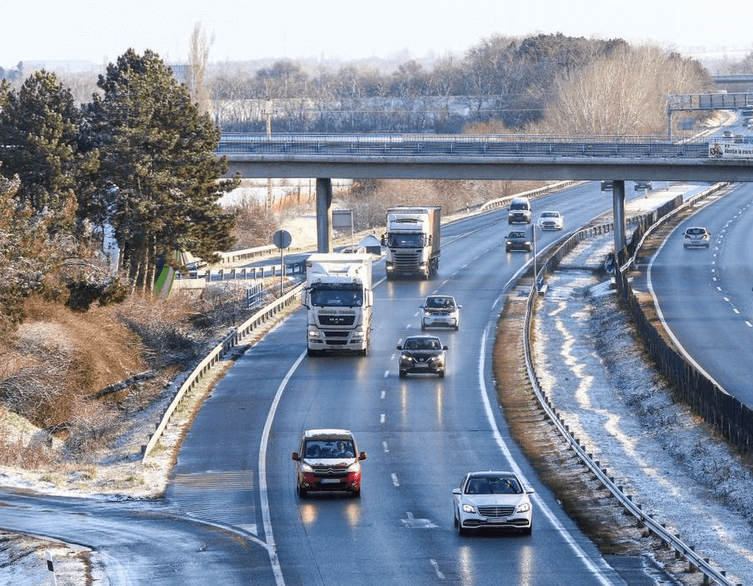
If you’re planning to drive in Hungary around New Year’s Eve and into the first days of 2026, there’s something important you need to know before you hit the road. A technical system upgrade will temporarily affect how you can purchase highway vignettes and pay road tolls, and failing to prepare could leave you stranded or facing fines at the worst possible time for a disruption—right when you want to be celebrating the new year.
The National Toll Payment Services (Nemzeti Útdíjfizetési Szolgáltató Zrt.) announced on Saturday that scheduled maintenance and system upgrades will create partial service outages during the transition from 2025 to 2026. While this might sound like just another technical inconvenience, understanding exactly when and how these changes affect you can make the difference between a smooth journey and an expensive headache.
Understanding Hungary’s Toll System
Before diving into the specific disruptions, it helps to understand how Hungary’s road toll system works, especially if this is your first time driving in the country. Hungary operates two distinct systems depending on what type of vehicle you’re driving.
For regular passenger cars and vehicles under 3.5 tons, you need an e-vignette (called an “e-matrica” in Hungarian). This electronic sticker isn’t actually stuck to your windshield—instead, it’s linked to your license plate number in a digital database. When you purchase an e-vignette, cameras along the highways automatically recognize your vehicle and verify that you’ve paid for road use. You can buy these vignettes for various durations, from ten days to a full year, making them flexible for both short visits and extended stays.
For larger vehicles—trucks, buses, and anything over 3.5 tons—Hungary uses the HU-GO system, which calculates tolls based on the actual distance traveled and the specific routes used. This system requires either an onboard unit that communicates with roadside equipment or the purchase of route tickets in advance.
The New Year’s Service Interruption Timeline
The technical upgrade affects both systems, though in different ways and at different times. Knowing these specific windows helps you plan around them effectively.
For the HU-GO system serving heavier vehicles, the outage runs considerably longer. Starting at 11:15 PM on December 31, 2025, and extending until approximately 2:15 PM on January 1, 2026, users won’t be able to top up their account balances or purchase route tickets. That’s roughly fifteen hours when the system becomes essentially frozen for new transactions.
This timing creates particular challenges because it spans the midnight celebration and continues well into New Year’s Day. If you’re driving a larger vehicle or planning a trip that requires HU-GO payments, you absolutely must ensure your account has sufficient balance before the shutdown begins. The service provider emphasizes that they’ll still process toll declarations from vehicles using onboard units after the fact, but you can’t add money or buy new tickets during this window.
Best deals of Budapest












Bank transfers for HU-GO account top-ups face even longer processing delays. If you’re relying on a bank transfer rather than other payment methods, you need to initiate it by 4:00 PM on December 30, 2025. Any transfers started after the system upgrade won’t be credited to your HU-GO account until January 5, 2026—several days later. This extended delay could leave you unable to use toll roads for days if you haven’t planned ahead.
E-Vignette Purchasing Restrictions
For most tourists driving passenger cars, the e-vignette situation matters more directly. The disruption here is shorter but still significant. Between 11:15 PM on December 31 and 7:15 AM on January 1, the official government website (nemzetiutdij.hu) won’t process vignette purchases. That’s an eight-hour window when the primary official channel goes dark.
However, the situation isn’t as dire as a complete shutdown. During this same period, you can still purchase e-vignettes from several alternative sources. Major gas station chains will continue selling them at their larger locations, and online resellers authorized to sell Hungarian vignettes will remain operational. The limitation primarily affects the government website and smaller retailers who might not have backup systems capable of handling the transition.
This partial availability creates an interesting decision point. You could gamble on finding an open major gas station after the shutdown begins, or you could simply purchase your vignette before December 31 at 11:15 PM and eliminate any risk. Given that Hungarian authorities continue enforcing toll requirements throughout the system upgrade—there’s no grace period or free passage—the safer choice seems obvious.
Why This Matters for Your Travel Plans
You might wonder why a few hours of system downtime warrants such detailed attention. The answer lies in how strictly Hungary enforces its toll requirements and the consequences of getting caught without valid payment.
Hungarian roads use an extensive network of automated cameras that continuously photograph license plates and cross-reference them against the vignette database. These cameras operate twenty-four hours a day, seven days a week, without breaks for holidays or system upgrades. The fact that you couldn’t purchase a vignette due to technical problems doesn’t create any exemption from the requirement to have one.
If cameras catch you on a toll road without valid authorization, you face substantial fines. The penalties start high and increase based on various factors including how long you drove without payment and whether this is a repeat offense. For tourists, these fines can easily exceed the cost of several annual vignettes, and they must be paid before you can leave the country if you’re stopped.
Beyond the financial risk, there’s the simple frustration of dealing with bureaucratic problems while you’re trying to enjoy a vacation. New Year’s Eve and New Year’s Day should be about celebration and relaxation, not scrambling to find a gas station that can sell you a highway sticker at midnight.
Smart Preparation Strategies
The solution to avoiding these problems is refreshingly straightforward: buy your vignette or top up your HU-GO account before the system upgrade begins. This approach eliminates all risk and lets you focus on enjoying Budapest’s famous New Year’s celebrations rather than worrying about toll payments.
If you’re arriving in Hungary before December 31, purchasing your vignette should be one of your first tasks after crossing the border. You can buy them at border crossings, gas stations throughout the country, and online through the official website or authorized resellers. The process takes only a few minutes, and once purchased, your vignette activates within a specified timeframe depending on the type you choose.
For those already in Hungary with valid vignettes, check the expiration date. If your current vignette expires on December 31 or in early January, purchase your replacement before the December 31 deadline. The system allows you to buy a new vignette before your current one expires, and it will automatically activate when the old one runs out.
If you’re part of a tour group or have arranged transportation through a hotel or tour company, verify that they’ve handled toll payments. Professional drivers and tour operators certainly know about the system upgrade, but confirming that they’ve taken care of it gives you peace of mind.
Alternative Transportation During the Transition
If you’re flexible about your travel timing or haven’t yet committed to driving, consider whether the period around the system upgrade might be better spent using alternative transportation. Hungary’s public transport network connects Budapest with most major destinations, and trains in particular offer a stress-free way to travel without worrying about tolls, parking, or navigation.
New Year’s Eve in Budapest centers primarily around the city itself, with major celebrations in the downtown area, along the Danube riverfront, and in the city’s thermal baths. You don’t need a car to enjoy these events—in fact, having one can be more burden than benefit when you’re trying to navigate crowded streets and find parking in celebration zones.
If your plans include trips outside Budapest during late December or early January, consider arranging those excursions either before December 30 or after January 2, when the system will be fully operational again. This timing gives you maximum flexibility for vignette purchases and eliminates any risk of getting caught in the transition.
Understanding Hungarian Highway Infrastructure
To put these toll requirements in context, it helps to understand which roads actually require payment. Not every road in Hungary charges tolls—the system applies primarily to highways (marked with M-numbers like M1, M7, etc.) and certain expressways. Smaller roads, local routes, and urban streets remain free to use.
However, if you’re traveling between Budapest and almost any other significant Hungarian destination, you’ll almost certainly use toll roads. The M1 connects Budapest to Győr and continues toward Vienna. The M7 runs southwest toward Lake Balaton, Hungary’s premier summer destination. The M3 heads northeast toward Miskolc and eventually Slovakia. Unless you’re deliberately planning scenic routes on secondary roads—which significantly extends travel time—toll road usage becomes practically inevitable.
This reality makes proper vignette planning non-negotiable rather than optional. You’re not trying to decide whether to pay tolls; you’re simply choosing when to handle that payment. Doing it before the system upgrade is the clear winner for convenience and peace of mind.
What Happens After the Upgrade
Once the technical transition completes, the system should return to normal operation with some improvements in the background. These infrastructure upgrades typically aim to increase system reliability, enhance security, or add new features, though the service provider hasn’t specified exactly what changes users will notice.
For most tourists, the practical effect is simple: starting around mid-morning on January 1 (by 7:15 AM for e-vignettes, by 2:15 PM for HU-GO), all purchasing channels should be fully operational again. The official website, all retailers, and all payment methods will work normally. If you missed the pre-upgrade window, you can purchase your vignette or top up your account then—though you’ll face restrictions on road use until you complete that purchase.
The bank transfer timing for HU-GO accounts remains the outlier, with those transactions not clearing until January 5. If you’re driving a heavy vehicle and rely on bank transfers, this extended delay really does require advance planning. Other payment methods process much faster once the system reopens.
Beyond the Practical Concerns
While this article focuses heavily on the practical mechanics of avoiding toll payment problems, there’s something worth noting about how seriously Hungary takes its road infrastructure and enforcement. The country has invested heavily in its highway network over recent decades, creating modern, well-maintained roads that make driving pleasant and efficient.
The toll system funds this infrastructure, and the strict enforcement ensures that everyone who uses the roads contributes to their upkeep. The automated camera system, while perhaps intimidating to visitors worried about getting caught without proper payment, also makes the actual payment process remarkably simple—no stopping at toll booths, no fumbling for change, just a digital sticker linked to your license plate.
This efficiency means that once you’ve purchased your vignette, you can essentially forget about tolls for the duration of its validity. You drive normally, enjoy the roads, and the system handles everything in the background. The only time you need to think about it again is when approaching expiration or, as in this case, when scheduled maintenance creates temporary limitations.