Monsters, Masks and Doughnuts: A Visitor’s Guide to the Busó Tradition and Carnival Season in Hungary
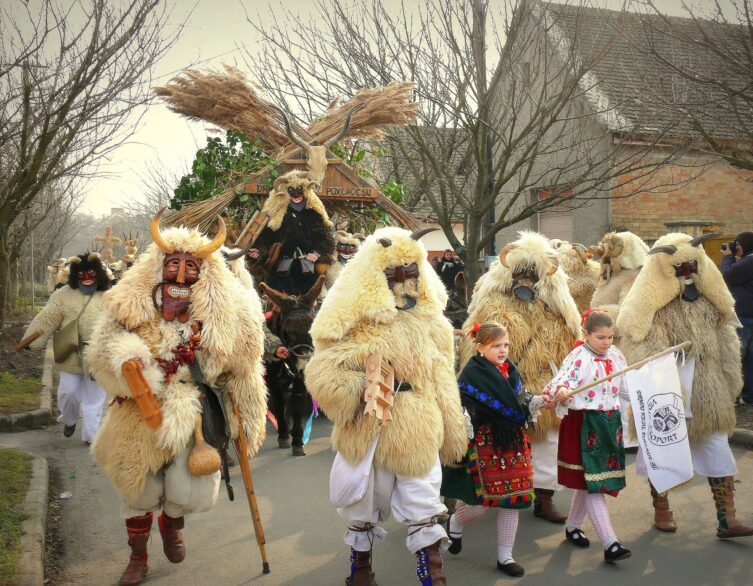
The busó tradition is one of the most powerful and visually striking experiences you can have in Hungary, and it opens a window onto the wider world of Hungarian carnival customs known as farsang. Even if you are staying in Budapest, understanding these masked “winter‑chasing” rituals adds a rich cultural layer to your visit and helps you see the city’s winter and early spring mood in a new light.
What Is Farsang, Hungary’s Carnival Season?
In Hungary, carnival is called farsang, and it is a whole season rather than a single event. It begins on 6 January, the day of Epiphany, and lasts until Shrove Tuesday, just before Lent begins. Traditionally, this period is a last joyful burst of feasting, masquerades and noisy fun before the quieter, more restrained weeks of Lent in the Christian calendar.
Across the country, farsang is marked by costume balls, school dress‑up days, small‑town parades and community events where people put on masks to symbolically leave behind the hardships of winter and the old year. Even today, many Hungarians still associate farsang with the smell of freshly fried fánk, the classic Hungarian doughnut served with jam and powdered sugar, and with the playful chaos of dressing up as anything from historical figures to modern pop‑culture characters.
The Busó Tradition: A Winter Farewell with Horns and Fire
At the very heart of Hungarian carnival stands one spectacular event: the Busó festivities at Mohács, known in Hungarian as busójárás. This six‑day celebration in late February, held in the southern town of Mohács on the Danube, is so unique that it has been inscribed on UNESCO’s Representative List of the Intangible Cultural Heritage of Humanity.
Busós are fearsome‑looking figures, traditionally men, wearing heavy sheepskin cloaks, carved wooden masks with long noses, tusk‑like teeth and horns, and often clanging cowbells around their waists. They stomp through the streets in big wooden boots, blow horns, rattle their instruments and joke with the crowds, creating a deliberately wild, chaotic atmosphere meant to drive away winter and any lingering evil spirits. The overall effect is somewhere between a folk ritual, a horror film and a street party, and it is designed to be overwhelming in the best possible way.
Legends Behind the Masks
Like many old traditions, busójárás has more than one origin story. One of the most popular legends links it to the era of Ottoman occupation. According to this tale, the local Šokci (a South Slavic, Croatian‑related community) fled across the Danube to an island to escape the Turks. On a stormy night, they supposedly returned in boats wearing terrifying masks and making a huge noise with bells and wooden rattles; the superstitious Ottoman soldiers, believing they were being attacked by demons, panicked and fled, leaving the town free.
Best deals of Budapest









Historians point out that the busó tradition also carries much older, pre‑Christian elements: the end of winter, the return of fertility and light, and the symbolic cleansing of the community through noise, fire and ritual mischief. Whatever its exact origins, the festival today is both a proud symbol of Mohács and a national emblem of how Hungarians face the last dark weeks of winter with humour, creativity and a bit of theatrical terror.
How the Busó Festivities Unfold
If you travel to Mohács during busójárás, you step into a complete carnival world. The celebrations run for six days from the Sunday before Shrove Tuesday through to Shrove Tuesday itself, and the town welcomes huge crowds of visitors from Hungary and abroad.
The highlight is the arrival of hundreds of busós by traditional wooden boats on the Danube, evoking the legendary return of the disguised locals across the river. From there, they march through the city towards the main square, accompanied by horse‑drawn carts or decorated vehicles, folk musicians and dancers, and children in smaller, less frightening masks. Throughout the streets you see stalls selling hand‑carved masks, sheepskin cloaks, wooden rattles and local crafts, as well as plenty of hearty food: sausages, lángos (fried flatbread), stews and mountains of doughnuts.
The climax of the festival is the burning of a symbolic coffin or straw effigy representing winter, placed on a huge bonfire in the central square. As the flames rise, people dance around the fire, music grows louder, and the sense of collectively “chasing away winter” is almost tangible in the smoke and sparks. For many visitors, it is this combination of theatrical spectacle and genuine communal emotion that makes busójárás unforgettable.
Craftsmanship, Community and the “Code of the Busó”
Behind every terrifying mask stands a skilled artisan. In Mohács, mask‑carving is a respected folk art, usually passed down within families or small workshops. Masks are traditionally carved from willow or other soft wood, painted in earthy reds and blacks, and decorated with animal horns, leather and sometimes real teeth or hair to enhance their unsettling appearance. The weight, smell of the wood and wool, and the limited visibility all help the wearer slip into the role of the “monster” once they pull the mask over their head.
Because the festival has grown so popular and is now recognised internationally, Mohács has introduced a formal “Busó Parade Code” that defines what a true busó is allowed to wear and how they should behave during official events. This helps preserve authenticity: plastic Halloween masks or flashy, non‑traditional costumes are discouraged, while hand‑carved wooden masks, sheepskins and folk‑inspired accessories are protected and promoted. For locals, preparing for busójárás is a year‑round community effort involving costume‑making, rehearsing dances and music, and training younger generations in both the fun and the responsibility of carrying the tradition forward.
Farsang Traditions Beyond Mohács
While busójárás is the most spectacular expression of Hungarian carnival customs, farsang is celebrated all over the country in more intimate ways. From January to early March, schools organise costume days where children dress up as animals, superheroes, princesses or traditional figures, and small towns host masked balls in community halls, wine cellars or village pubs.
Cleansing Fires
In many regions, the season ends with the burning or burial of a straw figure or “farsang coffin” that symbolises winter, misfortune or the “old year”, followed by a final evening of dancing and feasting before Lent. The food of farsang is rich and comforting: doughnuts, meat‑heavy dishes and generous helpings of wine or pálinka for the adults, all reflecting the idea of enjoying abundance before a period of restraint. Even in Budapest, bakeries and cafés begin showcasing their own versions of carnival doughnuts as soon as Epiphany passes, and the city’s mood shifts towards something more playful and indulgent while the weather is still cold.
The Carnival of Love and Laughter
In Hungary, Farsang is not only a season of colorful masks and lively balls—it was once the most romantic time of the year. Traditionally held between Epiphany and the start of Lent, this festive period marked the country’s courtship and engagement season, when love blossomed before spring’s arrival.
Centuries ago, Farsang was considered the most favorable time for matchmaking. Since weddings were forbidden during the Easter fast, couples hurried to find love and become engaged before the season ended. In many Hungarian villages, young women showed their affection through a tender yet meaningful gesture: they sent a bouquet to the man they admired, usually through family members or discreet intermediaries.
If the young man reciprocated her feelings, he would declare his affection in public during the final Farsang ball by proudly pinning the bouquet to his hat. This charming tradition served as a symbolic public confession of love, and by the end of the carnival season, many engagements were sealed—sometimes even planned weddings were announced.
However, Farsang had its playful side as well. Those who remained single—both women and men—became subjects of humorous teasing. Unmarried girls were often the target of witty or even harsh “vénlánycsúfolók”, rhymes and jokes mocking spinsters. In some regions, they were made to “pull a log”, an ancient fertility ritual representing the burden of remaining unmarried. Meanwhile, young men were teased with equally boisterous games and songs.
Despite the teasing, love and flirtation filled the air during the balls, dance parties, and late-evening gatherings known as fonó. A fonó was a traditional Hungarian evening gathering where villagers—especially young women and men—came together to spin yarn, sing, dance, and socialize, creating a cozy setting for work, storytelling, and budding romance.
Today, Farsang still captures the spirit of romance and fun. While modern celebrations focus more on masquerades and festivals, the essence of renewal, community, and courtship continues to echo through Hungary’s music, dance, and age-old customs. For visitors, it’s a chance to experience the country’s most heartwarming blend of tradition, joy, and love—a festive celebration that honors both merrymaking and the timeless search for connection.
Experiencing Busó Traditions as a Visitor in Budapest
If you are staying in Budapest during farsang, you have two main ways to connect with the busó tradition: by travelling to Mohács for the festival itself, or by exploring carnival‑themed events and flavours in the capital.
Reaching Mohács from Budapest takes around two to three hours by car or organised excursion, and many tour agencies and student groups run day trips specifically for busójárás. A typical visit includes an early morning departure from Budapest, arriving in Mohács in time for the main parade, wandering among the mask‑makers’ stalls, tasting local food and staying until the evening bonfire before returning to the city at night. If you enjoy folklore, photography or simply unusual, immersive experiences, it is well worth planning your Budapest trip around these dates.
If you cannot leave the capital, you can still soak up the carnival spirit. Budapest’s own farsang season brings masquerade balls, themed evenings in historic cafés, and family costume events at cultural centres and museums. Restaurants and pastry shops often highlight fánk and other carnival treats, while cultural venues organise exhibitions and talks about busójárás and Hungarian folk customs, sometimes inviting mask‑carvers or folk musicians from Mohács to demonstrate their craft. Watching a short film, photo exhibition or live presentation about busójárás in Budapest can give you helpful context and make the tradition feel more accessible, especially if you travel with children or have limited time.
Why the Busó Tradition Matters Today
In an age of globalised, digital entertainment, the busó tradition and Hungary’s broader carnival customs offer something refreshingly direct and human. They are noisy, physical and communal, reminding participants and visitors alike that the changing of the seasons is still something people like to mark together, with fire, food and shared laughter.
For foreign visitors, these traditions provide a deeper understanding of Hungarian culture beyond ruin pubs and thermal baths. Seeing a busó mask up close, hearing cowbells thunder in a narrow street or biting into a warm doughnut on a cold February day connects you to centuries of stories, fears and hopes that people here have carried through the winters. Whether you make the journey to Mohács or simply follow the carnival flavours and events in Budapest, letting farsang and the busó spirits into your travel plans will make your Hungarian winter or early spring visit far more memorable.
Related news