How Budapest’s Airbnb Rules Are Changing – What Tourists Need To Know
Budapest is famous for its romantic riverside views, ruin bars and grand cafés – but for many visitors, short‑term rentals like Airbnb have also become a big part of how they experience the city. Right now, however, Budapest is in the middle of a major shift in how these rentals are regulated, and that can directly affect where you stay, how far in advance you should book and what kind of neighbourhood atmosphere you can expect.
Why Budapest Is Tightening Airbnb Rules
In recent years, short‑term rentals have spread rapidly in the historic central districts of Budapest, especially in Terézváros (District VI), where elegant 19th‑century apartment blocks sit just behind Andrássy Avenue and the Opera. Local leaders and residents increasingly argue that this boom has pushed up prices, squeezed long‑term renters and changed the character of once‑residential streets, turning them into de facto hotel zones.
City politicians highlight that this is not only a housing issue but a broader question of how liveable the inner districts remain for locals. When entire stairwells are filled with constantly changing visitors, long‑term neighbours disappear, everyday services move out and nightlife pressure grows, which can easily lead to more tension between residents and tourists.
Best deals of Budapest









What Changed First In District VI (Terézváros)
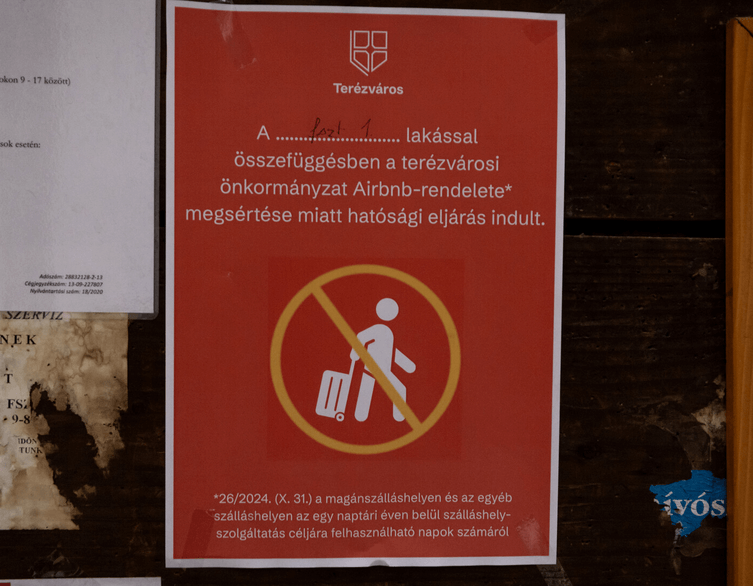
Terézváros became the first district in Budapest to adopt a full local ban on short‑term “apartment hotels” such as Airbnb from January 2026, following a local referendum held in 2024. For visitors this means that new traditional Airbnb‑style listings are no longer allowed in this central neighbourhood, even though you may still see some existing places that are winding down under earlier permits or operating in other legal categories.
The ban has already started to reshape the rental market there. In January 2026, the median monthly rent for a used apartment in a condominium in District VI was around 282,500 forints, about 1 percent lower than a year earlier, while the number of flats available for long‑term rent jumped to roughly 1,250, a striking 28 percent increase compared to January 2025. At the same time, across Budapest as a whole, the total supply of rental apartments actually slipped slightly, which shows how unusual Terézváros’s trend is in the city context.
The City‑Wide Moratorium And What It Means For You
Beyond the local ban in District VI, Budapest currently has a city‑wide “Airbnb moratorium” in force until the end of 2026. In practice, this means that since January 2025 no new short‑term rental permits can be issued anywhere in the capital, but properties that already had valid permits can continue to host guests, including foreign tourists booking popular platforms.
For travellers this creates a kind of frozen map: you can still stay in many central short‑term rentals that have been on the market for some time, but you may notice fewer brand‑new listings popping up and more traditional hotels, aparthotels and serviced apartments entering your search results instead. It also means that reviews from previous years often still reflect the current offer, because many of the same properties are still active while new competitors are not entering the market.
District I (Castle District) As The Next Flashpoint
The historic Castle District (District I), with its cobbled streets, royal palace and panoramic views over the Danube, is now at the centre of the next regulatory debate. The district’s deputy mayor, who is also a parliamentary candidate, has publicly called short‑term rentals a strategic urban issue, arguing that their expansion disrupts local communities, changes the face of neighbourhoods and threatens the long‑term liveability of the inner districts.
In early 2026, the median rent for a used condominium apartment in District I was around 300,000 forints per month, about 4 percent higher than a year earlier, while the median price per square metre for resale flats had climbed by roughly 15 percent to nearly 1.9 million forints. Local leaders are therefore exploring tighter rules, or even a potential ban similar to Terézváros, and have started discussions with neighbouring districts to coordinate how they handle short‑term rentals in the wider central area.
How Regulation Is Reshaping The Housing Market
Experts following the market note that the changes cannot be explained by Airbnb rules alone. A government‑backed housing scheme called the Otthon Start Program, offering loans with a fixed 3 percent interest rate, has encouraged many long‑term renters to become first‑time buyers, easing demand on the rental side. Between September and December, Budapest’s rent index, compiled by the national statistics office and a major property portal, dropped by more than 1 percent, and the annual pace of rent increases slowed to around 5.6 percent.
In Terézváros, the combined impact of the Airbnb ban and the buyer‑friendly loan programme has significantly expanded the number of homes available both to rent and to buy. Since last January, the stock of flats for sale in District VI has grown by about one third to nearly 2,400 properties, while city‑wide the supply of condos for sale has increased by more than half. Among the central Pest districts, District VI now has the largest number of properties on the market, which can gradually temper price growth and diversify what types of accommodation are available for residents and, indirectly, for visitors.
What All This Means If You Are Planning A Trip
If you are visiting Budapest over the next couple of years, these regulatory shifts will mostly be visible in how many short‑term rentals you find in certain central areas and in the feel of different neighbourhoods. In Terézváros, you may encounter slightly fewer classic Airbnb apartments near Andrássy út and more long‑term residents returning to streets that had started to feel like hotel corridors, while in District I you might want to keep an eye on news and booking platform updates, especially if you are planning a longer stay near Buda Castle.
Because the moratorium blocks new permits but allows existing ones to run, the safest choice is often to book well‑reviewed, established listings or to consider hotels, boutique guesthouses and serviced apartments if you prefer maximum predictability. At the same time, the broader trend in Budapest – echoing other major European cities – is moving toward tighter control of short‑term rentals, a stronger focus on local communities and a more balanced relationship between tourism and everyday urban life. For travellers who enjoy authentic neighbourhoods, local cafés and a calmer residential atmosphere, that may ultimately make Budapest’s historic districts even more rewarding to explore.
Related news
Airbnb Ban in Budapest? What Foreign Tourists Need to Know About the New Rules
If you’re planning a trip to Budapest and were thinking of booking a cozy apartment in the city center, you’ve probably noticed some big changes...

Airbnb Ban Comes into Effect in Budapest’s District VI: What Tourists Need to Know
As of January 1, 2026, the central district of Terézváros — one of Budapest’s busiest and most popular areas among tourists...
Budapest’s Airbnb Ban: A Controversial Move to Preserve Residential Life
In a bold move to tackle the growing concerns of “touristification” and the housing crisis, Budapest’s 6th district, Terézváros,...