From Deep Freeze to Winter Thaw: Budapest’s January Weather Shift
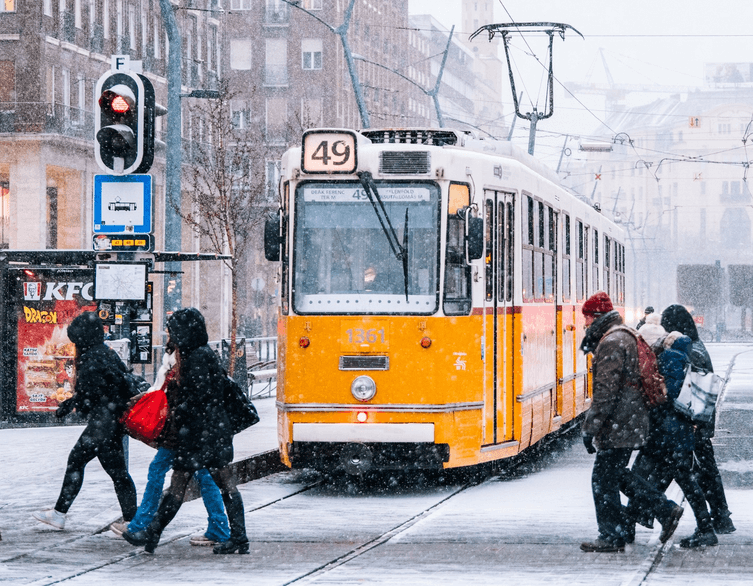
Budapest is in the middle of a strikingly cold and snowy winter, creating a dramatic, almost storybook backdrop for anyone visiting the city. Recent nights have brought temperatures down to around −20−20 degrees Celsius in parts of western Hungary, with values often below −10−10 even in milder regions, making this one of the harshest and longest cold spells in recent years. For foreign visitors, this means unforgettable winter scenes – but also a need for thoughtful planning and extra care while exploring the Hungarian capital.
What the Weather Really Feels Like Right Now
January 2026 has delivered several nights of severe frost across the country, with the western regions recording lows near −21.7 degrees at Murakeresztúr, and many other locations dipping well below −15. Even in the relatively “milder” central areas, including the broader Budapest region, mornings have often started between −7 and −10 degrees, which can feel even colder with windchill while walking along the Danube or crossing one of the city’s famous bridges. This unusual persistence of Arctic air has made the current period stand out, as such a long-lasting cold snap has not been common in recent winters, according to regional climatological assessments.
Best deals of Budapest









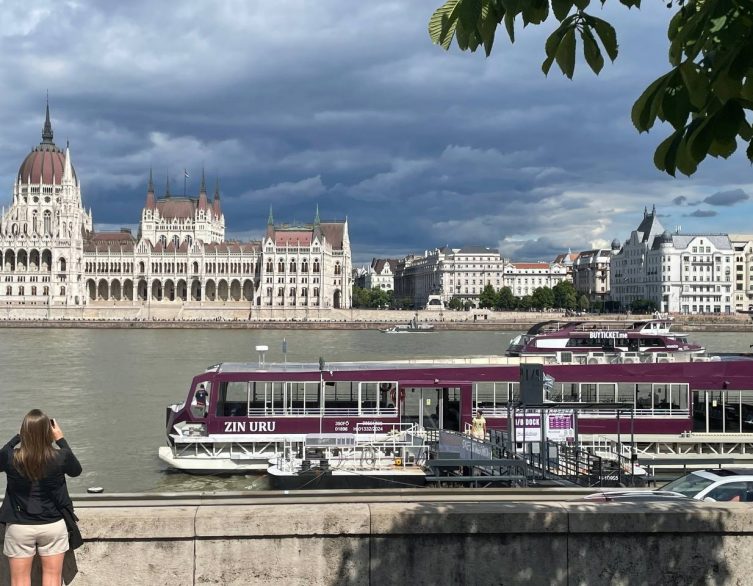
From a visitor’s perspective, this means that standard winter clothing is no longer enough: layered, thermal outfits, insulated boots, proper gloves, and hats are essential if you plan to spend time outdoors at sights like Fisherman’s Bastion, Buda Castle, or Heroes’ Square. Even short walks between cafés, museums, and markets feel very different when the air itself is biting and every exhale hangs visibly in front of you, making warm indoor stops part of the natural rhythm of your sightseeing day.
Snow, Freezing Rain, and Why Surfaces Are So Slippery
As if the severe frost were not enough, the weather pattern over the coming days is bringing another set of challenges to Budapest and the surrounding region. Forecasts highlight a transition from pure snowfall to periods of mixed precipitation, including sleet, freezing rain, and eventually rain as slightly milder air moves in above the frozen surface. Because the ground and road surfaces have been frozen solid for days, any new moisture – especially freezing rain – is likely to form a smooth, invisible layer of ice, commonly known as black ice, which is extremely slippery and difficult to spot while walking or driving.
This mix of frozen surfaces and oncoming precipitation can affect not only major roads but also pavements, stairs, tram platforms, and pedestrian underpasses, which tourists frequently use to navigate central Budapest. Even popular and usually well-maintained tourist routes, such as the paths around the Parliament building or the promenades on Margaret Island, can become unpredictable during and shortly after these weather events. For that reason, local authorities and meteorological services strongly advise people to slow down, avoid rushing to catch trams or buses, and pay attention to surfaces that appear wet, since they may actually be sheets of ice.
How Budapest Is Working to Stay Open and Accessible
Behind the scenes, Budapest’s public service teams are working intensively to keep the city functioning despite the severe winter conditions. More than one hundred specialized vehicles and over five hundred workers are involved daily in snow removal and de-icing operations, covering roughly twenty-five million square meters of public space across the capital. Their priority is to keep the main road network, public transport routes, bridges, overpasses, and hospital access roads in the best possible condition, which means these areas are checked repeatedly, plowed when necessary, and treated with de-icing materials both before and during snowfall or freezing rain.
While these efforts greatly improve the safety of primary routes, visitors should be aware that secondary streets and smaller sidewalks can remain icy and are often cleared more slowly. In Budapest, the responsibility for clearing the pavement in front of a property lies with the property owners or building communities, so the condition of sidewalks can vary significantly from one block to the next. This explains why you may walk along a perfectly safe, salted section and then suddenly encounter a treacherous, compacted snow-and-ice surface only a few steps later. Staying alert, choosing better-cleared paths where possible, and allowing extra time to reach your destination are all simple but important strategies for moving safely through the city.
Getting Around: Why Public Transport Is Your Best Friend
In these conditions, local authorities and transport experts strongly recommend using public transport instead of driving whenever possible, especially for visitors unfamiliar with winter driving on snow and ice. Budapest’s network of trams, buses, trolleybuses, and metro lines is extensive and continues to operate even during severe weather, with major lines given priority in snow-clearing operations to keep them functional. This is especially useful for reaching central attractions, as many of them are located along or near the main tram lines and metro stations, which are serviced and maintained more frequently than side streets.
If you absolutely need to drive, it is considered essential to use proper winter tires, as summer or worn tires significantly increase the risk of skidding and losing control on icy or slushy surfaces. Even well-equipped vehicles must move more slowly, allow much longer braking distances, and avoid sudden lane changes or sharp turns. For tourists, this level of adaptation can be stressful and unfamiliar, which is why relying on public transportation – or combining it with walking short distances on carefully chosen, cleared routes – is usually the most comfortable and safest option in the city during such a winter episode.
Experiencing Budapest’s Winter Charm Safely
Despite the harsh conditions, Budapest has a unique charm in this deep winter setting, and with the right mindset, your visit can still be unforgettable for all the right reasons. Areas like Normafa in the Buda Hills have turned into pristine winter playgrounds, where early-morning temperatures around −8−8 degrees are paired with bright sunshine, drawing sledgers and cross-country skiers to the crisp slopes and dedicated ski trails. On the groomed sledding hill, the snow can become very fast, so both children and adults are encouraged to slow down in time and take care of each other at the bottom of the run, while cross-country ski tracks are reserved specifically for skiers to ensure a smooth and safe experience.
At the same time, the cold drives visitors to appreciate Budapest’s famous indoor attractions even more: historic thermal baths, elegant cafés, grand coffee houses, and rich museum collections offer warm refuges between ventures into the snowy streets. With a significant warming trend expected from Tuesday onward – driven by a warm front that gradually brings milder air over the region – the most extreme nighttime frosts will slowly ease, although some parts of the country, especially in the northeast, will hold onto sub-zero daytime temperatures a little longer. For travelers, this means a gradual shift from brutally cold, glittering mornings to somewhat gentler winter days, all while the city retains its distinctive seasonal atmosphere.
Follow Budappest.com on Facebook
Related news
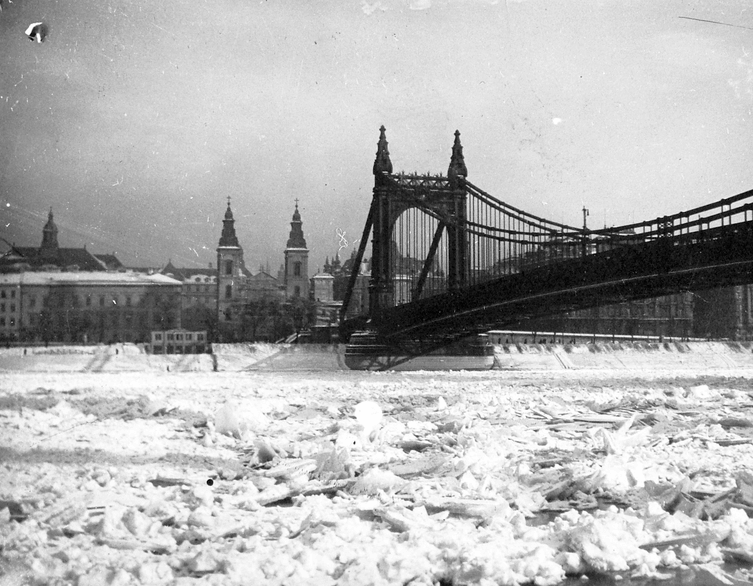
Of Kings and Ice: The Enchanting History of Budapest’s Frozen Danube
Budapest is currently gripped by a rare Arctic freeze, transforming the Danube into a moving mosaic of ice floes. For today’s travelers, it is...
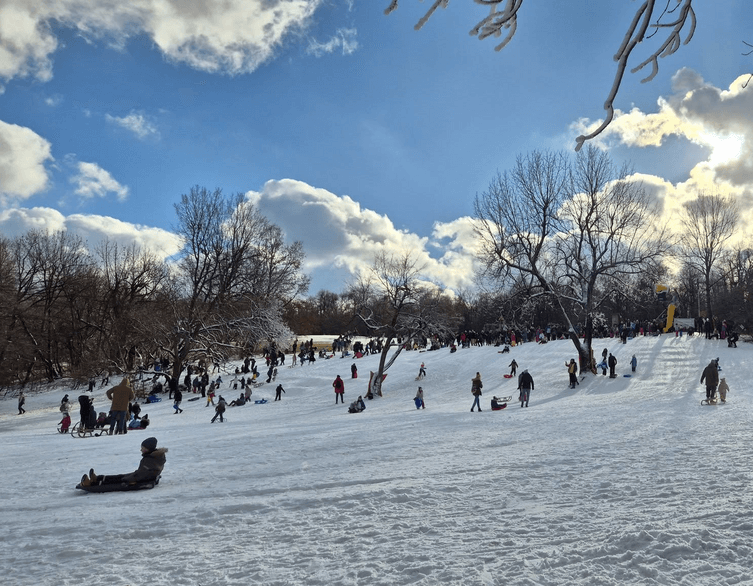
How to Reach Budapest’s Normafa Without the Parking Nightmare
If you’re in Budapest this winter and dreaming of snow-covered trees, sledding down a hill, or a peaceful forest walk, there’s one place that...

Snow Lovers and Cozy Hibernators: How Budapest Zoo’s Animals Handle Winter
Winter has truly arrived in Budapest, and while tourists are bundling up in scarves and sipping hot chocolate, the residents of the Budapest Zoo...

Hidden Havens for Cold Days: Why Budapest’s Book-Cafés Are Winter’s Unexpected Winners
When the mercury dips below zero and the icy Danube winds sweep through Budapest’s historic streets, locals and travelers alike start searching...
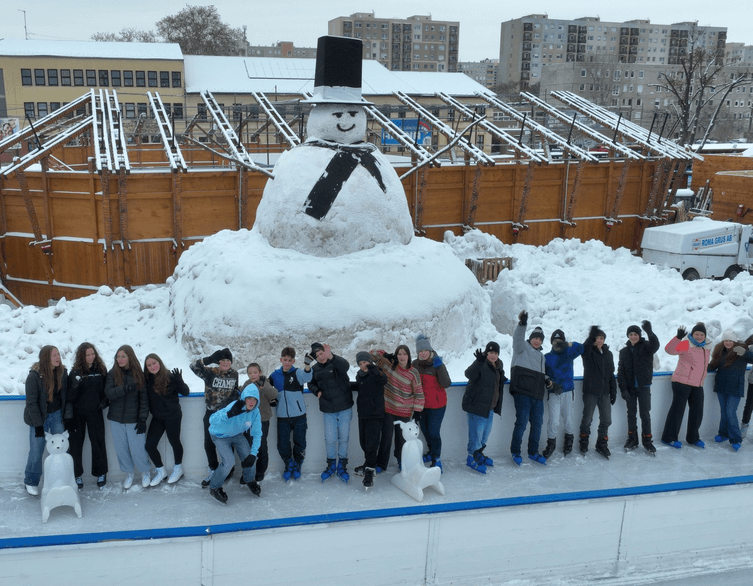
Hungary’s Coolest Celebrity: Meet the 7-Meter Snowman of Csepel
Move over, Parliament and Széchenyi Baths — Budapest has a brand-new star stealing the winter spotlight. He’s seven meters and twenty-five centimeters...
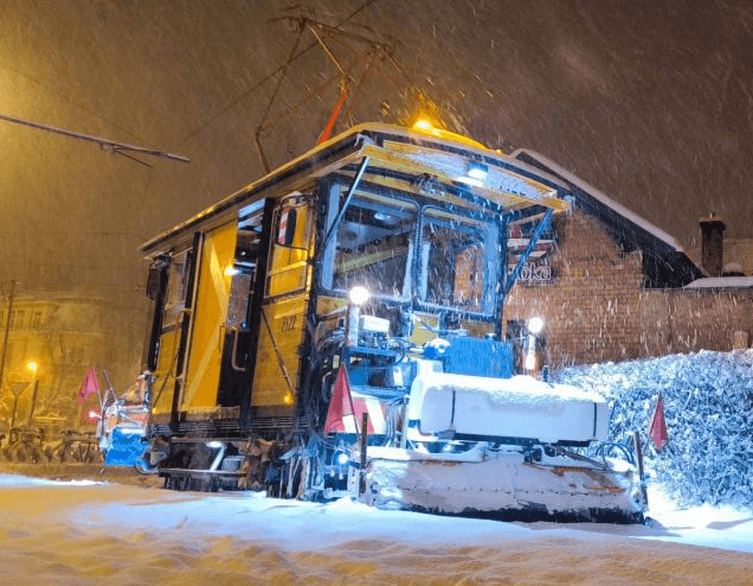
Meet HÓMUKI: Budapest’s Adorably Weird Snow-Eating Hero on Rails
Most cities deploy regular snowplows when winter hits. Budapest? Budapest sends out something called HÓMUKI—and if that name sounds like a friendly...
Heavy Snow and Cold in Budapest: What Tourists Need to Know Right Now
If you’re in Budapest or planning to arrive in the coming days, winter has truly arrived. Heavy snow is falling across the city, temperatures are...
The Best Sledding Spots in and Around Budapest: Where to Enjoy the Snow This Winter
If you woke up to a snow-covered Budapest this weekend, you’re not alone in admiring the city’s fairy-tale transformation. The first...
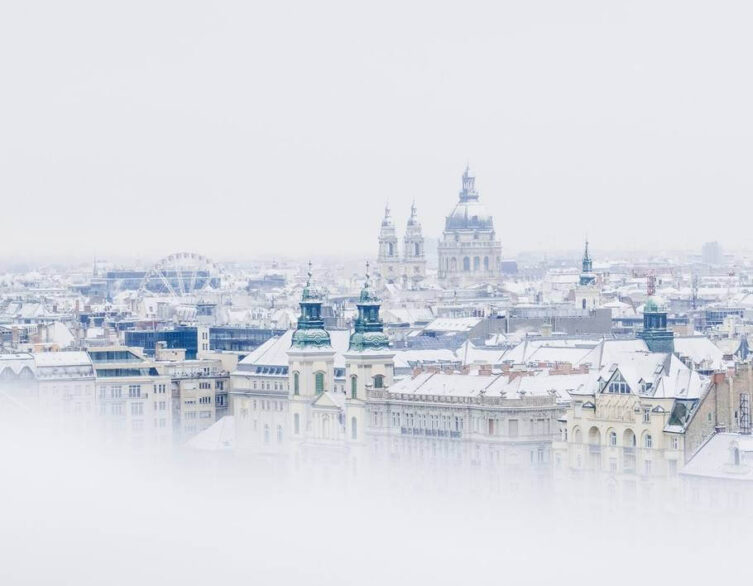
Arctic Blast Heading for Budapest: What Travelers Need to Know About the Coming Cold Snap
If you’re planning to visit Budapest in the coming days, you’ll want to pack a few extra layers. Hungary is bracing for a dramatic weather...