Emergency Medical Care in Budapest: What Tourists Should Know This Holiday Season

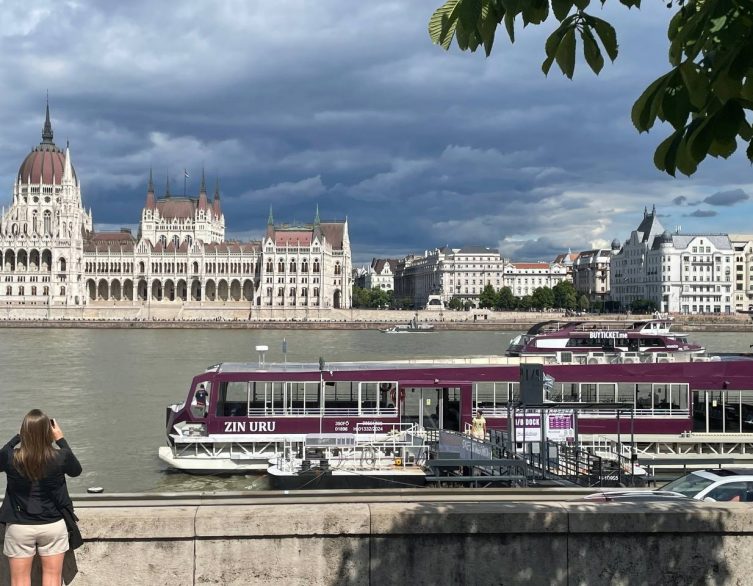
Visiting Budapest during the festive season is a magical experience — twinkling lights along the Danube, steaming mulled wine in Christmas markets, and late-night celebrations on New Year’s Eve. Yet, as in any destination, it’s important to know what to do if a medical emergency occurs. Hungary’s National Ambulance Service (Országos Mentőszolgálat) is the country’s largest healthcare institution responsible for emergency medical response, ensuring that help arrives whenever and wherever it’s needed.
If you’re spending the holidays in Budapest or traveling anywhere in Hungary, a few key details about emergency care and local medical services can make all the difference should an unexpected situation arise.
Also see:
Limited Doctor Availability Over the Holidays
As the year draws to a close, local healthcare services adjust their schedules for the holidays. From December 23 in the afternoon until December 29 in the morning, and again from December 31 in the afternoon until January 5, general practitioner offices (GPs) will not operate under normal hours. During these two five-day periods, routine family doctor visits are unavailable, and only urgent cases are treated through emergency on-call services.
This means that unless you require immediate attention, you’ll need to wait until regular office hours resume. Pharmacies remain open on a rotating schedule, and pharmacists can offer high-quality advice for minor issues or symptoms that don’t require a doctor’s examination. It’s also advisable to ensure that any regularly needed medication is prescribed and filled in advance, especially if you’re traveling from another country.
How to Reach an Ambulance in Hungary
If you face an emergency, call 112 — the European emergency number, free of charge from any phone. This line connects you directly to Hungary’s emergency services with multilingual support, ensuring that even foreign visitors can get help quickly. You can also call 104, the dedicated line for ambulance dispatch, though 112 is generally recommended for visitors because it connects you to interpreters and coordinates with police and fire services if necessary.
You should call for an ambulance if someone is seriously injured, unconscious, having trouble breathing, showing signs of a heart attack or stroke, or experiencing severe bleeding, poisoning, allergic reaction, or sudden labor contractions. In these cases, time is critical — call immediately rather than trying to get to a hospital yourself.
Best deals of Budapest










What to Expect When You Call
When contacting emergency dispatch, try to stay calm and speak clearly. Operators will ask for the exact address or a clear description of your location, along with your name, phone number, and a brief explanation of what has happened. Budapest’s streets can be confusing for newcomers, so use landmarks, hotel names, or nearby public transport stops to help ambulances find you faster.
Dispatchers will remain on the line and can guide you through basic first aid if needed. Whether it’s performing hands-only CPR or checking someone’s breathing, following their instructions carefully can save a life before professional help arrives.
While waiting, make sure the paramedics can reach the patient without obstruction. Unlock gates, keep pets secured, turn on the lights, and inform the dispatcher if the patient’s condition changes before the ambulance gets there.
Responsible Emergency Calls
Hungary’s paramedics work tirelessly, especially during the busy winter season, to ensure that help reaches those who truly need it most. To make sure resources are used effectively, residents and visitors alike are asked to use 112 responsibly — call only for genuine emergencies. Non-urgent issues like minor injuries or mild flu symptoms should be directed to pharmacies or treated once regular clinics reopen.
The National Ambulance Service emphasizes that its mission is to be there in life-threatening situations. Each emergency call triggers a complex response network — including ground and sometimes air rescue — so calling thoughtfully ensures the fastest care for those in real need.
Staying Safe and Confident in Budapest
Budapest remains one of Europe’s safest capital cities, with a reliable healthcare system ready to support both locals and travelers. Knowing how to navigate emergency services brings peace of mind, allowing you to focus on enjoying your stay — whether that means skating in City Park, soaking in thermal baths, or ringing in the New Year in the heart of Pest.
So as the lights of December glow across the Danube, remember: in an emergency, dial 112, stay calm, and help will be on its way. The city’s medical professionals — Hungary’s real everyday heroes — are always ready when you need them most.
Related news