DANOVA NEXT: Your Essential App for Accessible Travel in Budapest and the Danube Region
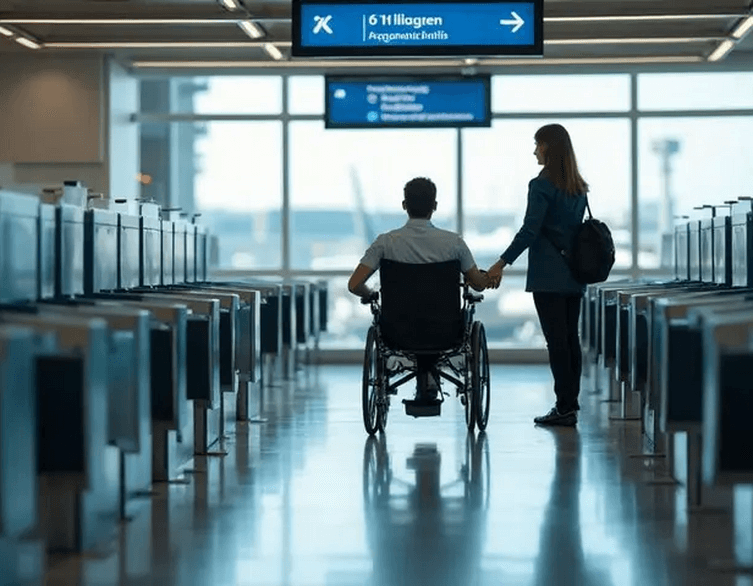
Planning a trip to Budapest and need reliable info on getting around with ease? Whether you’re using a wheelchair, have low vision, or require support for cognitive or hearing needs, the new DANOVA NEXT app changes everything. This free web tool, designed specifically for travelers with disabilities across the Danube Region, puts accessible transport details right in your pocket—from Budapest Airport to trams along the Danube and beyond. It’s not just an app; it’s a game-changer making iconic sights like the Parliament or thermal baths reachable for everyone.
A Seamless Journey from Airport to City Heart
Imagine landing at Budapest Airport, where crowded terminals and confusing signs often turn arrivals into stress. DANOVA NEXT steps in with real-time accessibility data tailored to your needs. Select the airport partner page, and discover everything from wheelchair-friendly parking spots and ramps at check-in counters to audio guides for visually impaired travelers or quiet zones for those sensitive to noise. The app’s interactive maps highlight accessible paths through terminals, elevators to gates, and even priority assistance services, all updated live so you navigate confidently without asking for help at every turn.
Public transport shines too. Budapest’s efficient metro, trams, and buses get a full accessibility breakdown: which stations have tactile paving for the blind, low-floor vehicles for wheelchairs, or visual announcements for deaf users. Heading to Heroes’ Square or a ruin bar crawl? Filter by your specific requirements—reduced mobility lifts on tram 2 along the river, or simplified route planners for cognitive ease—and plan multi-modal trips that feel intuitive and independent.
Built for Every Traveler, Every Need
What sets DANOVA NEXT apart is its thoughtful design for diverse disabilities. Pages organize info by group: reduced mobility users see ramp gradients and transfer times; blind or partially sighted folks get screen-reader compatible descriptions and high-contrast maps with audio cues; those with cognitive differences benefit from simple icons, step-by-step guides, and customizable views; deaf or hard-of-hearing travelers find details on visual alerts, induction loops, and sign language support at stations.
Switch effortlessly between English and local languages like Hungarian on partner pages, ensuring expats or companions stay informed too. Keyboard navigation, voice-over compatibility, and WCAG standards mean no one gets left behind—it’s accessibility by design, not an afterthought. For flights, tap into live timetables with clear, structured displays that announce delays or gate changes accessibly.
Best deals of Budapest









Partners Powering Inclusive Travel Across Borders
This isn’t a solo effort. DANOVA NEXT unites over 18 partners from 11+ countries, including Budapest Airport, BKK public transport, ports like those in Croatia and Montenegro, and allies like the Austrian Federation of the Blind. Funded by the EU’s INTERREG Danube program with a 2.6 million euro budget through 2026, it builds on the original DANOVA project to harmonize data region-wide. Airports share facility upgrades, public systems detail bus ramps, and ports outline accessible docks—creating a cross-border network where planning a Budapest-to-Bratislava trip feels as simple as a local ride.
In Budapest, this means seamless links from Ferenc Liszt Airport to the city center, with BKK’s trams and metro spotlighted for their ongoing improvements like tactile paths at Deák Ferenc Square or audio signals on the M3 line. It’s transforming how cities like ours welcome everyone, turning potential barriers into smooth pathways.
Why Budapest Feels Welcoming Now More Than Ever
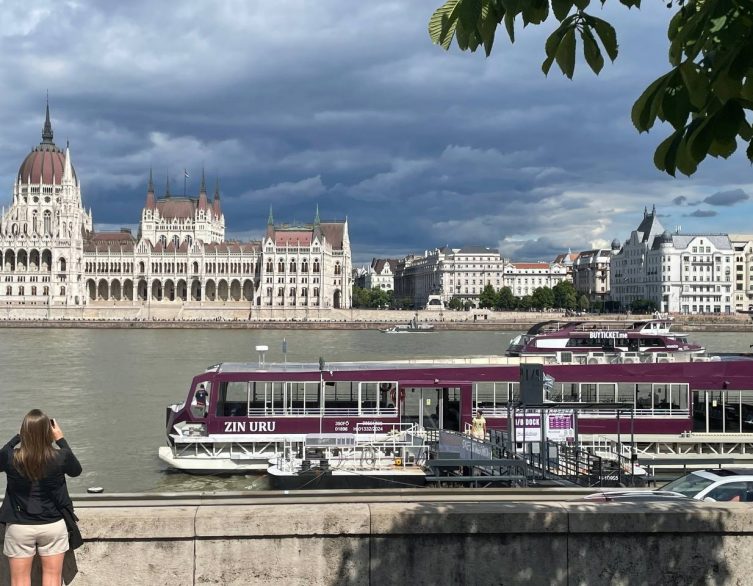
Budapest has come a long way in accessibility, with EU-backed projects like DANOVA accelerating change. Pair the app with the city’s flat Pest side for easy wheelchair strolls along Andrássy Avenue, or accessible boats on the Danube for Buda Castle views. Thermal baths like Széchenyi offer ramps and hoists, while major museums provide audio tours and braille maps—all cross-referenced in the app for one-stop planning.
Download at danovanext.com or scan the QR—it’s web-based, so no app store hassle. Test it before your trip: browse partners, simulate a journey from airport to Váci Street, and feel the confidence build. Travel should empower, not exclude, and DANOVA NEXT proves inclusive adventures in Budapest are not just possible—they’re the new standard.
Travel Without Limits in the Danube Heart
As the Danube flows through Budapest, so does a wave of innovation making the region truly open to all. DANOVA NEXT isn’t just tech; it’s a promise of dignity and independence, whether you’re chasing thermal springs, Christmas markets, or summer festivals. Fire up the app, chart your path, and discover a Budapest that rolls out the red carpet—literally and figuratively—for every visitor. Your accessible adventure starts here.
Related news
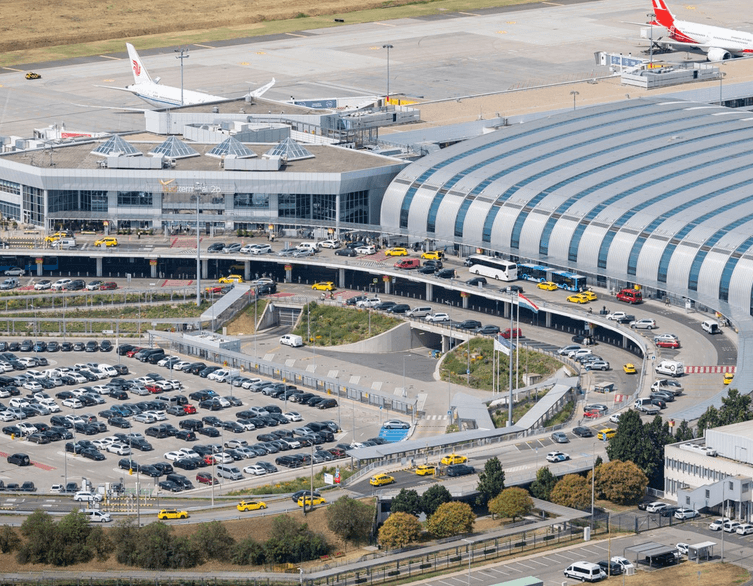
Budapest Airport Welcomes Its 19 Millionth Passenger – A New Chapter for Hungary’s Air Gateway
A Record-Breaking Year for Budapest Something truly extraordinary has happened in Budapest this year. For the first time in its 75-year history, Ferenc...
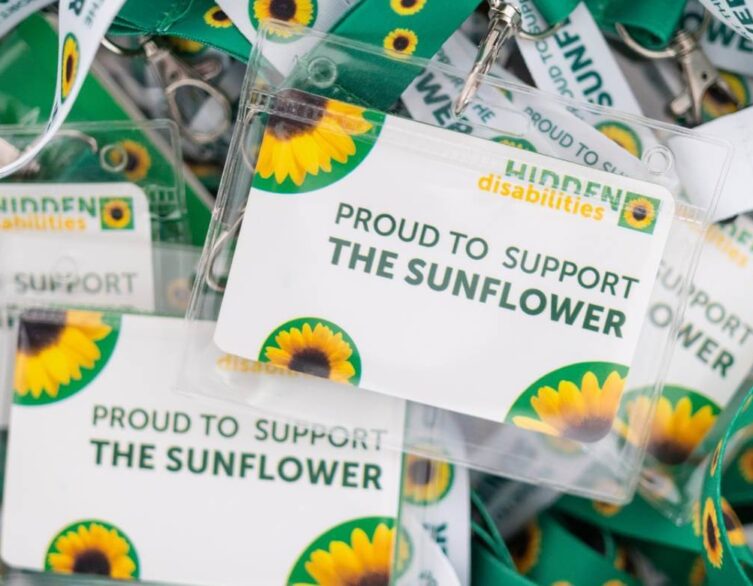
Budapest Airport Makes Travel More Accessible and Comfortable For Passenger With Hidden Disabilities
Budapest Airport, the main international airport serving the Hungarian capital, has recently implemented several new services aimed at making travel...