Celestial Wonders Over Budapest: The 2026 Solar Eclipse and a Year of Astronomical Magic
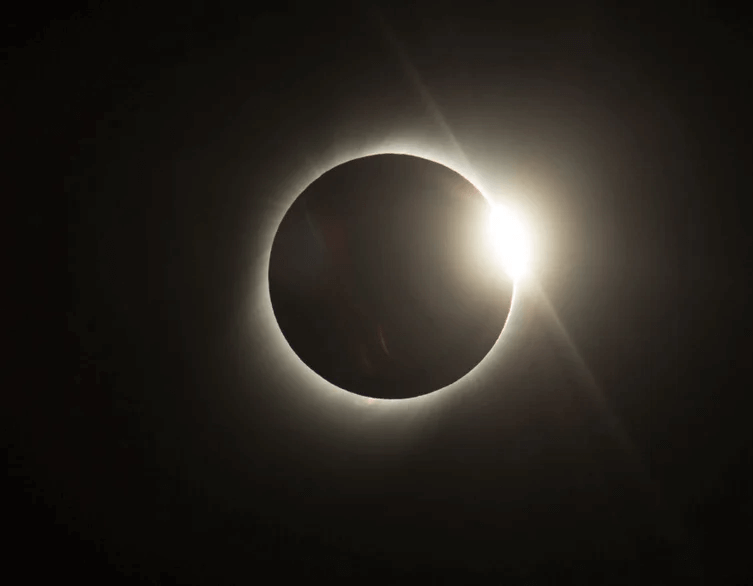
In 2026, the sky above Budapest will transform into a spectacular stage for some of the most breathtaking astronomical shows of the decade. Whether you’re an avid stargazer or a traveler seeking unique experiences, this year promises an extraordinary lineup of celestial events — no telescope needed. All it takes is a clear horizon, good timing, and a little cosmic curiosity.
The Solar Eclipse You Can’t Miss – August 12, 2026
The highlight of the year will unfold on August 12, 2026, when Budapest witnesses a dramatic partial solar eclipse at sunset. While parts of Spain and Iceland will experience total darkness, Hungary will see a golden spectacle as the Sun sets, partly covered by the Moon.
The eclipse begins around 7:22 p.m., reaching its most stunning stage at sunset, when the Moon will hide about 70 percent of the solar disk. Picture a glowing orange crescent — a thin “sun sickle” — sinking into the horizon and casting surreal light across the Danube. The last time a sight like this appeared was in 2003, and the next will not happen until 2039.
Best deals of Budapest












For the best view, head to the city’s hilltops — such as the lookout points on the Buda Hills — where the western sky opens wide. If you prefer the downtown side, rooftop bars or riverbank terraces offer a perfect combination of urban scenery and celestial drama. Don’t forget to use certified eclipse glasses to protect your eyes, as ordinary sunglasses are not safe for direct viewing.
A Night of Shooting Stars: The Perseid Meteor Shower
As night falls on the same day, the Perseid meteor shower will reach its annual peak, filling the sky with streaks of light. Between midnight and dawn, as many as 70–80 meteors per hour may be visible, even against the backdrop of city lights.
For an even clearer view, take a short trip outside the center — perhaps to a quiet park or open meadow on the city’s outskirts. There, you’ll see brilliant “fireballs” tracing across the summer sky, blending science and romance in one unforgettable spectacle.
A Red Dawn: The Partial Lunar Eclipse of August 28
Later that month, on August 28, early risers will be treated to a partial lunar eclipse. It begins at 4:33 a.m. and culminates before the Moon sets at 5:58 a.m., when Earth’s shadow covers nearly 90 percent of the lunar surface. During its peak phase, the Moon will glow in shades of deep red and copper — a perfect subject for sunrise photographers.
Ideal vantage points include high viewpoints overlooking the river or open spaces with an unobstructed view of the western horizon, where the dim morning light enhances the Moon’s fiery hue.
Planetary Encounters: When the Giants Align
Throughout 2026, Budapest will also host several planetary alignments that add sparkle to the calendar. These moments, when the brightest planets gather in the night sky, are best experienced during twilight.
In February, Mercury, Saturn, and Venus appear close to a slim crescent Moon. May brings a striking meeting of Venus and Jupiter — two dazzling beacons in the fading evening glow. On November 16, Jupiter and Mars rise together before dawn, their bright pairing visible even from the city center. Each event connects sky watchers with a cosmic rhythm that spans millennia.
December’s Grand Finale: The Geminid Meteor Shower
The final celestial show of the year will take place on December 14, when the Geminid meteor shower lights up the winter sky. Known for its rich, multicolored streaks, the Geminids often rival or surpass the famed Perseids in brilliance. With the Moon setting early this year, observers can expect dark skies and up to 120 meteors per hour. It’s the perfect grand finale to a year that invites everyone to look upward and rediscover the universe.
Where Science Meets Inspiration in Budapest
From the city’s observatories, which organize guided stargazing nights, to public spaces with sweeping views of the skyline, 2026 offers endless opportunities to blend science, beauty, and exploration. For visitors, these cosmic events aren’t just about astronomy — they’re about experiencing Budapest from a new perspective. Imagine watching the eclipse reflected in the river, snapping photos of the red-tinted Moon above the rooftops, or sharing a toast under the stars.
Each scene is a reminder that wonder can be found not only in monuments and architecture but also in the vast sky above. So, if you’re planning a trip to Budapest in 2026, mark these dates — because the heavens themselves will be putting on a show to remember.