Budapest’s Winter Dilemma: How Ice-Safe Are We Really Making the City?
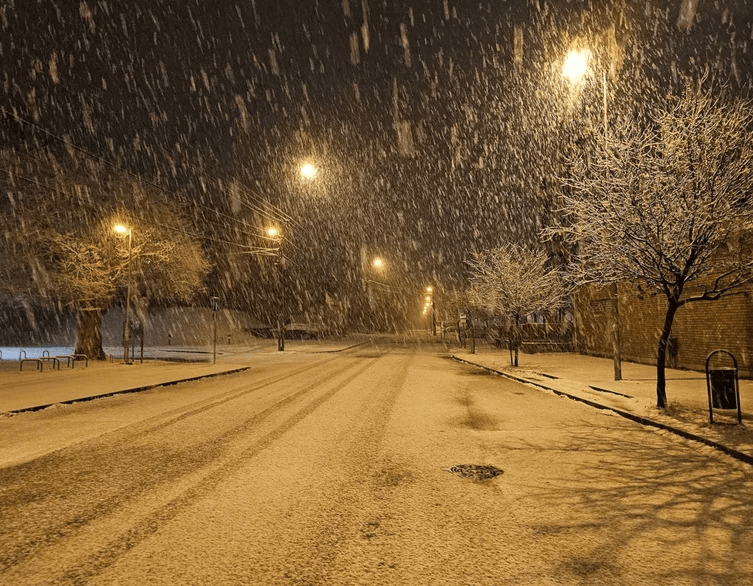
If you’ve ever walked through Budapest on a snowy winter morning, you’ve probably noticed the same thing: the sidewalks are often covered in a fine white powder that looks like salt. It’s there to keep the city safe, to stop people from slipping on icy paths, and to keep life moving when the Danube freezes and the streets turn slick. But what if that very safety measure is quietly harming the city’s green lungs?
Budapest’s chief landscape architect, Sándor Bardóczi, has been sounding the alarm: the widespread use of road salt (sodium chloride) on sidewalks and paths is doing serious, long-term damage to the city’s soil and trees. And it’s not just an environmental concern — it’s now a legal one too.
The Hidden Cost of “Safe” Sidewalks
When snow blankets the city, many property owners reach for the cheapest and most accessible solution: salt. It melts ice fast, it’s easy to spread, and it makes walking feel safer. But Bardóczi warns that this convenience comes at a steep ecological price.
Sodium chloride doesn’t just vanish when the snow melts. It seeps into the ground, where it “kills” the soil by making it saline. Salinized soil loses its structure, can’t absorb or drain water properly, and slowly turns into a lifeless, compacted layer. That’s bad news for the city’s trees, which rely on healthy soil to survive. Over time, the roots dry out, the trees weaken, and eventually, they die — a slow, invisible death that only becomes obvious when a once-proud avenue of linden or plane trees starts to thin out.
But the damage goes even deeper. Salt sterilizes the soil, wiping out the bacteria and fungi that plants need to absorb nutrients. Without this living soil community, even the hardiest urban trees struggle to thrive. As Bardóczi puts it, what feels like comfort in winter returns in spring and summer as the slow decline of Budapest’s green spaces.
A New Rule: Salt on Sidewalks Is Now a Violation
Many visitors and even locals don’t realize it, but since late 2024, using salt on sidewalks and other paved surfaces in Budapest is no longer just frowned upon — it’s against the rules. Under Government Decree 282/2024, it’s illegal to use any de-icing material on public sidewalks and paths that could harm nearby trees and plants. Since salt is proven to damage vegetation, spreading it on sidewalks now counts as a violation that can lead to fines.
Best deals of Budapest










The goal is simple: protect the city’s tree-lined streets, parks, and green areas, which are expensive to maintain and replace. Budapest’s parks and major roads have already switched to environmentally friendly alternatives, and now the expectation is that private property owners and residents do the same.
What Can You Use Instead of Salt?
So if salt is off the table, what can actually keep sidewalks safe without harming the city’s greenery? Bardóczi and city experts recommend several effective, eco-friendly options that are already widely used in Budapest’s parks and on many public paths.
Zeolite, a crushed volcanic rock, is a top choice. It doesn’t melt ice, but it creates a rough, grippy surface that prevents slipping, and it soaks up moisture without damaging plants. Wood chips and sawdust are also excellent: they provide great traction, break down naturally in spring, and can be easily swept up. Plain sand is another simple, completely harmless option that adds grip without any chemical impact.
For situations where melting ice is essential, potassium- and magnesium-based de-icers are much gentler on plants than regular salt. And in some cases, even NPK fertilizer can be used in small, controlled amounts — it helps melt ice while also feeding the soil, though it needs careful dosing to avoid over-fertilizing.
Winter’s Silver Lining: The Ecological Role of Cold
While icy sidewalks are a nuisance, Bardóczi also reminds us that deep, persistent frost plays a useful role in the city’s ecosystem. Long cold spells naturally reduce the number of overwintering pests, which helps keep trees and plants healthier in the coming growing season.
This doesn’t mean we should ignore safety, but it does mean that a little extra caution — slower walking, proper winter shoes, and using the right de-icing materials — can go a long way. The idea isn’t to make winter harder, but to make it safer for both people and the city’s green spaces.
What This Means for Tourists
If you’re visiting Budapest in winter, you’ll likely notice that many sidewalks and paths are treated with something that looks like sand or fine gravel rather than pure white salt. That’s the city’s greener approach in action.
As a tourist, the best thing you can do is simply be aware: walk carefully on icy surfaces, wear shoes with good grip, and appreciate that the city is trying to balance safety with sustainability. If you’re staying in an apartment or hotel, you might see staff using zeolite, sand, or wood chips instead of salt — and now you’ll know why.
A Shared Responsibility for a Greener Budapest
Keeping Budapest safe in winter is everyone’s job: the city, property owners, and even visitors. By choosing the right materials and respecting the new rules, the capital can stay walkable and safe without sacrificing its trees, parks, and the fresh air they provide.
So the next time you’re out on a frosty morning, take a moment to look at the ground. That gritty layer underfoot might not be salt — it might be Budapest’s quiet promise to protect its green heart, one sidewalk at a time.
Follow Budappest.com on Facebook
Related news

Snow Lovers and Cozy Hibernators: How Budapest Zoo’s Animals Handle Winter
Winter has truly arrived in Budapest, and while tourists are bundling up in scarves and sipping hot chocolate, the residents of the Budapest Zoo...
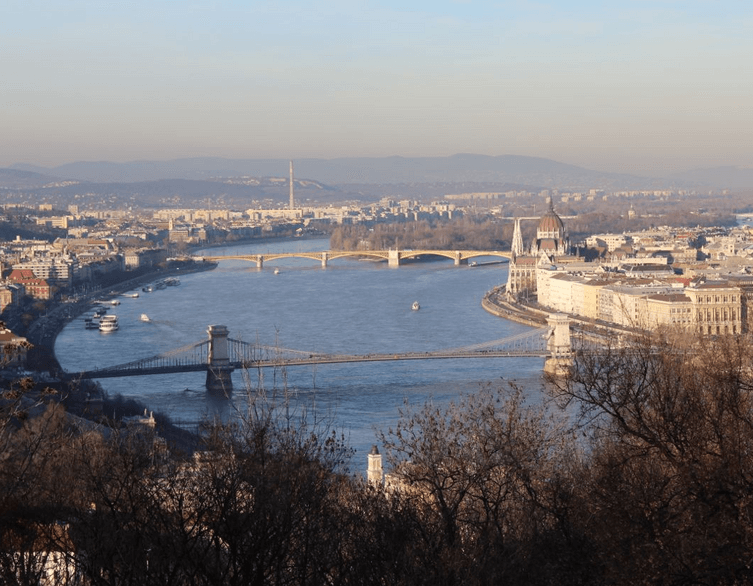
Budapest’s Winter Air Reality: Smog, Snow, and How to Breathe Easy
Budapest in winter is easy to romanticize: steaming thermal baths, fairy lights over the Danube, and cafés glowing like lanterns against the cold....
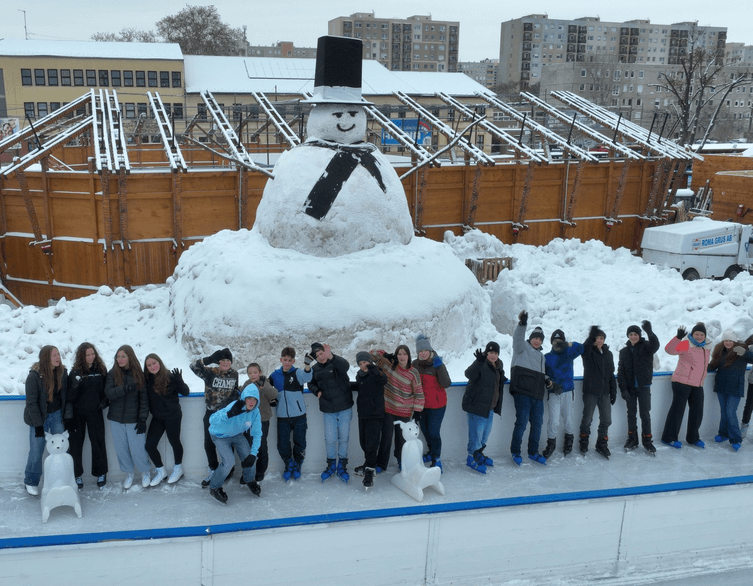
Hungary’s Coolest Celebrity: Meet the 7-Meter Snowman of Csepel
Move over, Parliament and Széchenyi Baths — Budapest has a brand-new star stealing the winter spotlight. He’s seven meters and twenty-five centimeters...
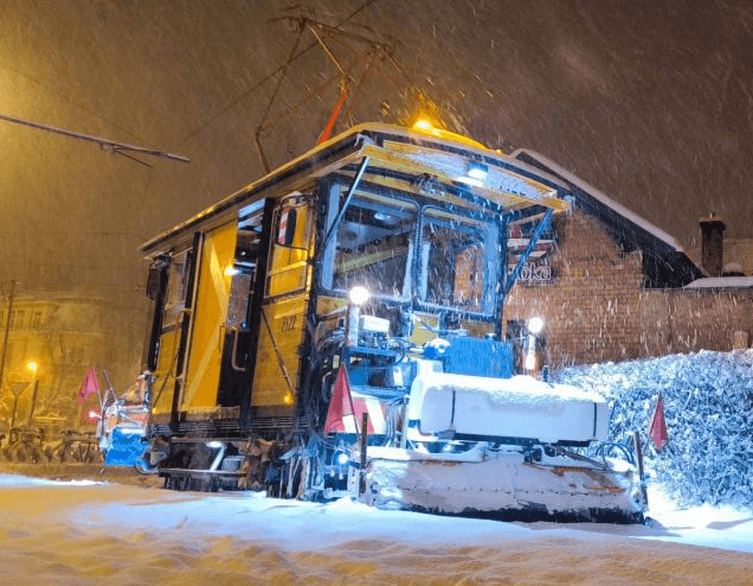
Meet HÓMUKI: Budapest’s Adorably Weird Snow-Eating Hero on Rails
Most cities deploy regular snowplows when winter hits. Budapest? Budapest sends out something called HÓMUKI—and if that name sounds like a friendly...
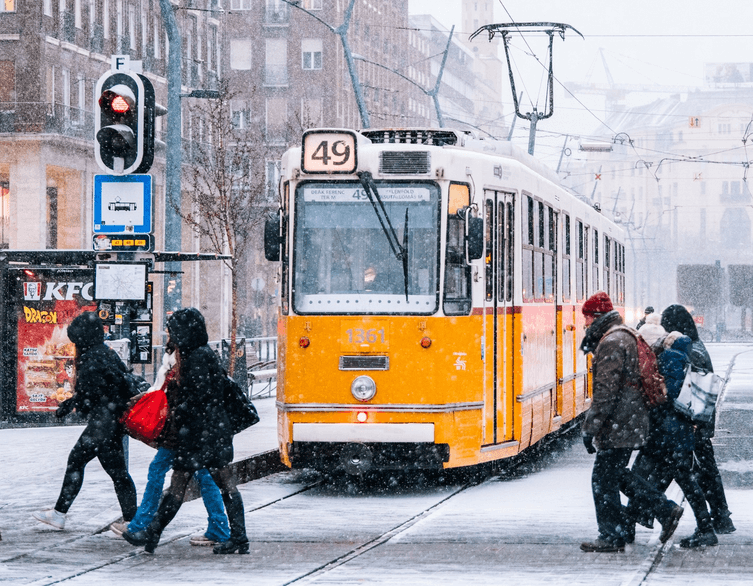
Heavy Snow and Cold in Budapest: What Tourists Need to Know Right Now
If you’re in Budapest or planning to arrive in the coming days, winter has truly arrived. Heavy snow is falling across the city, temperatures are...
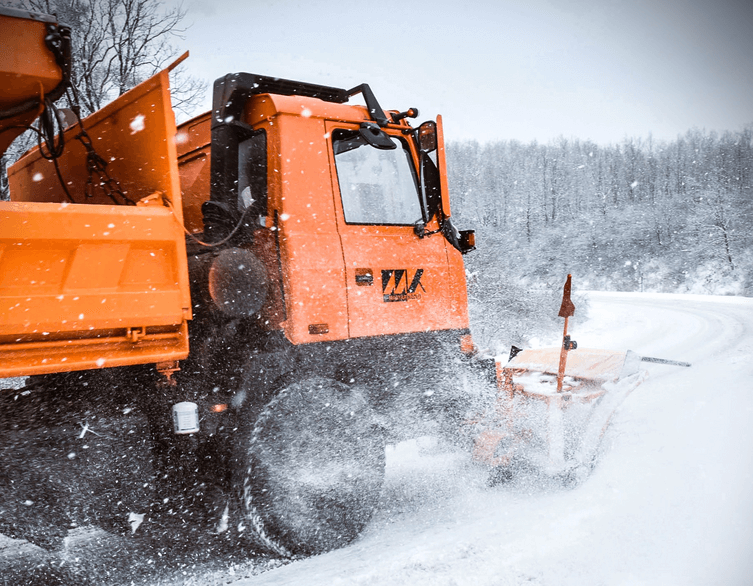
Snow Alert in Hungary: What to Know Before Hitting the Road
As Hungary braces for a deep winter spell, a wave of heavy snowfall, icy roads, and bitter cold is set to sweep across the country. This...