Budapest’s Winter Air Reality: Smog, Snow, and How to Breathe Easy
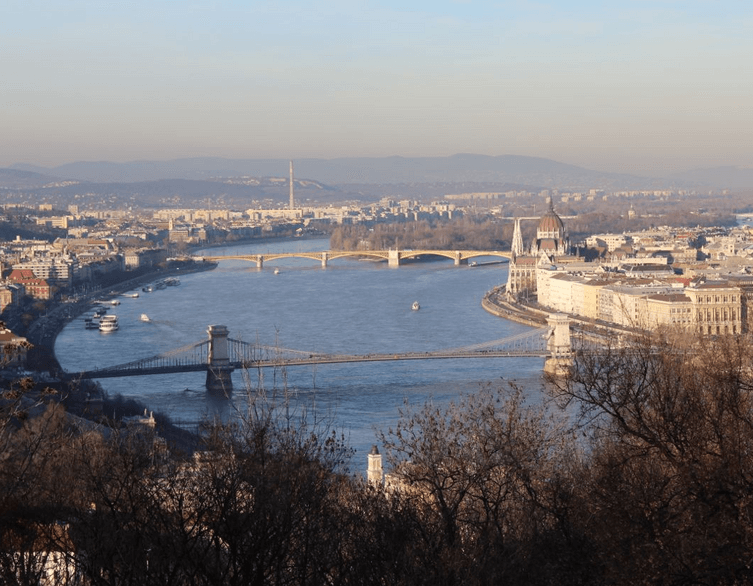
Budapest in winter is easy to romanticize: steaming thermal baths, fairy lights over the Danube, and cafés glowing like lanterns against the cold. Yet on certain days, when a grey lid of fog and smoke settles over the city, visitors notice something else too – a faint scratch in the throat, a bitter taste in the air, and a skyline blurred not just by mist, but by pollution. This is the unfiltered reality of Budapest’s winter air, and understanding it can actually make your trip richer, safer, and surprisingly more interesting.
When Winter Smog Moves In
On calm, windless days, cold air sinks into the Budapest “bowl,” while a slightly warmer layer of air settles above it like an invisible lid. In meteorology this is called an inversion, and in practice it means the pollution from cars and chimneys becomes trapped close to the ground instead of dispersing into the upper atmosphere. Tiny particles known as PM10 float in this trapped air, too small to see individually but large enough, in total, to turn the horizon milky and make every deep breath feel heavier than it should.
Locals often feel this most sharply in the evenings, when heating is at its peak and the city’s chimneys and boilers are working overtime. The surprising twist is that private heating and burning poor-quality fuels can play as big a role in winter smog as traffic itself, especially in outer districts and nearby commuter towns. From there, the smoke slowly drifts inward and collects over the inner city, where the basin-like geography of Budapest helps the haze accumulate between the facades of old buildings.
Inside the “Pollution Tunnel”
From the comfort of a car, it is tempting to think you are sheltered from all this. In reality, slow-moving traffic can be one of the worst places to sit on a smoggy winter day. Measurements carried out in a major Budapest junction showed that between idling vehicles in a traffic jam, the number of ultrafine particles in each cubic centimetre of air could soar to around 1.7 million, compared with only a few thousand on a truly clean day. At the same time, just a short distance away in the open square, the concentration dropped dramatically, revealing how much more polluted the air becomes when exhaust fumes are trapped between cars at bumper height.
Best deals of Budapest









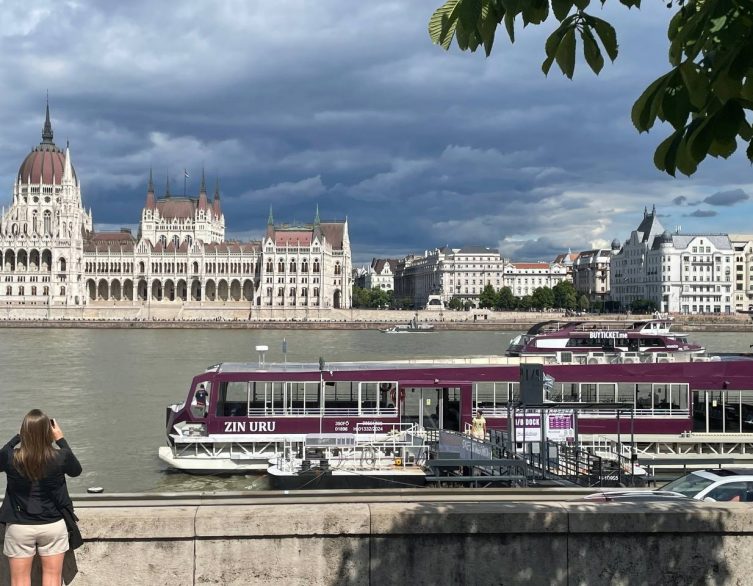
Other investigations have found that levels of pollutants such as benzene, nitrogen oxides and fine particulate matter are often significantly higher inside vehicles than on nearby pavements. Engines running at idle or under uneven loads produce emissions that linger in the “street canyon” formed by tall buildings, and fresh air vents then pull this mixture directly into the passenger compartment. In simple terms: that cosy, heated car in a Budapest traffic jam can expose you to more pollution than walking a parallel side street on foot.
New Buses, Old Chimneys and a Changing City
Budapest, however, is not simply surrendering to winter smog. In early January 2026, 25 brand-new Mercedes‑Benz Citaro C2G buses rolled onto the streets, built to meet the strictest modern environmental standards. They are the vanguard of a wider renewal programme that will see more than 330 low‑emission or electric vehicles replace older, smoky diesel buses by 2027. Each retired engine means fewer nitrogen oxides, less soot, and cleaner air along busy corridors, particularly on key routes linking Buda’s hills with the southern districts of Pest.
For visitors, this shift has two clear benefits. First, it makes public transport not just convenient but also a genuinely greener choice, aligning with the principles of sustainable tourism. Second, it slowly but steadily improves the overall air you breathe while exploring the city. Yet even with this modern fleet, experts are careful to stress that traffic is only one side of the story. Without upgrading outdated heating systems and reducing the use of poor-quality fuels in homes, winter air quality will still have difficult days. The city’s future depends on cleaner engines and cleaner chimneys working together.
Forecast: Snow, Wind – and Cleaner Air
If you are travelling in the coming days, the outlook is actually reassuring. The short-term forecast points to a changeable pattern with regular snow showers and frequent wind, and air quality is expected to remain generally favourable during this period. The following days may see slightly fewer snowfalls, but breezy conditions are still likely, which helps keep pollutants from stagnating above the city. For a winter visitor, this means plenty of good opportunities for outdoor sightseeing, from walks across the Chain Bridge to panoramic views from Gellért Hill.
It may sound ironic, but the very snow that many locals grumble about is one of Budapest’s best natural allies against smog. Falling snowflakes act like tiny cleaners, capturing particles as they drift down through the air and carrying them to the ground. Combined with wind, this process helps “rinse” the lower atmosphere, reducing the concentration of dust and smoke after prolonged stagnant periods. So while wet shoes and slushy pavements can be a nuisance, that fresh blanket of white is also a sign that the air overhead is being quietly scrubbed cleaner.
How to Enjoy Budapest and Still Breathe Easy
For foreign tourists, all of this might sound a little intense, but in daily life it simply means adding a bit of awareness to your plans, not avoiding the city. Before a morning run on Margaret Island or a long stroll through City Park, checking an air‑quality app is as easy as checking the temperature. On days when pollution is higher, you can swap outdoor activities for indoor ones: soak in a thermal bath, linger over coffee in a book‑filled café, or explore one of Budapest’s many museums while the air outside gradually improves.
Choosing public transport over taxis or rental cars gives you another small but meaningful way to support the city’s cleaner future. Those new articulated buses are designed to carry more people with fewer emissions, and riding them means you avoid sitting in the “pollution tunnel” of a traffic jam. Meanwhile, when the next snow shower arrives and the rooftops disappear under a white layer, you can take comfort in knowing that the city’s air is, quite literally, being washed. The view from Fisherman’s Bastion after fresh snow often feels sharper, crisper, and truer to the winter postcard image many travellers dream about.
A Winter Story Beyond the Postcard
In the end, Budapest’s winter air tells a story of contrasts: old habits and new technology, smoky chimneys and silent electric buses, stagnant fog and cleansing snow. For visitors willing to look beyond the surface, this story adds depth to the experience of the city. Budapest is not just a pretty backdrop of bridges and bathhouses; it is a living capital grappling with modern environmental challenges while steadily moving toward cleaner, clearer days.
As you wrap your scarf tighter on a January evening and watch the mist slide between the domes and towers, you are sharing a very real moment with the people who live here year-round. The more the city invests in cleaner transport, better heating, and smart planning, the more those winter mists will once again resemble what visitors want them to be: not a curtain of smog, but a soft veil over a capital learning, step by step, to breathe more freely.
Follow Budappest.com on Facebook
Related news
Budapest’s Winter Dilemma: How Ice-Safe Are We Really Making the City?
If you’ve ever walked through Budapest on a snowy winter morning, you’ve probably noticed the same thing: the sidewalks are often covered in...
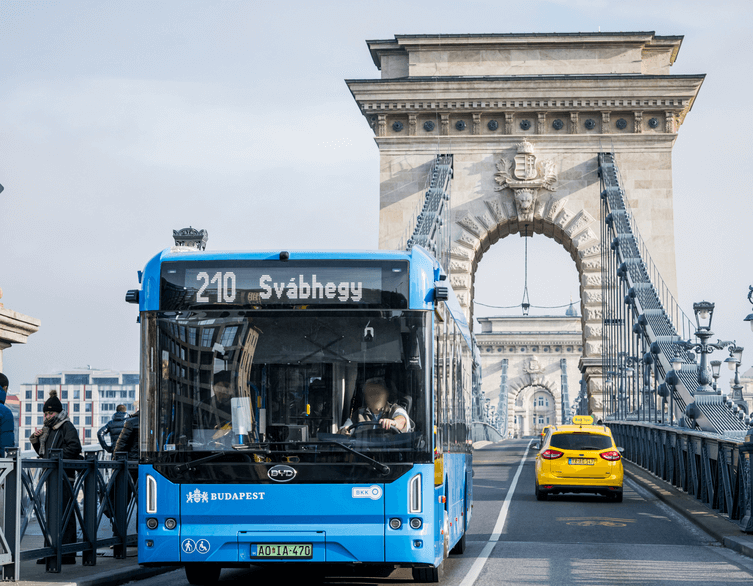
Budapest’s New Electric Buses: A Greener Ride for Tourists
Budapest is rolling out its first fleet of modern electric buses ahead of schedule, making public transport smoother, quieter, and more eco-friendly...
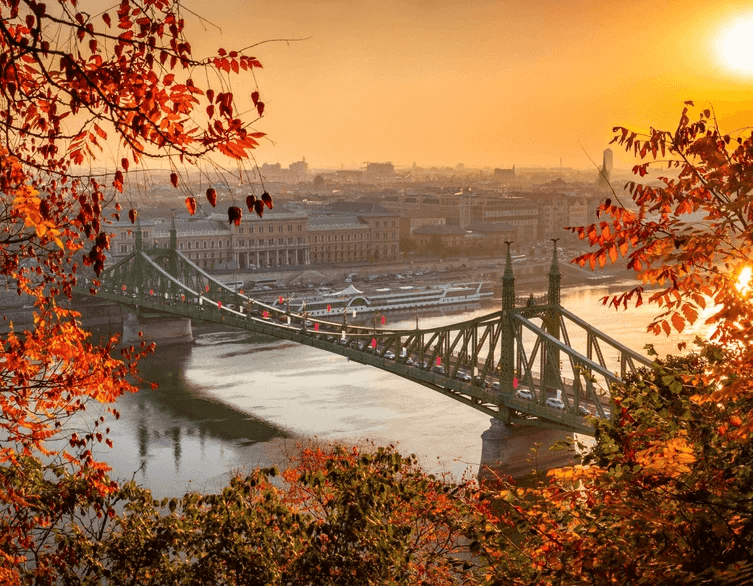
Budapest’s Green Side: Discovering Nature and Street Art in Hungary’s Capital
Budapest has a reputation as a bustling European metropolis filled with grand architecture, thermal baths, and vibrant nightlife. What many visitors...

Budapest Wins Global Recognition for Its Green Future
When you explore Budapest’s thermal baths, historic neighborhoods, and vibrant cultural scene, you’re experiencing a city that’s...

Budapest’s 2025 Participatory Budget: How Residents Voted to Make Their City Greener and More Livable
Budapest residents just made their voices heard in a record-breaking display of civic engagement. The city’s 2025 participatory budget cycle...
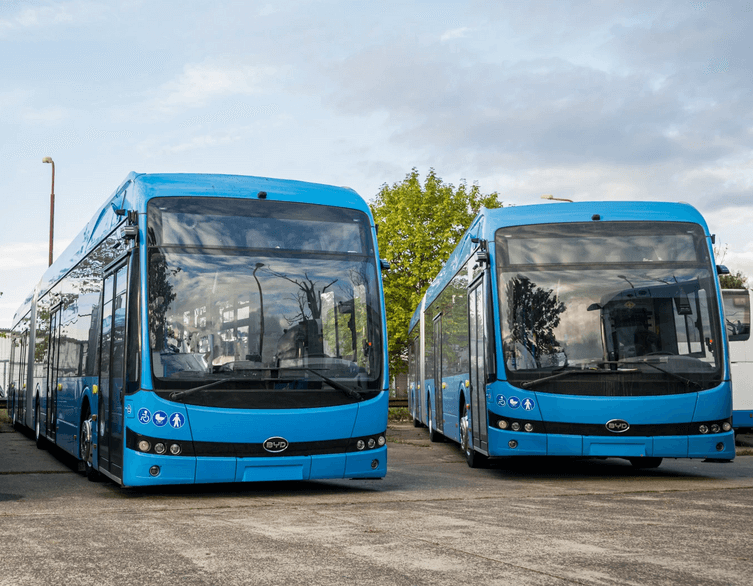
Budapest Takes a Leap into Green Transport: Welcome the City’s New Electric Articulated Buses
A New Chapter for Budapest’s Public Transport Imagine zipping through Budapest on a sleek, environmentally friendly bus that not only whispers...