Budapest’s Museum Nostalgia: Step Inside the World of “Once Upon a Time, There Was a Csemege”
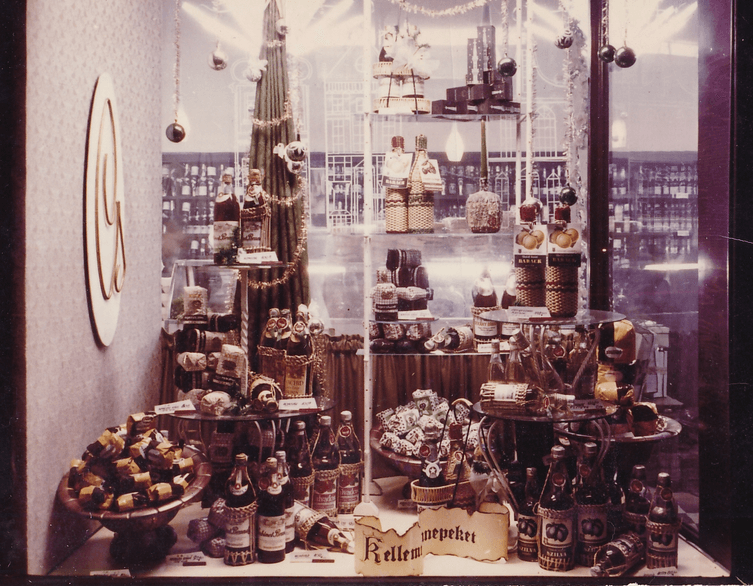
If you’re visiting Budapest and you’re curious about how everyday life once looked behind the Iron Curtain, there is a charming, very Hungarian way to experience it: step into the exhibition “Once Upon a Time, There Was a Csemege” at the Hungarian Museum of Trade and Tourism in Óbuda. From vintage coffee cups and candy boxes to strict service manuals and old shop counters, this temporary exhibition turns grocery shopping into a time machine, guiding you straight into the heart of socialist‑era Hungary.
A gourmet brand in a socialist world
Csemege was not just any grocery store chain. Founded in the early 1950s as Csemege Kereskedelmi Vállalat, it was created to showcase modern retail methods and a more refined product selection at a time when shopping usually meant long queues and limited choice. The very word “csemege” suggested something special, a promise that customers would find more than basic staples on the shelves. Stepping into a Csemege shop meant entering a slightly more elegant world, where a simple errand could feel like a small treat.
Part of the magic came from its roots. Csemege’s predecessor was connected to Julius Meinl, once the largest coffee roaster of the Austro‑Hungarian Monarchy and a major coffee and tea importer in Central Europe. That heritage is still visible in the exhibition: the atmosphere of the stores revolved around coffee, from the aroma of freshly ground beans to the elegant glasses used to serve simple and double espressos at the in‑store bars. Gift baskets often combined obligatory liqueur‑cherries and vermouth with high‑quality coffee and tea, reminding visitors that even under socialism, small luxuries had their place.
An immersive trip into Hungarian everyday life
The exhibition recreates the visual and emotional world of these iconic grocery stores with remarkable detail. As you walk through the space, you’re surrounded by original shop furniture, scales with tiny weights, coffee grinders, branded work coats and cash registers, all bearing the unmistakable Csemege logo. That logo, charmingly retro yet surprisingly timeless, appears on everything from porcelain coffee cups to shop signs, showing how strongly branding already shaped the customer experience decades ago.
Display cases are filled with chocolate boxes and confectionery packaging that look like miniature works of art. Many of these boxes once carried paintings, illustrations, or full graphic series, and children loved to collect them, later turning them into pencil cases or small treasure chests. Today, such design quality is often reserved for expensive craft products, but at the time these beautifully decorated sweets were accessible to almost everyone. The exhibition invites you to imagine the crinkling sound of cellophane, the excitement of opening a gift basket, and the way these simple objects turned everyday moments into celebrations.
Service as a craft, not a chore
One of the most fascinating aspects for modern visitors is the strict, almost theatrical service code that governed life in Csemege stores. Employees weren’t just taught how to weigh cold cuts or stack shelves; they followed a detailed rulebook on how to greet customers, how to behave while serving, and even how to say goodbye as the guest left the shop. There were written guidelines on personal hygiene, suitable fragrances, and even what to do about bad breath, all in the name of creating a flawless customer experience.
At the cash desk, weighing and pricing items required patience and precision. Clerks used mechanical scales and small weights, turning every purchase into a careful ritual. It was a slower rhythm than today’s barcode scanners, but it allowed for something that is often missing in modern retail: conversation. Between measuring sugar and wrapping cold cuts in paper, staff might ask how a customer was doing, what family event they were shopping for, or whether the konyakos meggy and aspic cold cuts were for a birthday or a holiday visit. The exhibition brings back this sense of human connection that once defined a simple trip to the store.
Best deals of Budapest










Coffee grinders, casino eggs, and clever tricks
The section dedicated to coffee culture is especially evocative. Old‑fashioned grinders stand as symbols of a time when buying coffee meant seeing and hearing it ground in front of you. The exhibition recalls a particularly resourceful habit: some people would walk from grinder to grinder, tapping the metal funnels to collect leftover grounds that had stuck inside. With enough persistence and a tour of several shops, you could gather ten dekagrams of coffee without paying a single forint — a tiny glimpse into the everyday ingenuity of Hungarian shoppers.
Food also tells stories. One of the stars of the cold buffet was the kaszinótojás, or “casino egg,” a stuffed egg dish sold for seven forints per piece. It was the go‑to choice for birthdays, office Christmas parties, and family “visits” — an old‑fashioned social ritual that barely exists today. Buying ready‑made cold platters at Csemege was an affordable, practical alternative to cooking for a crowd, and everyone loved these familiar flavors. The exhibition shows that many of these dishes have survived and can still be found in large supermarkets, linking the past directly to the present.
A logo, a language, and a lasting legacy
Beyond objects and food, “Once Upon a Time, There Was a Csemege” also explores how deeply the brand embedded itself in Hungarian language and memory. The Csemege logo is pure retro, yet it remains warm and instantly recognizable. Because it appeared on so many different surfaces — from signs and uniforms to porcelain cups — it became a visual shorthand for quality and familiarity. Even today, the word “csemege” in Hungarian is still used as a synonym for small neighborhood grocery shops, and many stores across the country continue to carry the name, even if they are no longer part of the original chain.
The exhibition doesn’t just document objects; it recreates an atmosphere. Shop windows are arranged as they once were, inviting passersby to daydream about which sweets or spirits they might buy for the next family celebration. This kind of imaginative window‑shopping is itself a lost art, and the museum gently brings it back to life for a new generation.
Practical information for your visit
“Once Upon a Time, There Was a Csemege” is hosted by the Hungarian Museum of Trade and Tourism (Magyar Kereskedelmi és Vendéglátóipari Múzeum) in Óbuda, the historic northern district of Budapest. The museum sits in a part of the city where cobblestone streets, old façades, and quieter squares already give the feeling of stepping back in time, even before you hang your coat in the cloakroom and fully “shift gears” into the world of the exhibition.
The show opened on December 12, 2025, and is scheduled to run until September 13, 2026, giving plenty of time for travelers planning a spring or summer trip. Óbuda is easily reached by tram or bus from the city center, and you can combine your museum visit with a stroll along the Danube or a coffee in one of the nearby cafés.
Why this exhibition belongs on your Budapest itinerary
For foreign tourists, this exhibition offers something you won’t find in guidebooks focused only on thermal baths and ruin bars: an intimate, witty, and deeply human portrait of everyday life in 20th‑century Hungary. It shows how people shopped, how they hosted guests, what they gave as gifts, and how much effort went into making simple things — like a box of chocolates or a cup of coffee — feel special.
Whether you’re a history lover, a design enthusiast, or simply someone who enjoys authentic local stories, “Once Upon a Time, There Was a Csemege” is a gentle, engaging way to understand Hungary from the inside. It proves that even a grocery store can become part of a country’s cultural heritage — and that sometimes, the best way to get to know a city is through the memories hidden on its shelves.
Related events