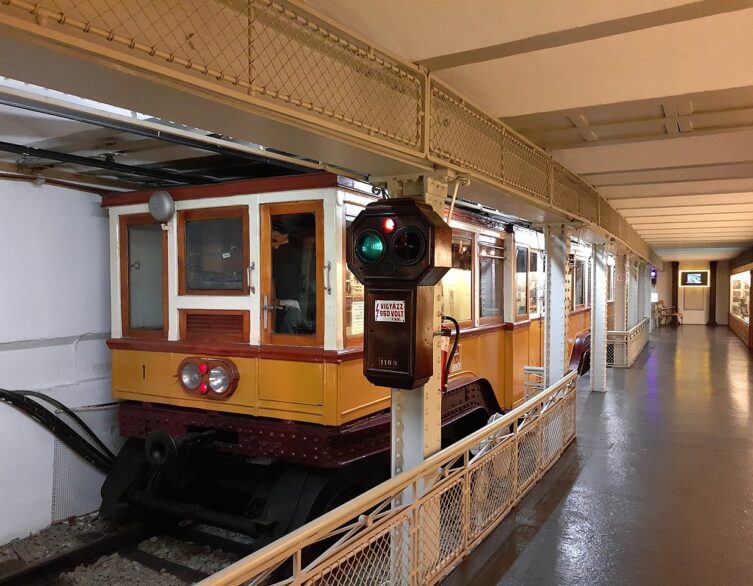
Budapest’s Historic M1 Metro: Major Renovation and Extension on the Horizon
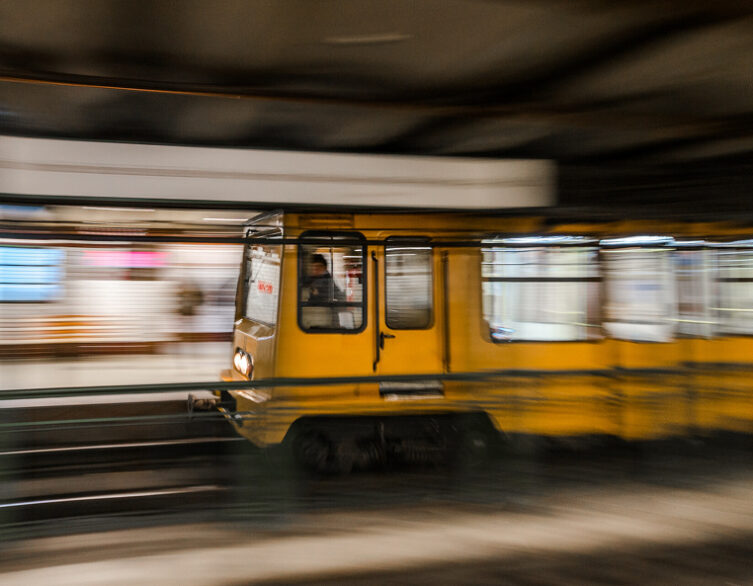
Budapest’s historic M1 metro line, the Millennium Underground, is on the cusp of a transformative upgrade that promises to blend its rich legacy with modern efficiency. Foreign visitors already adore this charming yellow line for its elegant stations and easy access to top attractions, but exciting plans for renovation and extension to Rákosrendező railway station could make it even more indispensable during your trip.
A Timeless Journey Under Budapest’s Streets
Imagine stepping into a time machine disguised as a metro: the M1, opened in 1896 by Emperor Franz Joseph, was the first underground railway on mainland Europe and the world’s second after London’s Tube. Running northeast along the grand Andrássy Avenue—a UNESCO-listed boulevard lined with neo-Renaissance palaces—it whisks you from the bustling Vörösmarty tér near the Danube to the leafy expanses of City Park in just minutes. Its iconic yellow trains, some over 50 years old, evoke a nostalgic charm that feels worlds away from sleek modern metros.
For tourists, the M1 is a gateway to Budapest’s soul. Hop off at Opera station for the opulent Hungarian State Opera House, or ride to Hősök tere for Heroes’ Square’s Millennium Monument and the Museum of Fine Arts. Széchenyi fürdő stop delivers you straight to Europe’s largest thermal spa, while nearby lies Budapest Zoo and the fairy-tale Vajdahunyad Castle—perfect for a day blending culture, relaxation, and whimsy.
The Urgent Call for Renewal
Yet, beneath this vintage allure lies pressing reality: the M1’s infrastructure hasn’t seen a full overhaul in 30 years, with trains averaging over five decades in service. Budapest Transport Centre (BKK) officials, including Deputy CEO Ádám Bodor, emphasize that modernization is non-negotiable to ensure safety and reliability for the 80,000 daily riders. The current Mexikói út depot and signaling systems are outdated, limiting the line’s potential amid the city’s growing tourism boom.
Recent city council discussions highlight the line’s starring role in Budapest’s mobility strategy. Plans include full accessibility upgrades, new signaling with continuous train control, and surface improvements around key areas like Mexikói út—all while preserving the historic stations’ secession-style pavilions that delight photographers.
Best deals of Budapest










Extension Dreams: Reaching Rákosrendező
The headline news is the proposed 3km extension northward from Mexikói út to Rákosrendező railway station, following an existing motorway corridor. This “realistic first phase” would add a new station under the M3 highway entrance, create a seamless tram 1 interchange at Hungária körút, and integrate with the massive Rákosrendező redevelopment—a €800 million hub blending rail, green spaces, and urban renewal. For visitors, this could mean smoother connections to northern Budapest sights, easing day trips beyond the classic Pest-Buda core.
Timeline-wise, preliminary market consultations kick off this February 2026, with conditional procurement decisions by April and design contracts possibly signed next spring. Full tender docs might arrive by 2029, marking the end of the M1 as we know it.
Funding Hurdles and Bright Prospects
Financing remains the wildcard: BKK eyes EU funds via a two-year-old application, but a prior government-city agreement assigns costs to the state for both upgrades and extension. Until secured, everything stays conditional—yet optimism runs high, building on past investments like the 2024 HUF 10 billion boost for prep work.
For you as a foreign tourist, these changes signal an even better Budapest experience ahead. While riding the current M1, snap photos of its restored 1896 splendor and dream of the expanded network. Grab a BudapestGO app pass for seamless travel, and pair your metro jaunt with Andrássy Avenue strolls or a thermal soak—history and innovation, all under one line.
Hozzáadás a következő lépéshez
Related news
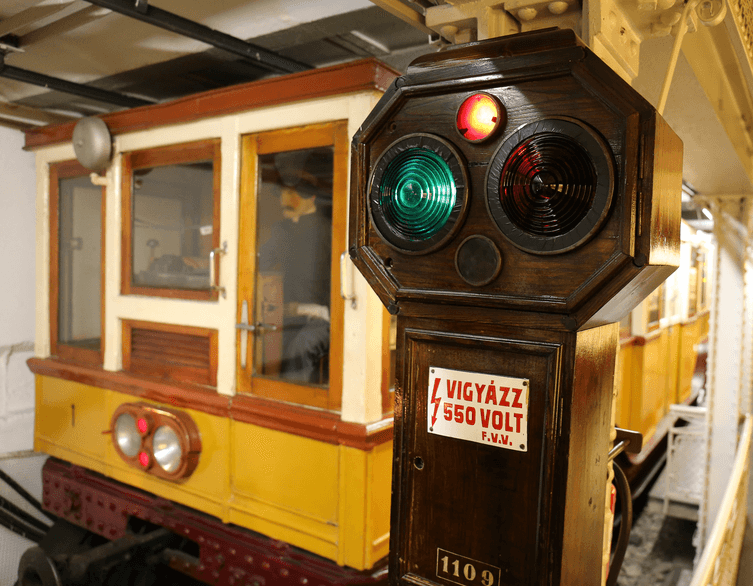
Budapest’s Underground Railway Museum Celebrates 50 Years of Preserving Metro History
Fifty years ago today, on October 28th, 1975, Budapest opened a museum in one of the most unusual locations imaginable—inside an actual abandoned...
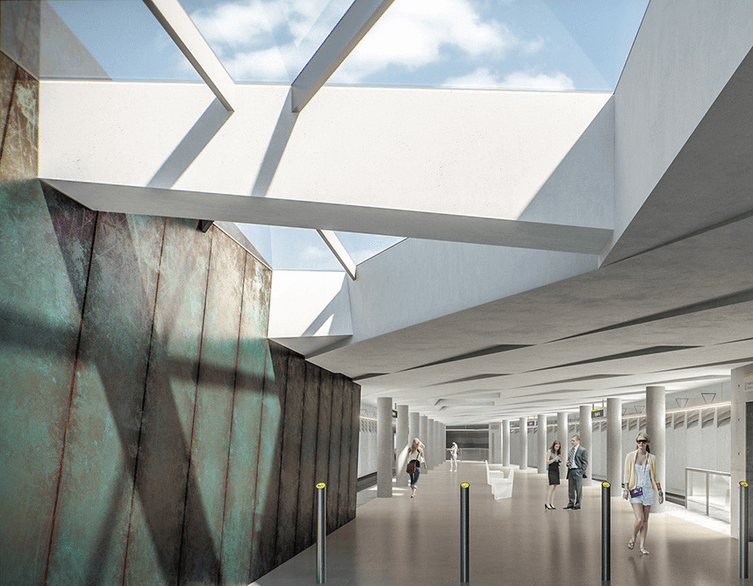
Budapest’s Iconic Metro Line Reimagined: A New Era for the Millennium Underground
Budapest stands on the brink of a revolutionary transformation, and at the heart of this evolution is the legendary M1 Metro—the Millennium Underground...
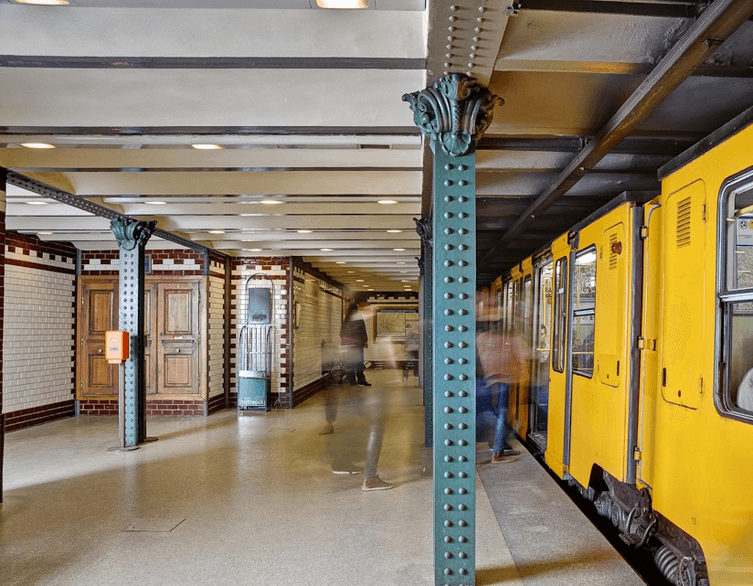
Budapest’s M1 Metro Line: A Timeless Icon on the Brink of Transformation
The Millenniumi Földalatti Vasút, or M1 metro line, is not just a transit system but a living piece of history that reflects Budapest’s remarkable...
Related attractions