Budapest Zoo: Keeping It Green and Warm Even in the Coldest Winter

Did you know that you might be sharing your warm thermal waters at the Széchenyi Bath with red pandas? Well, almost! While you’re soaking under the steam clouds of Budapest’s most iconic spa, your spa’s leftover thermal heat is busy keeping the city’s zoo animals cozy next door. It’s a heartwarming story of relaxation, sustainability, and very fluffy mammals enjoying the wellness lifestyle as much as any tourist.
From Spa Bliss to Hippo Happiness
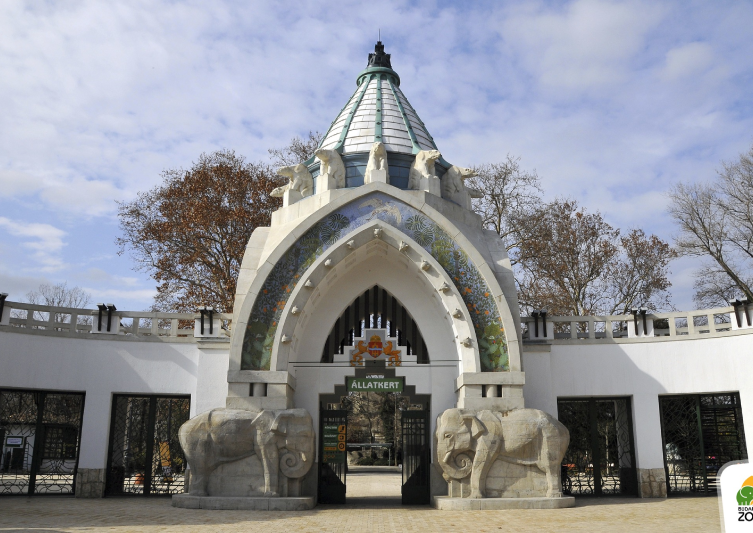
Budapest is known as the City of Spas, but few know that its famous waters don’t just pamper humans. The Budapest Zoo & Botanical Garden, located right next to the Széchenyi Thermal Bath in City Park, gets part of its winter heating from the same geothermal source. The zoo cleverly reuses the waste heat from the 77°C thermal water pumped from 1,240 meters underground — the same water that makes your Széchenyi soak so relaxing.
This ingenious, eco-friendly heating system reduces the zoo’s carbon dioxide emissions by 500 to 700 tons every year. It was built more than a decade ago with the help of the European Union, and it’s such an impressive example of sustainable design that even EU energy officials have visited just to see how Budapest keeps its elephants warm in style.
Best deals of Budapest












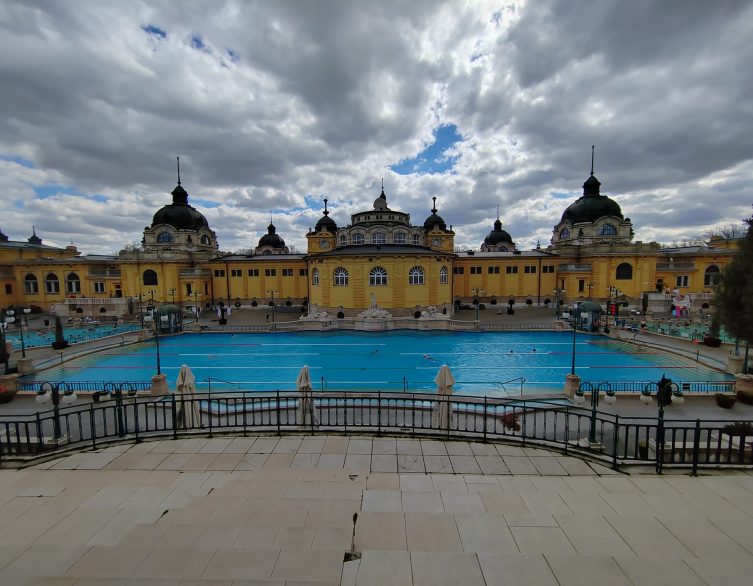
So next time you dip into that steaming blue pool under the baroque arches of Széchenyi, remember: the hippos, elephants, and lemurs next door are toasting you back — in spirit, and thanks to your bathwater.
Who Needs Wool Coats When You Have Science?
Not all animals dream of winter getaways in the tropics. Some simply grow their own. At Budapest Zoo, animals come from just about every climate zone on Earth. The zookeepers and environmental engineers work together to make sure everyone — from Arctic foxes to tropical parrots — stays in their comfort zone year-round.
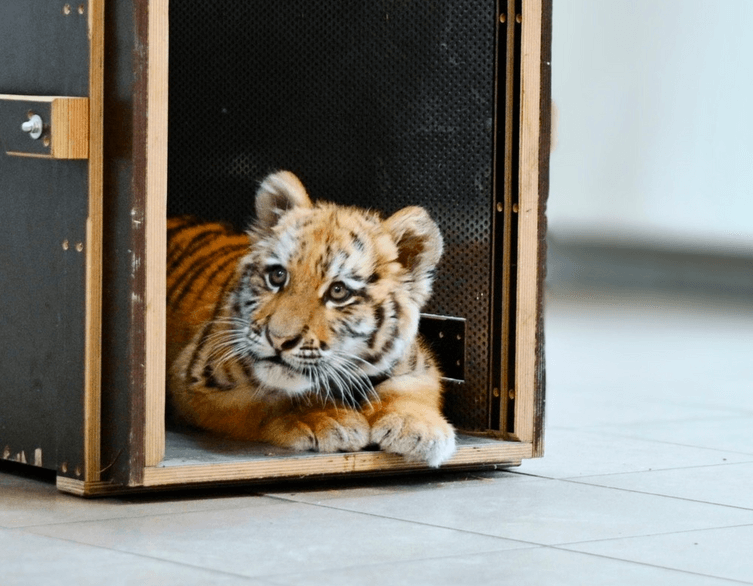
The Siberian tigers don’t even blink at snow. Their ancestors lived through winters much harsher than Hungary’s, and their dense, multi-layered fur insulates them better than any human coat money can buy. The two-humped camels, often nicknamed “ships of the desert,” are also surprisingly winter-hardy — their native range includes parts of Mongolia and Kazakhstan, where winter temperatures regularly drop below –30°C. They sport thick, woolly fur during the cold months and shed it in great tufts when spring arrives, like overenthusiastic festival-goers at a haircut stand.
But then there are the decidedly more southern-minded residents — monkeys, reptiles, and birds who prefer their winters as mild as the spa days their human audience enjoys. These animals rely on modern heating powered by Széchenyi’s geothermal warmth. You could say Budapest has achieved the impossible: creating a “wellness zoo” for creatures great and small.
How Budapest Zoo Turned a Bathhouse Into a Boiler Room
It all starts at the Szent István thermal well, the same that feeds Széchenyi. Since the water is far too hot to pump straight into the baths, it must be cooled first. Instead of letting that heat go to waste, Budapest Gyógyfürdői és Hévizei Zrt. (the company managing the baths) passes it through a heat exchanger, which transfers the thermal energy to a secondary water system.
From there, underground pipes carry the warmth under the Animal Park ring road, all the way into the zoo, where it lands in the Elephant House’s basement distribution center. This clever underfoot network supplies heat to 29 animal houses via 15 internal heating hubs. Even the sharks in the “Cápasuli” aquarium enjoy toasty water temperatures — all thanks to that same Széchenyi spirit of comfort and care.
The result is a brilliantly sustainable setup: no smoke, no soot, and a lot of happy paws and claws. Budapest’s Zoo has effectively merged thermal wellness with conservation, saving both money and the environment — a win-win for animals, visitors, and the city’s green goals.
A City That Shares Its Warmth
Budapest Zoo’s geothermal heating system is more than a technical success. It’s a story of how old-world charm and modern sustainability can work hand in hand. After all, this is a city where 19th-century thermal baths coexist peacefully with 21st-century green initiatives — and where even the penguins have a smaller carbon footprint than you might expect.
So when you’re next wandering around the zoo on a crisp winter morning, watching red pandas stretch lazily on a heated branch or lemurs enjoying their steamy indoor paradise, just know that part of that warmth once flowed through the Széchenyi’s pools.
It’s a wonderful circle of life — filled with science, steam, and a shared love of comfort. Some animals embrace their fluffy winter coats to face the snow, while others prefer to melt into their own geothermal wellness session. Either way, Budapest, as always, proves that when it comes to keeping things warm, the city’s experts know how to turn up the heat.
Related news

Budapest Zoo Baby Boom 2026 – Adorable New Arrivals for Tourists!
Budapest Zoo is buzzing with adorable baby animals right now, from fluffy squirrel monkey kids to waddling penguin chicks – perfect timing for...

Snowy Budapest: Winter Magic Meets Caution (and a Lot of Snowplows)
If you thought Budapest couldn’t get any prettier, try seeing it under a fresh blanket of snow! The Hungarian capital is now shimmering in white...

When Budapest Freezes Over: How the City Stays Toasty in Arctic Januarys
If you’ve been strolling along the Danube lately, wondering if your eyelashes might actually freeze in place, you’re not imagining things. Budapest’s...

Budapest Wrapped 2025: A Year the City Outdid Itself
If cities had Spotify accounts, Budapest Wrapped 2025 would be the playlist everyone’s talking about. Forget your top artists or guilty-pleasure...

Winter Coats and Life Goals: What Budapest Zoo’s Big Cats Can Teach You About Post-Holiday Nutrition
The Christmas holidays may be over, but the festive glow is still going strong in Budapest – and not just for humans. Somewhere between your third...
A Tiny Roar in Budapest: The Story of the Little Tiger Cub Capturing Hungary’s Heart
Budapest’s beloved zoo has a new star — a tiger cub whose story is as unexpected as it is heartwarming. What began as a police operation in a...

Fight the Shortening Days with Relaxing Baths and Sauna Marathons at Széchenyi Baths
Embrace the Warmth on Cold, Dark Evenings As the days grow shorter and colder, with damp and chilly weather setting in, it’s natural to want to...

Update! – Soaking in the News: Széchenyi Thermal Bath Introduces a 14+ Policy
Few experiences feel more quintessentially Budapest than slipping into the steamy, mineral-rich pools of the Széchenyi Thermal Bath. From August...
Related events
Related attractions
The Budapest Zoo & Botanical Garden: The Wonders of Nature In The Heart of Budapest
The Budapest Zoo & Botanical Garden is one of the oldest zoos in the world and a must-see attraction for any foreign tourist visiting Hungary’s...
Széchenyi Thermal Bath: Budapest’s aquatic gem
The Széchenyi Thermal Bath, located in the heart of Budapest city, is one of the largest and most iconic thermal baths in Europe. Boasting an impressive...