Budapest with a Heart: Discover the City through Its Local Heroes
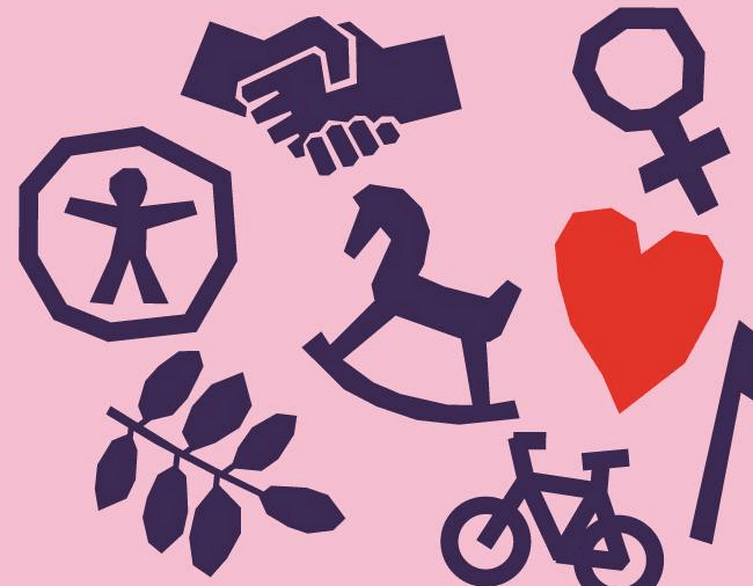
When you first arrive in Budapest, it’s easy to be swept away by the Danube, the thermal baths, and the ruin bars. Yet there’s another side to the city that most guidebooks barely mention: a network of local organisations quietly working every day to make Budapest greener, fairer, and more welcoming for everyone who lives here – and for you as a visitor too.
A City Where Trees, Art and People Matter
Imagine walking along a shady boulevard in August, when the heat usually clings to the streets. The cool air you feel under the trees is not an accident: it’s partly thanks to the 10 millió Fa Alapítvány (10 Million Trees Foundation), a Budapest-based community movement that has already planted around 80,000 trees in 21 of the city’s 23 districts, often with the help of thousands of volunteers. Their small urban forests, park trees, and school alleys are designed to reduce the urban heat-island effect and improve air quality, making your city walks more pleasant and healthier.
Budapest’s cultural life is also shaped by unique initiatives you might never hear about unless someone points them out. The Baltazár Színház Alapítvány runs Hungary’s only professional theatre company made up of actors living with disabilities, creating high-quality performances that challenge stereotypes and invite audiences into a truly inclusive cultural experience. If you’re looking for something special beyond mainstream theatre, catching one of their shows in Óbuda can be a powerful way to connect with a more authentic, human side of the city.
Best deals of Budapest






Democracy, Children’s Rights and Everyday Life
As you explore the city’s historic streets, you’re walking through a living laboratory of democratic innovation. DemNet, a Budapest-based organisation, has helped turn the capital into a Central and Eastern European centre of “deliberative democracy”, introducing citizens’ assemblies where everyday residents – sometimes hundreds of them – directly influence municipal decisions in districts like the 2nd, 6th, and 11th. This quiet participatory process shapes everything from public spaces to local policies, even if you never notice it while enjoying a coffee on a sunny square.
Families travelling with children will probably sense another layer of care in the city’s institutions. The Hintalovon Gyermekjogi Alapítvány (Hintalovon Child Rights Foundation), headquartered in Budapest since 2016, works with schools, universities, and child-protection services to make sure children’s rights are understood and respected in everyday practice. Through online training, counselling, and educational materials, they have already supported thousands of parents, professionals, and young people, which also means that schools, cultural spaces, and even some tourist-facing institutions are increasingly aware of how to create safe and supportive environments for kids.
Participating, Not Just Watching
If you like your city trips to be more than passive sightseeing, Budapest offers plenty of ways to become part of the story. The Káva Kulturális Műhely is a long-running independent theatre group that specialises in participatory performances for children, young people, and adults, where the audience is invited to think together about social, ethical, and generational questions. Instead of offering ready-made answers, their plays open up conversations about topics like housing, climate anxiety, or the realities of education in Hungary. Joining one of their sessions can turn an evening in Budapest into a memorable, thought-provoking encounter.
The Magyar Kerékpárosklub (Hungarian Cyclists’ Club) has spent over two decades making Budapest more bike-friendly, and you’ll feel the impact the moment you rent a bicycle or hop on a shared bike. Thanks to their advocacy, new bike lanes and safer routes have appeared along major streets like Andrássy út, the Nagykörút, and the riverside embankments, turning cycling into a convenient way for tourists to move between Buda and Pest. Their famous “I bike Budapest” rides regularly bring tens of thousands of cyclists onto the streets, celebrating a vision of a cleaner, calmer city where getting around on two wheels is part of everyday life.
Social Solidarity Behind the Facades
Behind the elegant façades and vibrant nightlife, Budapest is also a place where social challenges are taken seriously by dedicated local organisations. The Menhely Alapítvány has been working for more than 35 years to support people experiencing homelessness and deep poverty in the capital. Their services range from day centres and shelters to counselling, storage for personal belongings, and outreach work on the streets, helping thousands of people every year to stabilise their lives and find pathways back into housing and work. While you may mostly notice their presence in the form of the street magazine “Fedél Nélkül”, their broader impact shapes how the city responds to its most vulnerable residents.
Similarly, the Utcáról Lakásba! Egyesület (“From Street to Home” Association) believes that a dignified life starts with secure housing, and has developed pioneering “Housing First” programmes and a social housing agency model in Budapest. Their projects provide independent flats and social support to hundreds of people who have faced homelessness or severe housing insecurity, with more than 90 percent of tenants managing to keep their homes long-term. When you walk through revitalised neighbourhoods or see renovated apartments in once-run-down buildings, you’re sometimes looking at the invisible work of such initiatives.
Inclusion, Equality and a Different Kind of City Break
Budapest is also home to organisations that focus on gender equality and the rights of people with disabilities, adding another layer to the city’s character. The Motiváció Alapítvány has been working for over three decades to support people with disabilities and health-related work limitations to live independently and participate fully in society, offering services like supported living, job-placement programmes, and legal counselling in several districts. Their work contributes to making public institutions, workplaces, and services more accessible – something you might notice in the form of step-free entrances, accessible information, or trained staff in parts of the city.
The PATENT Egyesület, a feminist legal-advocacy organisation based in Budapest since 2006, provides free legal help to women who are victims of domestic and sexual violence and campaigns for stronger protection and better institutional responses. With thousands of legal consultations and hotline calls handled each year, they also collaborate with local authorities and the Budapest Police to improve training and practice, which gradually influences how the city protects residents and visitors from gender-based violence. For travellers, this ongoing work contributes to a sense that Budapest is not only beautiful but increasingly conscious about safety, rights, and respect in everyday life.
How This Changes Your Experience of Budapest
As a visitor, you might never meet all these organisations by name. Yet their presence is woven into the streets you walk, the shade you enjoy on a hot day, the bike lane you use to cross the Danube, the theatre performance that stays with you long after you return home, and the feeling that this is a city where people genuinely care about one another.
If you live, work or study in Budapest and are at least 14 years old, you can even vote for your favourite among these 10 outstanding organisations in the “Budapest’s Organisation of the Year” award until March 1, 2026 – the winner gets 5 million HUF and the symbolic key to City Hall. Choosing bike rental over short taxi rides, donating to a local housing or children’s rights organisation, buying a street paper from a vendor, or attending an inclusive theatre performance are all small ways to become part of the living, breathing Budapest that its residents are building every day.
Related news
Week of Senses: Recharge in Budapest 2026
Discover the Week of Senses in Budapest, a captivating event series from February 16 to 22, 2026, designed to awaken your five senses through unique...
Culture Shock in Budapest: What Foreigners Really Think About Life in Hungary’s Capital
Budapest has quickly become one of Europe’s favorite cities for expats, students, and digital nomads. With its gorgeous skyline, affordable lifestyle,...

Budapest Crowned Europe’s Most Authentic Food Destination: Why the Hungarian Capital Beat Rome, Paris, and Barcelona
When travelers dream of Europe’s finest culinary destinations, their minds typically wander to Italy’s pasta perfection, France’s...