Budapest Winter Parking Guide 2025–2026: How to Save Money and Avoid Fines
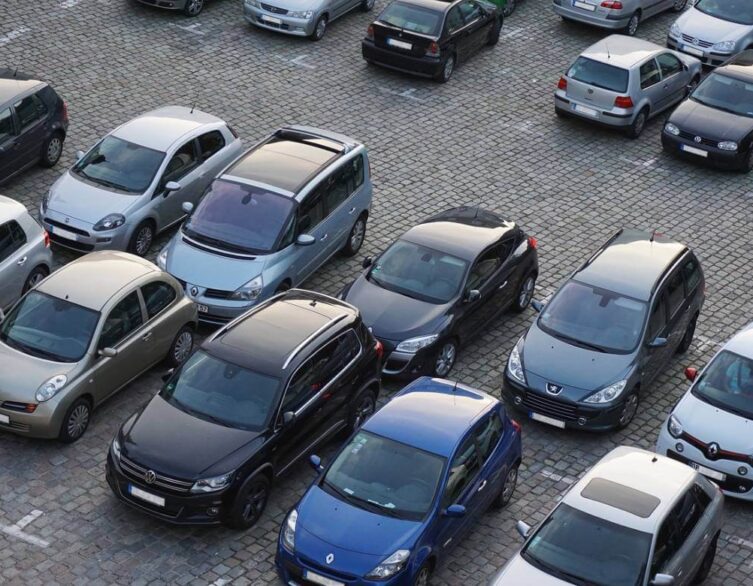
Spending the winter holidays in Budapest with a car can be very convenient – as long as you understand how parking works around Christmas and New Year. This guide walks you through the free days, the paid days, and the best budget‑friendly options, so you can focus on soaking up the city instead of worrying about tickets.
When Parking Is Free Over Christmas and New Year
During the 2025–2026 festive season, street parking in Budapest is not completely free for the whole holiday period anymore, but you can still enjoy several days without paying. Between 24 December 2025 and 1 January 2026, most on‑street parking bays in the city’s paid zones are free on public holidays, weekends and officially designated rest days.
Christmas Eve on 24 December counts as a rest day in 2025, so you can park for free on the street, just like on 25 and 26 December, which are public holidays. The following weekend, 27 and 28 December, is also free, as is 1 January (New Year’s Day) and 2 January 2026, which is an official rest day moved from 10 January. On the first weekend of January, 3 and 4 January, parking is again free, before normal weekday payment rules return from 5 January onwards.
The New Rule: No More Free Parking Between the Holidays
The big change that catches many visitors out is what happens on the working days between Christmas and New Year. Until recently, Budapest allowed free parking throughout that entire period, but from 2025 the city has tightened the rules after residents complained that long‑term free parkers were occupying street spaces for days.
This means that on 29, 30 and 31 December – Monday, Tuesday and Wednesday – normal weekday charges apply in all paid zones, even though the rest of the festive period feels like a holiday. If you are driving into Budapest for Christmas markets or New Year’s parties, it is important to treat these three dates like any regular working day: check the zone sign, pay at the machine or via an app, and keep an eye on the maximum parking time, which is often just a few hours in the central districts.
Where Parking Is Never Free, Even on Holidays
Even on days when street parking is generally free, some locations in Budapest always remain paid. These are usually highly sensitive or tourist‑heavy areas where the city wants to keep turnover high and prevent long‑term parking.
In the historic Castle District, this includes places such as Dísz tér and the nearby stretches of Hunyadi János út and Palota út, where access is limited and demand is constant throughout the year. Margitsziget (Margaret Island) also has specific paid parking areas, particularly the northern car park and hotel spaces, which are never free, no matter the date. Underground garages like the one at Rákóczi tér operate with their own tariffs too, independent of public holiday rules, so you should always expect to pay there.
Best deals of Budapest











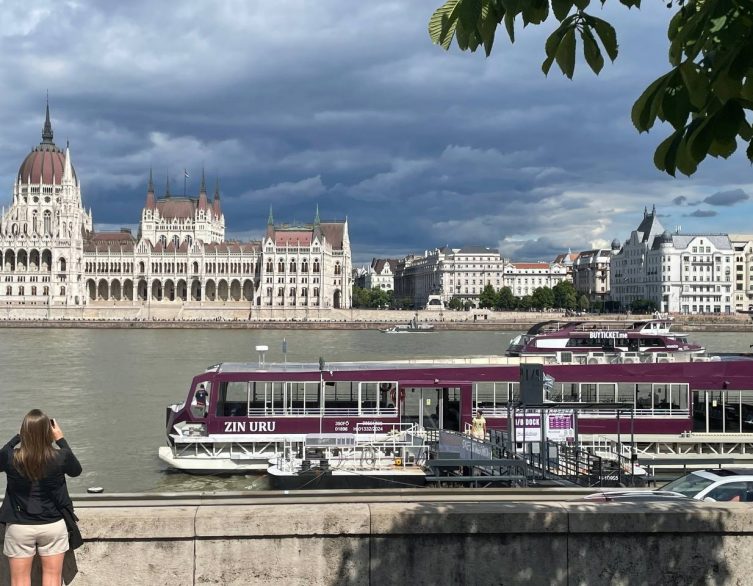
Understanding Budapest’s Parking Zones and Prices
Budapest uses a simple, four‑zone system for street parking: A, B, C and D. As a visitor, this is worth remembering, because the zone determines not only the price but also the time limits and the hours when you need to pay.
Zone A covers the most central, tourist‑heavy parts of the city and is the most expensive, with a typical fee of around 600 HUF per hour on working days and a maximum stay of just a few hours. Zone B surrounds this core and costs a bit less, around 450 HUF per hour, while Zones C and D step down again to approximately 300 and 200 HUF per hour respectively, mainly in more residential or outlying areas. On working days, you usually pay between 8:00 and 18:00 or 20:00, and in some inner areas until 22:00, so always read the sign on the parking meter or lamppost to avoid surprises.
Park & Ride: The Smart Budget Choice for Winter City Breaks
If you are staying outside the centre or arriving by motorway, Park & Ride (P+R) car parks are often the most relaxed and budget‑friendly option. Budapest has around 3,800 P+R spaces at busy transport hubs such as Kelenföld, Újpest‑Városkapu, Kőbánya‑Kispest, Örs vezér tere, Pillangó utca and Hűvösvölgy, all directly connected to metro, tram or suburban rail lines.
These guarded car parks usually charge a flat daytime fee linked to the price of a single BKK public transport ticket – in 2025 this daytime rate has risen to around 500 HUF for the whole period between 6:00 and 22:00, while night‑time parking is billed by the hour at a significantly lower rate. For most tourists, this works out much cheaper than trying to keep a car on the street in Zones A or B all day, and it also saves a lot of time otherwise spent circling for a free space in the festive traffic.
Apps, Tickets and the Rise of BudapestGO
To make life easier for both residents and visitors, Budapest is gradually moving towards app‑based parking. By 2026, traditional parking machines in the city are planned to disappear, with the BudapestGO application becoming the main tool for starting and stopping parking sessions, checking fares and planning public transport connections.
For you as a foreign tourist, it is already worth downloading BudapestGO before your trip. The app offers English‑language information, allows you to buy tickets or passes for public transport and helps you find P+R lots and parking zones. In the meantime, many private garages and rental car companies also recommend using dedicated parking apps, so you will rarely need to carry piles of coins or guess how the system works from scratch.
Practical Tips for Holiday Drivers in Budapest
The most important thing to remember is that free holiday parking is no longer a full‑week gift in Budapest, but a patchwork of free and paid days. If you plan to visit Christmas markets, thermal baths or New Year’s events, try to time your driving and parking so that the car stays in a P+R car park or hotel garage on the paid working days between the holidays, and use public transport for the rest of your movements.
Budapest’s trams, metros and night buses run frequently during the festive season, and with a day pass or travel card you can make unlimited trips, often for less than a couple of hours of inner‑city parking. Combined with a little forward planning – checking the exact dates, reading parking signs and using apps – this approach lets you enjoy the winter lights, mulled wine and river views without the stress of fines or towing, turning your Budapest Christmas city break into the relaxed, car‑friendly experience it should be.