Budapest Now Has Daily Direct Flights to Seoul — And It’s a Big Deal
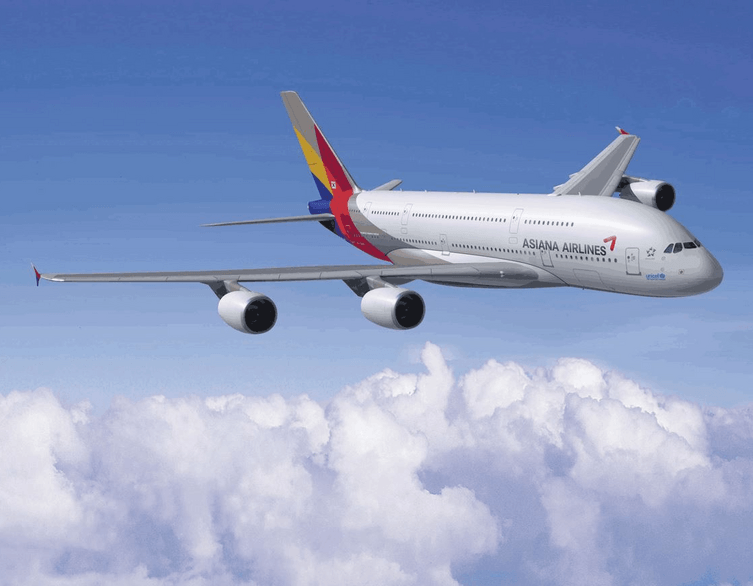
Something exciting just happened at Budapest Airport. On Good Friday, April 3, 2026, Asiana Airlines launched its brand-new direct service between Budapest and Seoul, with the inaugural flight touching down in the Hungarian capital on the evening of April 5. For travellers based in Budapest — or for visitors looking to extend their Asian adventure — this is genuinely great news. The South Korean capital is now more accessible from Budapest than it has ever been.
A New Era of Budapest–Seoul Connectivity
Until recently, direct flights between Budapest and Seoul were something of a rarity. Korean Air operated the route, running four weekly flights during the summer and three in winter, but options were limited. Now, with Asiana Airlines joining the picture, the two capitals are connected with near-daily direct flights. Asiana’s new service operates twice a week — on Fridays and Sundays — and combined with Korean Air’s existing schedule, travellers can now fly from Budapest to Seoul essentially every day of the week. The total number of available seats on the route has surpassed 2,000 per week, which will translate to more than 170,000 seats across the full year of 2026.
Best deals of Budapest










The flight schedule is well-timed for long-haul travellers. Asiana’s service departs Seoul Incheon Airport at 12:35 local time, arriving in Budapest at 18:05, while the return journey leaves Budapest at 20:00, landing back in Seoul the following morning at 13:40. It’s a substantial journey, but the experience on board makes it far more enjoyable than you might expect.
Flying in Style on the Airbus A350-900
Asiana Airlines is operating the Budapest route exclusively with its new-generation Airbus A350-900 aircraft, widely regarded as one of the most advanced and comfortable long-haul jets in the sky today. Each plane is configured with 311 seats — 28 in business class and 283 in economy — offering a generous layout for an intercontinental journey.
What makes the A350-900 stand out isn’t just its sleek exterior. The aircraft uses a state-of-the-art cabin air system that maintains higher humidity levels and lower cabin pressure than older jets, resulting in less jet lag, fresher air, and a noticeably quieter ride. Whether you’re travelling for business or visiting Seoul for the very first time, arriving refreshed rather than exhausted makes a meaningful difference to how you experience the destination.
Who Is Asiana Airlines?
If the Asiana name is new to you, here’s a bit of context. Asiana Airlines is one of South Korea’s two major carriers and a proud member of Star Alliance, the global airline network headquartered in Frankfurt. In 2024, Asiana merged with Korean Air, making the two airlines together the dominant force in South Korean aviation. The airline currently flies to seven European destinations, including London, Rome, and Prague, and is simultaneously launching a new Milan route alongside the Budapest service — a clear signal that Central Europe is firmly on its radar.
Asiana has also opened a direct commercial representative office in Budapest, underlining its long-term commitment to the Hungarian market. Interestingly, Asiana is not entirely new to this route — the airline was actually the first to operate direct charter flights between Seoul and Budapest back in 2016, using Boeing 777-200ER aircraft. This new scheduled service is, in many ways, a long-awaited homecoming.
What Budapest Airport’s Leadership Is Saying
The significance of this launch isn’t lost on those running Budapest Airport. Máté Lóga, Chairman of the Board of Directors of Budapest Airport, described Asiana’s arrival as “an important milestone for both Budapest Airport and the Hungarian economy.” He noted that South Korea is currently one of Hungary’s most important intercontinental partner countries, with nearly 100,000 direct and 50,000 connecting passengers using the route annually. “The new flight opens up new opportunities for business and leisure travelers currently traveling by changing flights,” he said, adding that the existing service is already operating with high load factors — a strong indicator that demand is very much there.
Budapest’s Growing Gateway to the Far East
This latest addition caps off an impressive expansion of Budapest Airport’s long-haul Asian network. In 2026, the airport now connects Budapest directly to eight Far East destinations: Beijing, Xi’an, Ningbo, Shenzhen, Shanghai, Guangzhou, and Chongqing in China, plus Seoul in South Korea. That’s a remarkable breadth of connectivity for a Central European airport, and it reflects a deliberate and successful strategy of attracting major international carriers to Hungary’s capital. For foreign tourists already in Budapest, this network means that combining a European city break with an Asian adventure has never been more straightforward.
The expansion also carries genuine economic weight. Stronger air links between Budapest and Seoul directly support bilateral trade, business travel, and tourism flows in both directions — contributing to the Hungarian economy while also making South Korea a more tangible and accessible destination for travellers across the region.
Seoul Is Waiting — Here’s Why You Should Go
With daily flights now available from Budapest, the question quickly becomes: why Seoul? The answer is almost too easy. Seoul is one of Asia’s most dynamic and layered cities — a place where ancient royal palaces sit in the shadow of gleaming skyscrapers, and where traditional street food stalls line the same neighbourhoods as cutting-edge design boutiques.
A visit to Gyeongbokgung Palace is essentially non-negotiable. Built in 1395 and serving as the main royal palace of the Joseon dynasty, it is a vast, beautifully preserved complex that offers a window into Korean history like no other. Many visitors choose to rent a traditional hanbok outfit and stroll through the palace grounds — a magical experience, especially in spring when the surrounding gardens come to life with colour.
Not far away, the Myeong-dong district offers a completely different but equally compelling side of Seoul — a buzzing hub packed with street food vendors, cosmetics shops, and fashion boutiques that draw visitors from across Asia and beyond. And if you want to experience Seoul’s famous food scene at its most authentic, the city’s sprawling traditional markets, from Gwangjang to Namdaemun, are a genuine feast for the senses.
A Budapest Departure Worth Planning For
Budapest is already one of Europe’s most beloved city-break destinations, with its thermal baths, ruin bars, stunning Danube panorama, and UNESCO-listed historic centre drawing millions of visitors every year. Now, with Seoul just one non-stop flight away, the Hungarian capital has added yet another compelling reason to feature prominently in any serious travel itinerary. Whether you’re arriving into Budapest from abroad or setting off from here to explore the Far East, the skies between Hungary and South Korea just got a whole lot friendlier — and that’s something worth celebrating.
Follow Budappest.com on Facebook
Related news
What’s New at Budapest Airport: New Routes, a Renewed FAQ, and Big Plans for the Future
Budapest Ferenc Liszt International Airport has been making headlines lately, and for all the right reasons. From exciting new flight connections...
Budapest Airport’s Summer 2026: More Flights, More Destinations, More Reasons to Visit Hungary
If you’ve been thinking about visiting Budapest, 2026 might just be the best year to finally make it happen. Budapest Franz Liszt International...

JD Vance in Budapest: What Tourists Need to Know About Road Closures on April 7–8
If you’re planning to be in Budapest this coming Tuesday and Wednesday, there’s one major development you’ll want to know about...