Budapest Is Collecting Its Stories — One Fabric Pattern at a Time
There is something quietly revolutionary about a library that asks you not for books, but for textiles. The Szabó Ervin Metropolitan Library of Budapest has launched a wonderful community project called The Fabric of the City — Budapest Patterns and Stories, inviting anyone with a connection to the Hungarian capital to submit a photo of a fabric pattern that holds personal meaning — along with the story behind it. It is the kind of initiative that sounds simple on the surface but touches on something surprisingly deep: the way everyday objects carry memory, identity, and history.
What the Project Is About
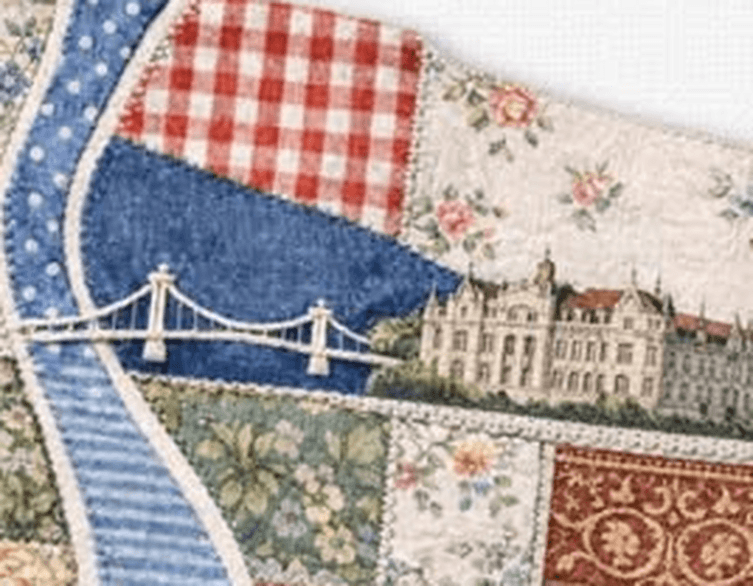
The idea is beautifully unpretentious. The library is not looking for museum pieces or rare antiques. What they want are the patterns that live on your favourite coat, a tablecloth passed down through the family, a scarf you bought at a market in the city, or curtains that hung in a Budapest apartment for decades. Stripes, checks, polka dots, geometric designs, figurative motifs, embroidery — all are welcome, as long as the pattern is recognisable and characteristic, and carries some kind of personal significance tied to Budapest.
Best deals of Budapest










The connection to the city can take many forms. The textile might have been made in Budapest, or it might have been made elsewhere but became part of someone’s life here. What matters is that the pattern carries a memory — of home, of work, of family celebrations, of everyday moments in the city. Participants are asked only to submit a photograph and a few sentences explaining why the pattern matters to them, what it evokes, and what story is woven into it. The original textiles do not need to be sent anywhere.
Why a Library Is Doing This
This project is part of the EU Horizon programme-funded make-a-thek initiative, through which the Szabó Ervin Library is working to bring circular fashion and traditional craftsmanship back into public awareness. The library wants to inspire visitors to think differently about the clothes and textiles they already own — to see them not as disposable, but as carriers of culture and personal history. By collecting patterns alongside the stories attached to them, the project creates a living archive of the city’s material memory, one that sits alongside the books and documents the library already holds.
It is a genuinely fresh approach to heritage. Rather than waiting for objects to make their way into formal collections, the library is actively reaching out to Budapest residents and asking them to be the curators of their own experience. The result, organisers hope, will be a mosaic of the city as its people actually live in it — not as it appears in guidebooks or exhibitions, but as it is experienced at kitchen tables, on morning trams, and at Sunday family lunches.
What Happens Next
The submissions deadline is 5 May 2026, and the collected patterns and stories will not simply disappear into an archive. The library plans to stage an exhibition at the Central Library, where the submitted photographs and personal narratives will be displayed together, turning individual memories into a shared portrait of the city. Selected patterns will also be taken further in creative workshops, where participants and visitors will explore together how these motifs can be reinterpreted and carried forward into contemporary life. All contributions — with the participants’ consent — will also enter the library’s permanent digital collection, ensuring they are preserved for the long term.
Why Visitors to Budapest Should Take Notice
For travellers, this project offers a genuinely unusual window into Hungarian and Budapest culture. Textile traditions run deep in Hungarian heritage — from the intricate embroidery of the Matyo and Kalocsa regions to the bold geometric patterns of folk crafts that have influenced design and fashion for generations. But this exhibition will not be about folk art in the conventional sense. It will be about the living, breathing version of that tradition: the patterns that ordinary people in Budapest have loved, worn, and carried with them through their lives.
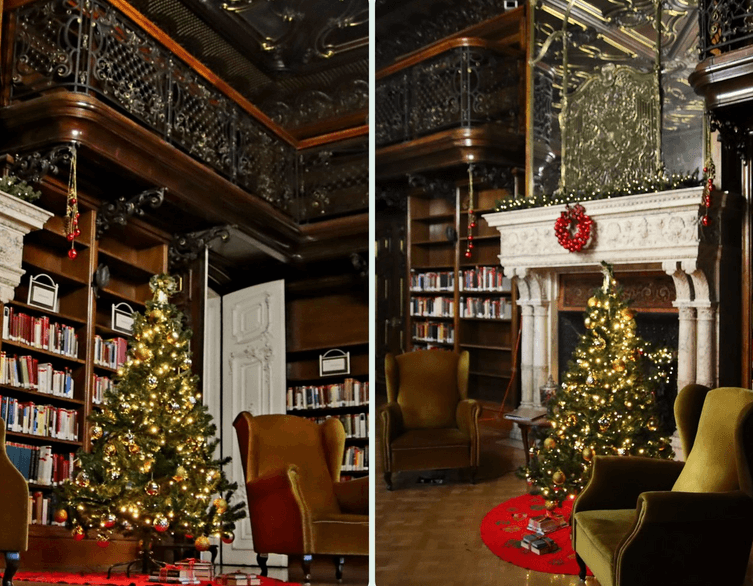
If you are visiting Budapest before the exhibition opens, it is well worth keeping an eye on the Szabó Ervin Library’s programme, as the Central Library itself is a destination in its own right. Housed in the magnificent Wenckheim Palace in the heart of the city, it is one of the most beautiful library buildings in Europe, an extraordinary piece of Baroque-eclectic architecture that most tourists walk past without ever stepping inside. Checking out the Fabric of the City exhibition when it opens later in 2026 would pair wonderfully with an afternoon exploring the building itself.
How to Participate
If you have a textile pattern with a Budapest connection — whether you are a local, an expat, or simply someone who has fallen in love with the city — you can participate by filling in the submission form on the library’s website or by contacting the team directly at minta@fszek.hu. The deadline is 5 May 2026. You only need a photograph and a few sentences about the story behind your pattern. As the library puts it so well: these patterns are not just textiles — they are pieces of the city’s history.
Follow Budappest.com on Facebook
Related news