Budapest Is Buzzing — And Not Just Because of the Tourism
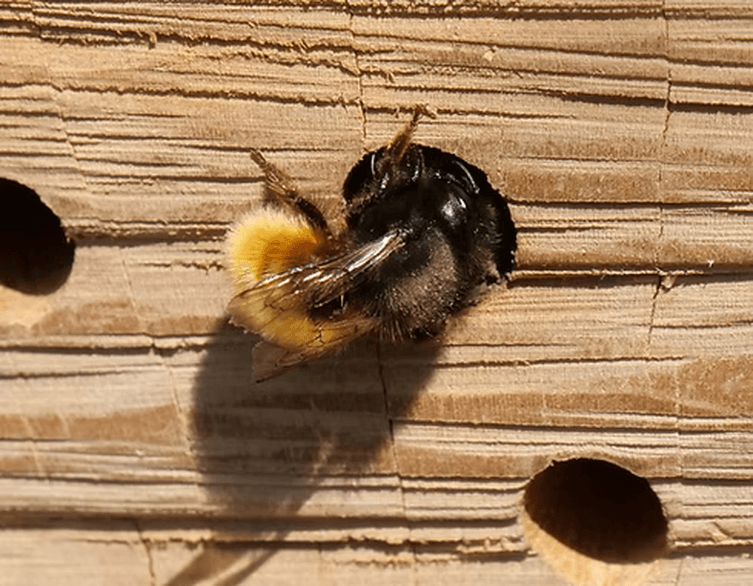
When most people think of Budapest, they picture the Chain Bridge lit up at night, the steam rising from the thermal baths, or the ruin bars spilling out onto cobbled streets. What they probably don’t picture is a solitary bee quietly moving into a tiny wooden hotel hanging from a tree in one of the city’s parks. But that’s exactly what’s happening right now — and it’s part of something much bigger than it might first appear.
A City That Never Stops Growing
Budapest is one of Central Europe’s most populous and fastest-developing capitals, a city where historic, industrial, and modern neighbourhoods coexist in a way that few places in the world can match. That rapid urban growth, however, comes with a cost. Increased traffic, the expansion of built-up areas, and the ever-growing pressure of mass tourism have all taken a toll on the city’s natural environment. Biodiversity loss and rising environmental stress have become real and pressing concerns.
Best deals of Budapest









And yet, Budapest still holds remarkable natural treasures. The Danube ecosystems, the forests of the Buda Hills, and the network of urban parks scattered across the city continue to provide crucial habitats for wildlife — including, as it turns out, for some of the most important yet least noticed creatures in the urban ecosystem: solitary bees.
The Tiny Pollinators You’ve Never Heard Of
Unlike the honeybee you might associate with hives and honey, solitary bees live alone. They don’t form colonies, they don’t produce honey, and — crucially — they are almost entirely harmless to humans. What they do produce, quietly and tirelessly, is pollination. These small, often overlooked insects are responsible for fertilising a huge proportion of the plants that make our cities green and our food systems function.
Across urban environments worldwide, solitary bee populations are declining, and cities like Budapest are no exception. The challenge is not just to reverse this trend, but to understand it — to figure out exactly what drives pollinators into some urban spaces and keeps them out of others, and what we as city-dwellers can do about it.
Meet the UrbanBEE Project
That’s precisely the question at the heart of the UrbanBEE project, a major international research initiative led by HUN-REN Centre for Ecological Research and funded by Biodiversa+, running from 2025 to 2028. The project is active in cities across both Africa and Europe, and Budapest is one of its key research sites.
The concept is elegantly simple: install thousands of specially designed bee hotels — small wooden structures filled with hollow tubes and cavities — in parks and green spaces across the city, then monitor them closely to see which solitary bee species move in, how quickly, and under what conditions. In Budapest, several parks managed by the city are already part of the network, with bee hotels and reed nests installed directly on trees. Researchers from HUN-REN Centre for Ecological Research, led by project coordinators Edina Török and Riho Marja, oversee the monitoring and data collection.
Living Laboratories in the Heart of the City
What makes the UrbanBEE approach genuinely innovative is the idea of treating these bee hotel networks as “living laboratories.” By placing them across different types of urban neighbourhoods — from affluent residential areas to denser, more industrial districts — the project can map exactly how social and environmental factors shape urban biodiversity. Do bees prefer parks in quieter, greener neighbourhoods? Does local air quality or climate microvariation affect which species settle where? Does the design of the hotel itself make a difference?
These are the kinds of questions that have never been answered at this scale before, and the data being gathered in Budapest right now will help answer them — not just for Hungary, but for cities across the globe.
Science That Everyone Can Join
Perhaps the most exciting element of the UrbanBEE project, especially for visitors who are curious about Budapest beyond its usual tourist trail, is that it’s built on citizen science. Ordinary people — including tourists, residents, and volunteers — can participate by adopting a bee hotel and helping to monitor it.
Volunteers who sign up receive a bee hotel to place in their garden, balcony, or outdoor space. Once a week, they photograph the hotel and upload the images via a simple Google Form, documenting whether any of the cavities have been occupied, sealed, or show signs of nest-building activity. Solitary bees use a surprising variety of materials to construct their nests — mud, leaves, plant fibres, resin, and thin cellophane-like layers — and tracking these micro-changes week by week gives researchers a remarkably detailed picture of pollinator behaviour across the city.
What to Look For in Budapest’s Parks
You don’t need to be an official volunteer to start appreciating the world of urban pollinators on your next walk through the city. Budapest’s parks — from the grand tree-lined avenues of City Park (Városliget) and the leafy island of Margaret Island (Margitsziget) to smaller neighbourhood green spaces — are home to a surprising diversity of wild bee species.
If you spot a small wooden structure hanging from a tree trunk in one of the city’s parks, that could well be a bee hotel — part of the UrbanBEE network. Look closely at the openings: a sealed cavity, a telltale smear of mud, or a plug made from chewed leaves are all signs that a solitary bee has moved in and started a family. It’s a small, quiet miracle happening right in the middle of one of Europe’s busiest capitals.
A Greener Budapest, One Bee at a Time
The UrbanBEE project represents a broader shift in how Budapest and cities like it are starting to think about urban development. Rather than treating nature as something that exists outside the city, the project is about weaving biodiversity back into the fabric of everyday urban life — through parks, through community involvement, and through the kind of careful, long-term scientific observation that leads to real change in how cities are planned and managed.
For tourists, this is another reason to look at Budapest with fresh eyes. Beyond the spectacular architecture and the legendary hospitality, the city is quietly becoming a laboratory for some of the most forward-thinking urban ecology research in Europe. The bees are just the beginning.
Follow Budappest.com on Facebook
Related news
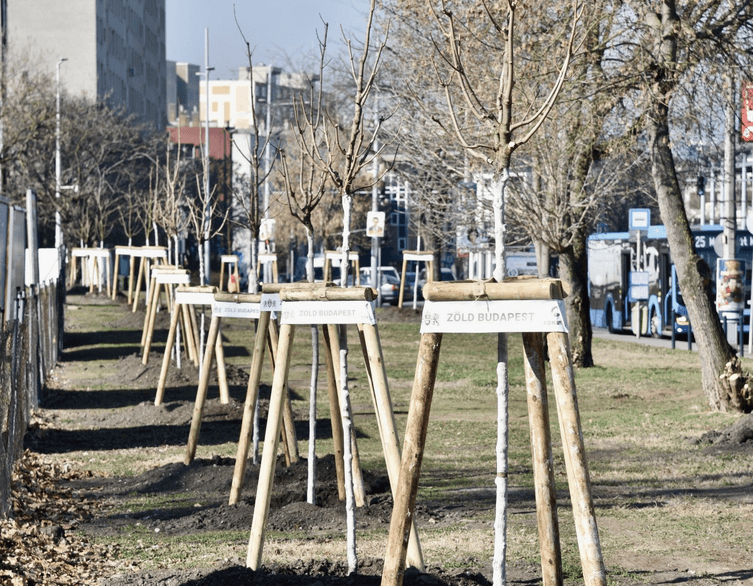
Budapest Is Getting Greener: Over 560 New Trees Planted Across the City This Spring
If you’re visiting Budapest this spring, you might notice something fresh in the air — and not just the warmer temperatures. The city is...
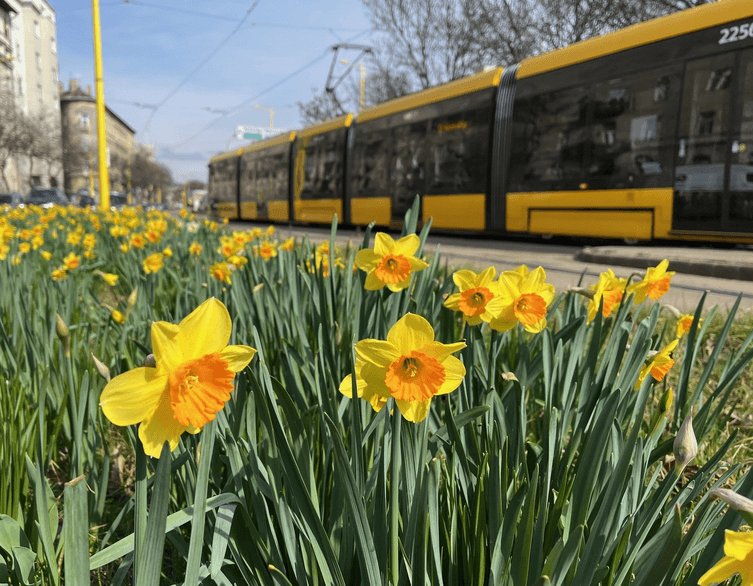
Budapest’s Green Guardian Turns 159: Celebrating FŐKERT and the Daffodils of Krisztina Boulevard
Budapest is a city full of history, but not all of its milestones involve grand palaces or famous battles. This March, one of the city’s most...
Budapest Is Going Green — One Courtyard at a Time
If you’ve ever wandered through Budapest’s inner districts and peeked through the iron gates of an old apartment building, you’ve...

Understanding Budapest’s Climate and Green Spaces Today
Budapest’s environment faced some tough challenges in 2024, as laid out in the city’s official 2025 state assessment, approved last December...

Budapest Airport’s Green Revolution: How RESILIMET Keeps Your Flights Storm-Proof
Ever worried about a sudden downpour delaying your Budapest getaway? At Ferenc Liszt International Airport (BUD), that’s becoming history thanks...
Discover Budapest’s Green Heart: 10 Million Trees and a New Kind of City Break
When most people think of Budapest, they picture thermal baths, ruin bars, and the Danube’s glittering panorama. But if you are a traveler who...