Maxim Dondyuk: Zone of Oblivion – Chernobyl Archive at Mai Manó House, Budapest
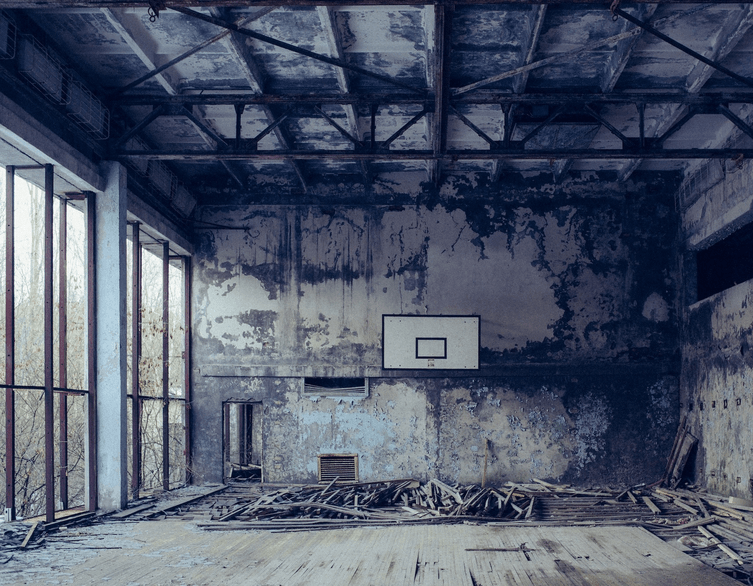
Forty years after the explosion that changed the world, a quietly devastating photography exhibition has arrived in Budapest. Maxim Dondyuk: Zone of Oblivion – Chernobyl Archive is on display at Mai Manó House from April 1 to May 17, 2026, and it is one of the most compelling cultural experiences the city has to offer this spring. If you have any interest in history, photography, or simply human stories told with extraordinary care, this is not one to miss.
What This Exhibition Is About
Ukrainian visual artist and photographer Maxim Dondyuk began working in the Chernobyl Exclusion Zone in 2016, not as a thrill-seeker or disaster tourist, but as a quiet observer with a researcher’s patience and an archaeologist’s instinct. Over five years, he walked hundreds of kilometres through the restricted zone, exploring more than 20 abandoned villages in meticulous detail. What he brought back was not just his own photographs, but an archive of over 20,000 objects — family photos, film rolls, letters, postcards, and even greeting cards wishing families a happy 1986, written just before everything changed.
He called this work visual archaeology, and it is exactly that. Each house, each family’s belongings received a unique GPS-based archival identifier. This was never about spectacle. It was about preservation, memory, and bearing witness before time and radioactive decay erased everything permanently.
Best deals of Budapest








What You Will See Inside
The exhibition is arranged across three rooms, each with its own rhythm and emotional register, and you should plan for around 30 to 50 minutes to take it all in properly.
The first room serves as an introduction, presenting Dondyuk’s own documentary photographs of the zone — abandoned buildings, overgrown streets, and the eerie stillness of places that were once full of life. These images are arresting on their own, but they also set the stage for what comes next.
The second room is where the exhibition becomes something deeper. Here, Dondyuk places his own photographs in dialogue with the found images he rescued from the ruins. The juxtaposition of present and past, of absence and former presence, creates a tension that is difficult to shake. You find yourself thinking about the people who lived in these spaces, who laughed in these photos, who never came back.
The third room presents the found film rolls themselves — developed and painstakingly cleaned by Dondyuk after years of exposure to moisture, mould, and radiation. Some of the images are barely visible, little more than the outline of a figure or the ghost of a room. Dondyuk describes the damage wrought by time and radiation on these films as a chemical collaboration, and it is a haunting phrase. The same invisible force that devastated human bodies left its mark on the emulsion of these photographs too, transforming personal memories into something that looks almost abstract.
The Human Story Behind Chernobyl
One of the most powerful aspects of this exhibition is the context it restores to a disaster that popular culture has both over-exposed and oversimplified. When reactor number four exploded at the Chernobyl Nuclear Power Plant on April 26, 1986, the people of Pripyat — a city of 50,000 built specifically to house the plant’s workers — were told they had one hour to pack and that they would return in a few days. Most left with only a change of clothes and their documents. Everything else stayed behind.
Those objects, those photographs, those letters are what Dondyuk found four decades later. The exhibition asks you to sit with that reality and resist the temptation to reduce Chernobyl to a video game aesthetic, a horror backdrop, or a piece of streaming entertainment. It is a living wound, and this archive is a way of keeping it honest.
Part of Budapest Photo Festival 2026
This exhibition is an official part of Budapest Photo Festival 2026, which celebrates its landmark 10th anniversary this year. Running from March 27 to May 15, 2026, the festival brings together exceptional photographic work from across the world through exhibitions, workshops, portfolio reviews, and public events held in galleries, museums, and community spaces across the city. Dondyuk’s exhibition stands as one of its most significant and emotionally resonant offerings.
The exhibition was opened by journalist and reporter Veiszer Alinda, and is curated by Kéri Gáspár, adding an additional layer of thoughtful contextualisation to the experience.
Practical Information
- Exhibition dates: April 1 – May 17, 2026
- Venue: Mai Manó House, Budapest
- Recommended visit time: 30–50 minutes
- Tickets: Available exclusively online via the Liget+ platform — on-site ticket sales are currently suspended, so make sure to book in advance
- Accessibility: Please note that Mai Manó House is not wheelchair accessible
- Photography and filming: Audio and video recordings may be made during events and used for promotional purposes by Mai Manó House
A Rare Exhibition Worth Making Time For
Some exhibitions inform. This one stays with you. Maxim Dondyuk: Zone of Oblivion – Chernobyl Archive is the kind of experience that reframes how you think about memory, loss, and the quiet responsibility we carry toward the past. It does not shout or sensationalise — it invites you to slow down, look closely, and remember people you never knew. In a city as rich with history as Budapest, that is no small thing.
If you are visiting Budapest this spring, carve out an afternoon for Mai Manó House. Combine it with a walk along the nearby Andrássy Avenue or a visit to another Budapest Photo Festival venue to make a full day of it. This is exactly the kind of culturally meaningful, off-the-beaten-track experience that turns a city trip into something you will talk about long after you get home.