Budapest Central European Fashion Week 2026: When the Danube Becomes a Runway
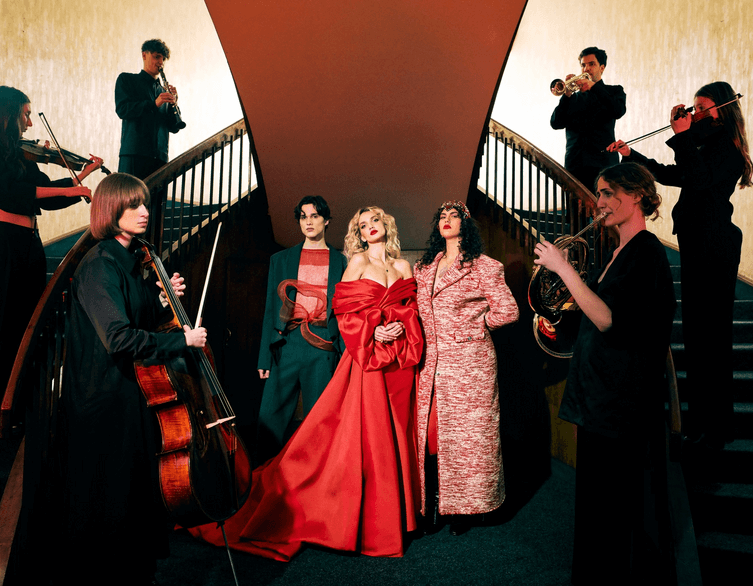
Budapest is getting ready to swap winter coats for catwalk glamour, and if you are visiting in mid‑February, you are arriving at exactly the right time. From 9 to 15 February 2026, the Hungarian capital hosts the 17th Budapest Central European Fashion Week (BCEFW), turning the city into the fashion capital of the region with a full week of shows, events and creative energy. For foreign tourists, it is a rare chance to see a major international fashion week up close while discovering Budapest’s historic streets, grand museums and vibrant cultural life.
A fashion week on the Danube
BCEFW is much more than a series of pretty outfits on a runway. Across one packed week, Budapest becomes a strategic meeting point for designers, buyers, influencers, journalists and fashion lovers from across Central and Eastern Europe. Collections for the Autumn/Winter 2026–2027 season are presented here first, so you are literally seeing next season’s trends before they hit the shops. At the same time, the city itself slips into the spotlight: streets, squares and landmark buildings around the Danube all play a role in framing the event.
The atmosphere during fashion week is very different from an ordinary winter week in Budapest. Cafés around the centre buzz with guests flipping through lookbooks, photographers roam the streets in search of the next great street‑style shot, and taxis pull up in front of galleries and museums with editors and creators stepping out in carefully chosen outfits. Even if you do not hold an invitation to every show, you feel this energy in the air as you move between Buda and Pest, from the riverfront to Heroes’ Square.
Eight countries, one creative hub
What makes BCEFW particularly exciting for visitors is its strong regional focus. Instead of copying Paris, Milan or New York, Budapest positions itself as the creative heart of Central and Eastern Europe. Designers come not only from Hungary, but also from Czechia, Slovakia, Poland, Slovenia, Serbia, Romania, Armenia and Ukraine, bringing with them very different cultural references, silhouettes and stories. Hungarian brands form the backbone of the program, while around them regional labels build a bridge between the Visegrád countries, the Balkans and the Caucasus.
Best deals of Budapest




The result is a rich mix of aesthetics: minimalist tailoring sits next to experimental streetwear, romantic dresses follow sculptural knitwear, and traditional motifs appear in sleek, contemporary forms. As a visitor, you are watching the visual language of a whole region evolve in front of you. This is where you discover names you might not yet see in global luxury stores, but that define how fashion looks and feels in this part of Europe.
Where fashion meets heritage: iconic venues
One of the most memorable aspects of Budapest Central European Fashion Week is its choice of venues. Instead of anonymous halls, the organizers lean into the city’s architectural beauty. The Apolló Gallery in the city centre offers an intimate, contemporary setting for early shows and special presentations, with polished floors and white walls that let the clothes take centre stage. When models walk here, they move through a space that feels more like an art exhibition than a traditional catwalk, which suits conceptual and experimental collections perfectly.
From 13 to 15 February, the spotlight shifts to the Museum of Fine Arts on Heroes’ Square, one of Budapest’s most impressive buildings. As you step into its grand halls, vaulted ceilings and classical columns surround the runway, creating a powerful dialogue between centuries‑old masterpieces and fresh, modern design. For tourists, this combination is particularly striking: in one visit, you get both a cultural landmark and a front‑row glimpse of how the city positions itself at the cutting edge of contemporary style. Stepping outside after a show, you are immediately on Heroes’ Square, with City Park, Vajdahunyad Castle and Széchenyi Thermal Bath all within easy walking distance.
New generation, new values
Behind the glamour, BCEFW has a clear mission: to nurture new talent and to push the regional fashion industry toward a more thoughtful, sustainable future. A special “New Generation” platform gives emerging designers the chance to hold their own shows, rather than hiding behind established names. For young creatives, appearing on the official schedule is a huge step, helping them build international contacts and gain the confidence to enter global markets.
For visitors, this means you are not only seeing brands you may already know, but also discovering the future of regional fashion in real time. These younger designers tend to work with upcycled materials, limited runs and innovative production methods. Sustainability for them is not a trend or a marketing slogan; it is part of how they think about clothes from the very first sketch. Sitting at their shows or simply watching photos and videos online during your stay, you get a sense of how climate awareness and creativity can go hand in hand.
Fashion Hub: getting closer to the industry
If you like to go beyond the surface, the Fashion Hub at the Museum of Fine Arts is where you can dive deeper into the world behind the runway. Over two days, the museum hosts talks, panel discussions and presentations in both English and Hungarian, bringing together designers, industry experts, educators and students. Topics range from sustainable manufacturing and circular fashion to brand building, digital storytelling and the future of retail.
Even if you are simply curious rather than a professional, it is a welcoming space to ask questions, listen to real‑life experiences and understand what it takes to build a brand today. Spending a couple of hours here gives your Budapest trip an extra dimension: instead of only shopping in the city’s boutiques, you also learn how those pieces are designed, produced and brought to market. It turns fashion from something you just wear into something you feel connected to on a deeper level.
A live showcase for Budapest’s creative economy
For Budapest, BCEFW is not only about style; it is also a strategic investment in the city’s creative economy. The event is organized by Creative Hungary, an agency dedicated to strengthening the fashion and design ecosystem from education to manufacturing and sales. By bringing regional and international buyers into the same rooms as Hungarian designers, the fashion week actively supports real business deals: showroom spaces and professional networking areas are set up precisely to help brands reach new markets and boutiques.
As a tourist, you benefit from this long‑term vision without even noticing it. The more the city becomes a trusted hub for fashion and design, the more interesting shops, concept stores, showrooms and creative studios appear in its neighbourhoods. When you wander through downtown streets or the Palace District, you find local labels with strong identities instead of generic fast‑fashion outlets. The fashion week is a high‑energy moment in this wider story, but the impact lasts year‑round in the form of a more vibrant urban experience.
How to weave fashion week into your trip
If you are planning a visit to Budapest around 13–15 February 2026, it is worth checking the official BCEFW website and social channels ahead of time to see which shows or public programs are accessible with tickets or open registration. Some runway events are invitation‑only, but many presentations, talks and side programs welcome a broader audience, especially through the Fashion Hub and partner venues across the city. A bit of planning helps you fit a show in between sightseeing stops like the Parliament, Buda Castle or a soak in the thermal baths.
Even if you do not manage to secure seats inside, you can still soak up the atmosphere outside the main locations. Around Heroes’ Square and the Museum of Fine Arts, you will see guests arriving in their best looks, photographers capturing street style, and a general sense of buzz that makes the area feel more like an open‑air set than a regular tourist spot. In the city centre, you can pair a visit to the Apolló Gallery with a stroll along Andrássy Avenue or a coffee in a nearby café, watching the mix of locals, fashion insiders and fellow travellers share the same pavements.
Why BCEFW is worth your attention
Adding Budapest Central European Fashion Week to your itinerary gives you a completely different perspective on the city. Instead of seeing Budapest only as a place of thermal baths, ruin pubs and river cruises, you experience it as a living creative hub where ideas, aesthetics and business meet. You walk through spaces where art and fashion intersect, you hear the voices of local designers and international experts, and you witness how a regional capital confidently steps onto the global fashion map.
Whether you are a dedicated fashion enthusiast or simply someone who enjoys beautiful clothes and inspiring spaces, BCEFW offers a stylish, modern layer to your Budapest story. You might arrive for the museums and architecture, but you leave with images of models gliding through neoclassical halls, designers greeting their audiences, and the city itself acting as a grand, ever‑changing backdrop to it all.
Related news
Related events