Attila: The Hun King Returns to Budapest’s National Museum
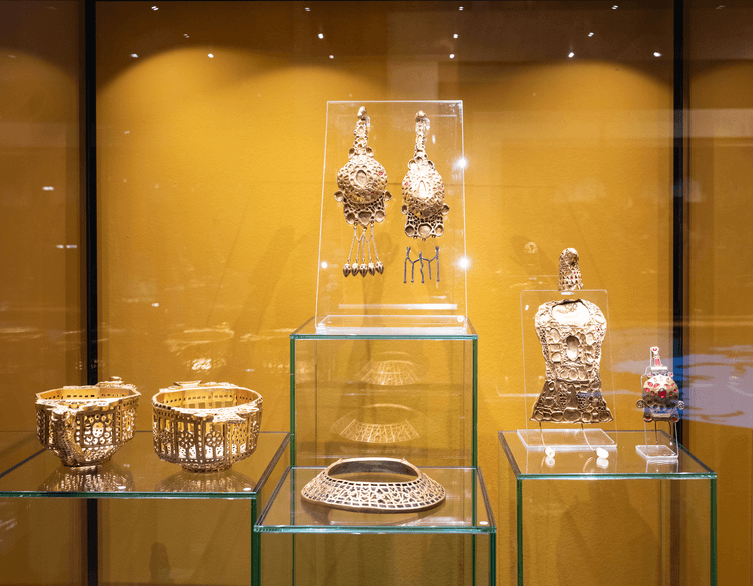
Budapest has always been a city where history speaks from every stone and square, but this winter, it does so with the powerful voice of a legend. From January 23 to July 12, 2026, the Hungarian National Museum invites visitors to step into the world of Attila, King of the Huns, with one of the most ambitious exhibitions Hungary has ever hosted. Simply titled Attila, the show offers a breathtaking journey through the myths, history, and enduring legacy of the infamous ruler whose name once struck fear and awe across both East and West.
A Historic and International Collaboration
The National Museum’s Attila exhibition is not just a Hungarian achievement — it’s an international cultural alliance. Bringing together 13 countries and 64 museums, this cross-border endeavor showcases around 400 artifacts, many of which have never before been displayed in Hungary. From the British Museum and the Louvre Abu Dhabi to leading institutions in Kazakhstan, Uzbekistan, France, Germany, and Azerbaijan, treasures of the ancient world have now converged in Budapest.
As Sultan Raev, Secretary General of TÜRKSOY, noted at the opening ceremony, this exhibition represents the first major collaboration among Turkic museums, creating a unified narrative of shared history and heritage. The result is a rare fusion of scientific discovery, artistic curation, and international cooperation — a true “bridge” between East and West, much like Attila himself.
Best deals of Budapest










Legends Reimagined Through Science and Art
Curated with meticulous attention to both storytelling and scholarship, Attila invites visitors to explore the fascinating intersection of myth and reality. Using discoveries from archaeology, art history, anthropology, and even archaeogenetics, the exhibition traces how Attila’s image evolved from a historical conqueror into a larger-than-life figure of legend.
The József Nádor Halls of the museum have been dramatically transformed for the occasion. Visitors wander through immersive installations that blend visual projections, reconstructed environments, and rare artifacts — swords of warriors, exquisite gold jewelry, ancient helmets, and ritual vessels once used by the nomadic Huns. Among the highlights are the Csorna diadem from Hungary, the glittering treasures of Domagnano, and Attila’s so-called poison cup, an elaborately decorated chalice unearthed near Szeged.
Equally intriguing are the artificially deformed skulls displayed as evidence of early body modification practices, offering a glimpse into how elite identity was expressed in the Hunnic world.
From the Battlefield to the Banquet Hall
Beyond the weapons and artifacts, the exhibition also explores Attila’s image in the collective imagination of later centuries. Through paintings, manuscripts, and modern reinterpretations, visitors encounter the multifaceted portrayals of the Hun king: warrior, god-sent conqueror, feared enemy, and mythical ancestor of the Hungarians.
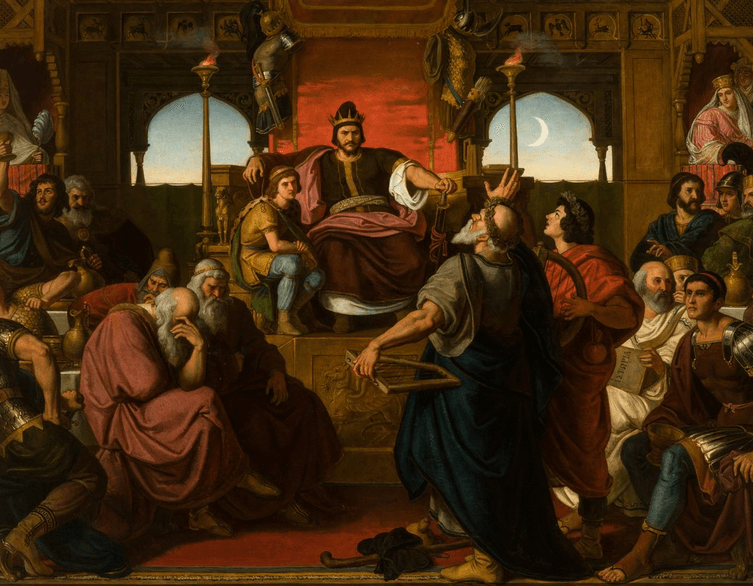
One standout piece, Haan Antal’s 19th-century painting, a reinterpretation of a Raphael fresco, returns to public view for the first time in 120 years. Its inclusion underlines how Attila’s story has resonated across artistic movements and national traditions for centuries.
A Cultural Experience Beyond the Exhibition
The Attila exhibition is more than a display — it’s a full cultural season within the museum’s walls. Alongside the main show, visitors can enjoy a vibrant schedule of side events, from international academic conferences and science lectures to film screenings, live music, family workshops, and hands-on craft sessions.
For younger audiences, the museum offers interactive educational programs where children can learn about nomadic life, art, and ancient crafts in a playful setting. And for travelers fond of taking home tangible memories, the museum gift shop features beautifully crafted replicas of Hun-era jewelry — bracelets, fibulas, and belts inspired by the artifacts themselves.
A Must-See in Budapest’s Cultural Calendar
Described as the most significant Hungarian exhibition of the past forty years, Attila promises an unforgettable experience for anyone visiting Budapest in 2026. It captures not only the spirit of a ruler who united vast lands but also the enduring dialogue between folklore and science, history and imagination.
Whether you are a history enthusiast, art lover, or simply curious about the cultural roots of this fascinating region, the Attila exhibition offers an extraordinary window into the distant past — one that still shapes the Hungarian identity today.
Discover the legend. Walk among the treasures. And let Attila’s story remind you that history is never truly gone; it simply waits to be rediscovered in the heart of Budapest.
Related news
When Aragorn Walked Into Budapest: Viggo Mortensen’s Quiet Visit to the Hungarian National Museum
A Sunday Afternoon Like No Other It was an ordinary Sunday afternoon at the Hungarian National Museum — or so it seemed. Visitors wandered through...
A Forgotten Masterpiece Returns: The Attila Exhibition Opens in Budapest
The Hungarian National Museum is preparing to unveil one of the most ambitious cultural events of the decade: Attila, a grand exhibition that...
Step Into Legend: The Attila Exhibition at the Hungarian National Museum
Discover the Power and Mystery Behind One of History’s Greatest Rulers This winter, Budapest invites you on an extraordinary journey into the age...
Related events