Airbnb Ban Comes into Effect in Budapest’s District VI: What Tourists Need to Know

As of January 1, 2026, the central district of Terézváros — one of Budapest’s busiest and most popular areas among tourists — has officially introduced a ban on Airbnb and other short-term private rentals. The move, approved by local residents in a district-level vote, has made Terézváros the first neighborhood in Hungary to completely prohibit private short-term accommodation services.
For visitors planning trips to Budapest this year, this change marks an important shift in how and where to book accommodation, particularly in the heart of the city.
Why Terézváros Took This Step
The Terézváros Municipality, which oversees District VI, announced the ban after a fourteen-month preparation period. Local authorities argued that uncontrolled short-term rentals had driven up rents for residents and altered community life in one of Budapest’s most diverse and dynamic cultural districts — an area that includes sections of Andrássy Avenue, the Opera House, and many of the capital’s famous ruin bars and restaurants.
Mayor Tamás Soproni confirmed the district’s decision despite pressure from the capital’s government office, led by Sára Botond, to reverse the ban. In November 2025, Hungary’s Supreme Court (Kúria) ruled that the restriction was lawful, clearing the way for its enforcement at the start of 2026.
The new rule prohibits all short-term private rentals — meaning that Airbnb hosts and similar operators can no longer legally rent out apartments for a few days or weeks at a time. The only permitted accommodation types in Terézváros are hotels, guesthouses (pensions), and licensed hostels.
Monitoring and Fines Begin
This week, the Terézváros local government began joint inspections with the police and the National Tax and Customs Administration (NAV). Authorities are checking listings and on-site operations, and unlicensed rentals may face fines ranging from 200,000 to 500,000 forints. In serious cases, penalties could reach into the millions.
The inspections aim to ensure that private apartments listed online comply with the new law. The municipality stated that its goal is not only to enforce the regulations but also to restore balance to local housing and promote fair competition between licensed accommodation providers.
Creative Workarounds and a Changing Market
While small-scale Airbnb hosts are exiting the market, some larger property operators have already found ways to adapt. Many are reclassifying their properties as hotels or guesthouses, which remain legal under the new rules.
Real estate companies that previously managed dozens of short-term rental apartments are now seeking hotel licenses, while adaptation projects are underway in several locations — including Paulay Ede Street and Szív Street, where renovated properties are preparing to open as official guesthouses. Even with new national regulations requiring shared breakfast areas for all inns, well-funded developers are able to make the necessary adjustments and continue operating.
Best deals of Budapest











In short, Airbnb-style bookings will not disappear from District VI altogether, but they are being transformed into more formal, regulated hospitality options.
A Boom in Hotel Development
For visitors, the silver lining is an expanding selection of hotels across the Terézváros area. The district — which covers about 2 square kilometers and is home to roughly 35,000 residents — already counts nearly 40 operating hotels, with four more developments underway. Several new projects are turning former office buildings and residential blocks into stylish boutique hotels or mid-range city lodgings.
Among the highlights, Austrian brand Julius Meinl has announced its first Budapest hotel on Hegedű Street, while the Andrássy Palace, under the Wing Group (Wallis), is also being converted into a premium hotel on the city’s grand boulevard. This trend suggests that, although private Airbnb stays are no longer allowed here, travelers can expect a richer variety of traditional accommodation — from modern hostels to design-forward boutique hotels.
Budapest in a European Context
Budapest is not alone in tightening rules on short-term rentals. Across Europe, cities such as Vienna, Barcelona, and Dubrovnik have implemented stricter licensing requirements or large-scale crackdowns on unregistered Airbnb properties. Spain even imposed a €65 million fine on Airbnb for consumer protection violations in 2025.
In Hungary, the debate centers on balancing tourism’s economic benefits with residents’ quality of life. Last year, Terézváros collected over 2.1 billion forints in tourism tax, around 700 million of which came from Airbnb hosts and their guests. The new system may temporarily reduce this revenue, but officials hope that regulated hotel operations will offset losses while ensuring greater housing availability for locals.
What This Means for Tourists
If you’re planning to stay in central Budapest in 2026, booking through recognized hotels, guesthouses, or hostels is the reliable way to go. Major booking platforms like Booking.com or Expedia clearly indicate licensed properties, and nearby districts — including District VII (Erzsébetváros) and District V (Belváros-Lipótváros) — continue to allow short-term rentals under existing regulations.
Visitors can still find accommodations that capture the city’s characteristic mix of history and nightlife, but now with the added certainty of legal operation and standardized hospitality services.
A New Era for Budapest Tourism
While the Airbnb ban in Terézváros marks the end of an era for private vacation rentals, it also signals the beginning of a more regulated and sustainable tourism model in Budapest. For tourists, it means clearer choices, safer bookings, and a smoother experience in one of Europe’s most captivating capitals.
As central Budapest evolves, the essence remains unchanged: a city that balances history with innovation, tradition with tourism — and now, perhaps, a renewed sense of harmony between those who live here and those who come to explore.
Related news
How Budapest’s Airbnb Rules Are Changing – What Tourists Need To Know
Budapest is famous for its romantic riverside views, ruin bars and grand cafés – but for many visitors, short‑term rentals like Airbnb have...
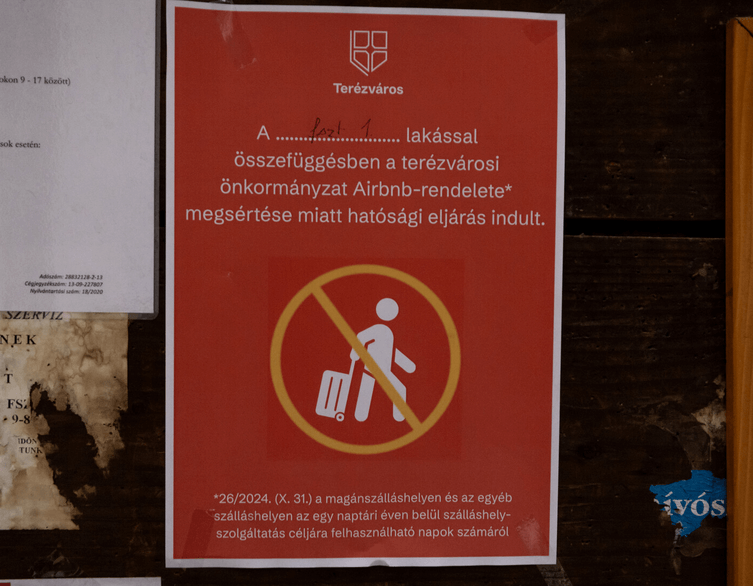
Airbnb Ban in Budapest? What Foreign Tourists Need to Know About the New Rules
If you’re planning a trip to Budapest and were thinking of booking a cozy apartment in the city center, you’ve probably noticed some big changes...
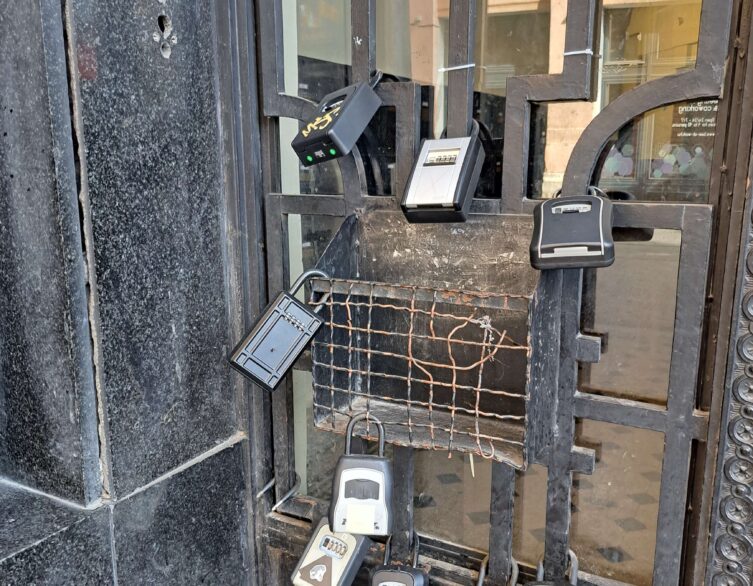
Budapest Airbnb Crackdown: What Foreign Tourists Need to Know About Staying in District VI from 2026
Picture this: you’re scrolling through Airbnb for your dream Budapest getaway, eyeing that chic apartment on Király Street in the heart of...
Budapest’s District 6 Airbnb Ban: What It Means for Travelers and the Rental Market
The landscape of accommodation in Budapest is undergoing a dramatic transformation. On November 11, 2025, Hungary’s Supreme Court upheld a...
Budapest’s Airbnb Ban: A Controversial Move to Preserve Residential Life
In a bold move to tackle the growing concerns of “touristification” and the housing crisis, Budapest’s 6th district, Terézváros,...