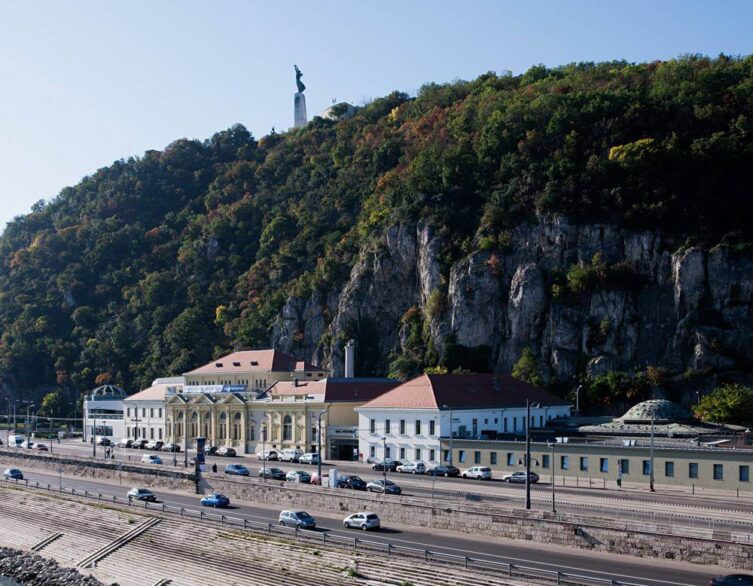
The Rise of Radon Thermal Baths in Budapest
Budapest has long been famous for its thermal baths, but in recent years a more specific trend has emerged: more and more visitors are seeking out radon-rich thermal waters for relaxation and relief from chronic pain. For foreign tourists planning a wellness-focused trip, understanding what makes these radon thermal baths special can turn a simple spa day into a deeper healing experience rooted in centuries of balneotherapy tradition.
What Makes Radon Thermal Water Special
At first glance, the word radon might sound intimidating, as it is a naturally occurring radioactive noble gas associated with health risks at high, prolonged exposure levels. In the controlled, diluted concentrations found in therapeutic waters, however, radon has long been used in European medical spas, where it is believed to have analgesic and anti‑inflammatory effects when absorbed through the skin and inhaled in small doses during bathing. Guests often report that after a course of several sessions, they feel looser, move more freely, and experience less persistent pain.
Best deals of Budapest










In Budapest and across Hungary, interest in these therapies has grown especially among visitors dealing with joint stiffness, lower back pain, and chronic musculoskeletal issues. Rather than relying only on medication, they combine sightseeing with gentle, water‑based treatments that fit naturally into a relaxing city break, helping to position Budapest as one of Europe’s leading spa destinations.
Who Radon Baths May Benefit – And Who Should Be Careful
In Central European spa culture, radon thermal baths are most commonly recommended for degenerative joint diseases, chronic back problems, post‑surgery rehabilitation, rheumatic complaints, and certain forms of gout and arthritis. Some guests and therapists also mention possible benefits for selected respiratory conditions, although these are always evaluated individually and usually form part of a broader treatment plan rather than a stand‑alone cure.
However, radon therapy is not suitable for everyone. Public health guidance urges particular caution in people with certain heart and circulatory diseases, active cancers, overactive thyroid function, and during pregnancy. For this reason, it is wise for travelers with chronic illnesses to speak with a doctor at home before planning an intensive spa program and, once in Budapest, to consult the medical staff attached to many of the major baths, who can advise on how to use the facilities safely.
Radon Thermal Baths You Can Experience in Budapest
Budapest is uniquely rich in thermal springs, and several of its historic baths draw on sources that contain measurable radon content. One of the best-known examples is Rudas Thermal Bath on the Buda side of the Danube, a centuries‑old complex with an Ottoman‑era domed hall and a series of pools fed by mineral water that includes trace amounts of radon. The composition of this water has long been advertised for its potential to ease degenerative joint problems, chronic joint inflammation, spinal issues, and certain neuralgias.
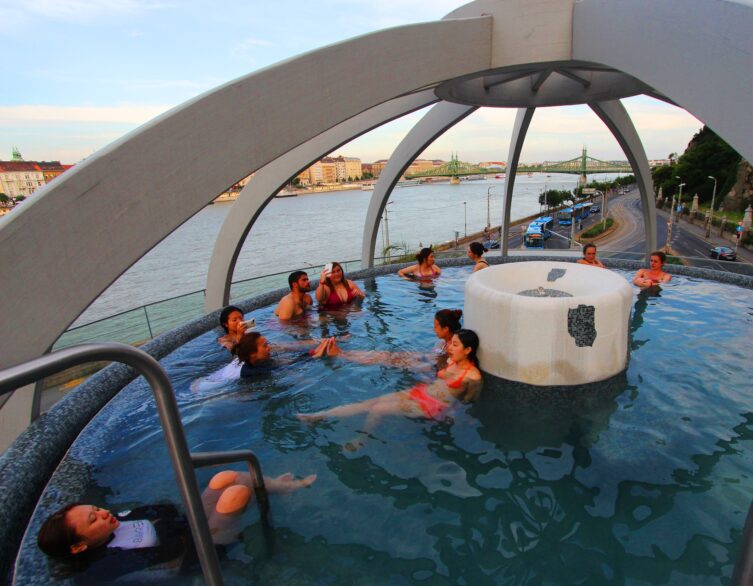
For visitors, the appeal of Rudas lies not only in its therapeutic reputation but also in its atmosphere: stone pillars, colored glass windows, and gently steaming pools create a distinctly old‑world mood that feels far removed from everyday life. At the same time, modern wellness areas, saunas, and a panoramic rooftop pool facing the river make it easy to blend traditional cures with contemporary spa culture in a single visit.
Planning a Radon Spa Visit in Budapest Today
If you are considering incorporating radon thermal bathing into your Budapest itinerary, it helps to plan ahead, especially when it comes to budget. From early January 2026, the city’s main municipal baths have introduced a new round of ticket price adjustments, generally in the range of five to ten percent, with some of the most popular historic sites seeing higher changes for full‑price tickets. At Rudas, for example, all‑area weekday passes and special Turkish bath entries have increased, and similar rises can be seen at several other complexes.
Even with these changes, Budapest’s spa culture remains good value by Western European standards, particularly when you consider the uniqueness of bathing in mineral‑rich, sometimes radon‑bearing waters within monumental historic buildings. Booking online where possible, arriving earlier in the day, and visiting on weekdays can help secure a more relaxed experience and, depending on the bath and ticket type, more attractive prices.
Balancing Wellness, History and Safety
For many travelers, soaking in Budapest’s thermal baths is as essential as seeing the Parliament or crossing the bridges over the Danube, and radon thermal pools add an extra layer of curiosity for those interested in natural healing methods. At the same time, scientific debates continue about the long‑term health impact of radon therapies: some studies emphasize pain relief and improved quality of life, while public health research consistently reminds us that radon, at higher and prolonged exposures, is also a known risk factor for lung cancer.
Most experts therefore suggest a balanced approach for healthy visitors: occasional, time‑limited spa cures in regulated facilities are generally viewed as falling within normal ranges of background radiation exposure. For the average tourist, an afternoon or a short series of sessions in a Budapest radon bath is far more about pleasure, relaxation, and cultural immersion than measurable radiation dose. Those with existing health concerns, however, should always seek medical advice before embracing any intensive radon‑based therapy, ensuring that their Budapest spa experience remains both memorable and safe
Follow Budappest.com on Facebook
Related news

A Grand Reawakening: Budapest’s Historic Rác Bath on Its Way to Renewal
If there’s one thing that defines Budapest beyond the Danube and its bridges, it’s the city’s love affair with warm water. Beneath the streets...
Rising Bath Prices in Budapest: What Visitors Need to Know for 2026
Budapest’s world‑famous bath culture is entering a new chapter: from early January 2026, several of the city’s best-known thermal baths are...

Budapest’s Historic Rudas Baths Find Balance: Traditional Bathing Days Return with Modern Flexibility
Budapest’s thermal bath scene has been making headlines recently, and not just because of the stunning architecture or healing waters. The...
Related attractions