Tap and Go: Budapest Is Making Public Transport Easier Than Ever for Visitors
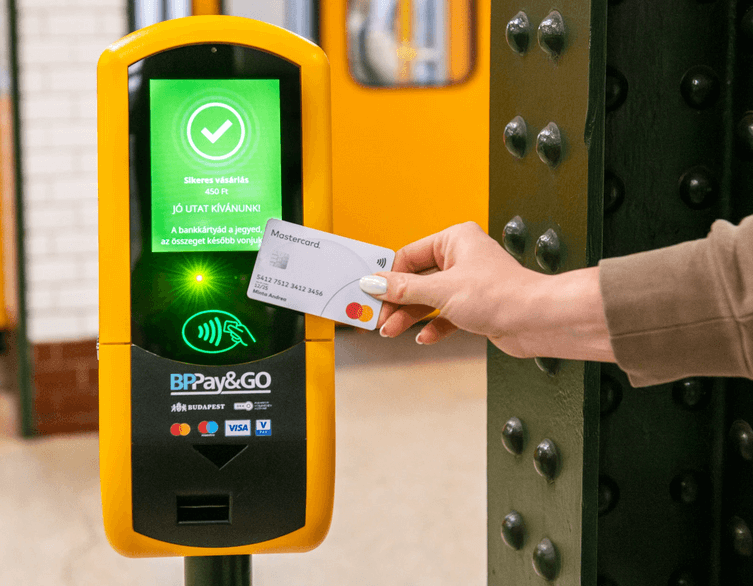
If you’ve ever arrived in Budapest, bleary-eyed after a long flight, and found yourself fumbling with unfamiliar coins at a metro ticket machine, your days of that particular travel headache are officially numbered. The Hungarian capital is rolling out a contactless payment system across its entire metro network — and it could not be simpler to use.
What Is Budapest Pay&GO?
Budapest Pay&GO is a contactless fare payment system that lets you board the metro with nothing more than a tap of your bank card or smart device. No app to download, no account to register, no paper ticket to buy or lose at the bottom of your bag. You simply touch your card to the validator at the metro entrance, and your journey begins. Your bank card doubles as your proof of travel — ticket inspectors carry devices that can verify your payment directly through the Pay&GO system, so there’s no need for a separate ticket or receipt.
The system has already been running as a pilot on the M1 metro line — the charming yellow line that runs beneath Andrássy Avenue and is a UNESCO World Heritage Site in its own right — as well as on the 100E airport express bus. That means travellers arriving at Budapest Ferenc Liszt International Airport have already been able to tap straight onto the bus and into the city without stopping at a ticket desk.
Best deals of Budapest










Big Expansion Coming in April 2026
Starting March 11, 2026, Budapest’s Centre for Transport (BKK) is rolling out installation of new Pay&GO validators across the rest of the metro network. The work is being carried out in phases: the M2 line gets its new devices first, followed by the M4, and then the M3. The installation process is expected to take around four weeks, meaning the full Pay&GO service will be live on all metro lines from mid-April 2026.
It’s worth knowing that during the installation period, the new validators will be physically present at stations but switched off — so don’t try tapping them before the go-live date. Between two and five new devices are being installed at each station, and the existing validators for paper tickets will remain in place alongside them, so nothing about your regular commute or sightseeing journey needs to change until the new system is fully activated.
One small but useful detail: between March 9 and April 1, the NFC readers previously used to validate tickets purchased through the BudapestGO app are being removed from metro stations as part of the transition. If you’ve been using that app to buy tickets, it’s worth checking the latest guidance from BKK before you travel.
Why This Is Great News for Tourists
For foreign visitors, this kind of system is a genuine game-changer. Budapest’s metro network covers four lines and connects the city’s most important neighbourhoods — from the historic Castle District and the ruin bar scene of the Jewish Quarter to the green hills of Buda and the lively market halls of Pest. Being able to hop on and off with just a contactless bank card makes spontaneous exploration far more accessible, especially if you’re only in the city for a few days and don’t want to spend time working out fare zones and ticket types.
Contactless transit payment is already standard in cities like London, New York, Singapore, and Sydney, so many international travellers will find Budapest’s new system immediately familiar. The city is simply catching up with a global standard that hundreds of major cities around the world have already adopted — and it’s doing so in a way that is clearly designed with casual and occasional travellers firmly in mind.
A Bigger Vision for Budapest’s Transport Future
The Pay&GO metro expansion is just one piece of a much larger puzzle. In February 2026, Budapest’s General Assembly approved the concept for a new city-wide electronic ticketing system, giving BKK the green light to begin the necessary procurement process. The full version of Pay&GO — when it arrives — will go well beyond single-journey tap-ins. It will also offer travel passes, discounted fare products, and spending caps such as daily or weekly limits, meaning that even regular commuters will be able to manage their transport costs automatically without buying a separate season ticket.
The long-term vision is ambitious: by 2028, the bank card-based payment system is planned to roll out progressively across the entire Budapest public transport network, including buses, trams, and suburban services, as well as the wider metropolitan area. For a city that welcomes millions of tourists every year, that kind of seamless, card-based travel experience will be a significant step forward.
Tips for Getting Around Budapest Right Now
Until Pay&GO goes live on all lines in mid-April, the easiest option for most visitors remains buying a single ticket or a travel pass at any metro station ticket office or automated machine. A 24-hour, 72-hour, or 7-day travelcard offers unlimited travel on all BKK services — metro, bus, tram, and trolleybus — and is excellent value if you plan to move around the city frequently. Budapest’s public transport network is extensive, reliable, and genuinely one of the best ways to see the city, so don’t be put off by the ticket system during the transition period.
Come mid-April, though, just tap your card and enjoy the ride. Budapest is making it easier than ever to explore.
Related news
Budapest’s Public Transport Revolution: Tap Your Card and Go – No More Ticket Hassles for Tourists
Picture this: you step off the plane at Budapest Airport, exhausted from your flight, and need to zip into the city center. Instead of fumbling for...
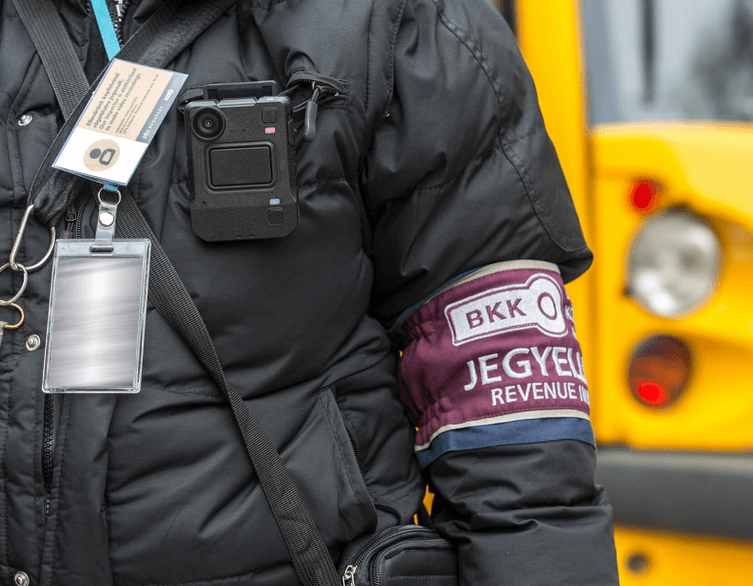
Budapest Public Transport Gets Tough on Fares – But Safer and Smarter for Tourists
Budapest’s trams and metros are your ticket to effortless sightseeing, but January brought a wave of joint ticket inspections by BKK controllers...