Rising Bath Prices in Budapest: What Visitors Need to Know for 2026
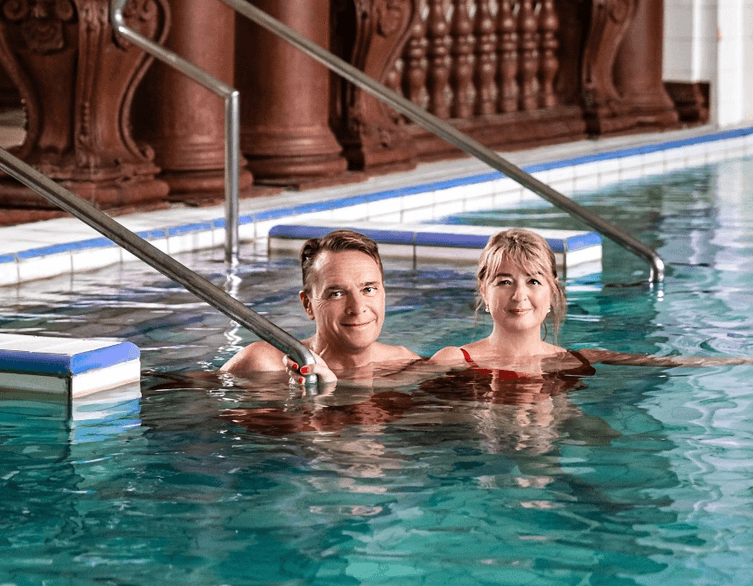
Budapest’s world‑famous bath culture is entering a new chapter: from early January 2026, several of the city’s best-known thermal baths are raising their entry prices, with increases that foreign visitors will definitely notice when planning a wellness-focused city break. The good news is that, even with these changes, a day in a historical spa in Budapest is still excellent value compared to many Western European capitals.
Why bath prices are going up in 2026
Every year, at the beginning of January, the company operating most of Budapest’s municipal baths updates its ticket prices, and 2026 is no exception. This time, the adjustments reflect rising operating costs, energy prices, and the continuous maintenance required by these often century‑old spa complexes. The operator has signaled that full‑price tickets in the most popular historical baths will see the steepest increases, while discounts for students and seniors climb more moderately.
Best deals of Budapest









For visitors, that means a slightly higher cost of entry but also the reassurance that the city is investing in preserving and upgrading these iconic facilities. Renovations, wellness expansions, and improved services all depend on steady funding, and ticket revenue remains a key part of that picture.
Which Budapest baths are affected the most
Among Budapest’s thermal baths, some see only modest price changes, while others experience surprisingly strong rises, especially on full‑price daily tickets. In the group of historical “must‑see” spas, the most expensive option continues to be the centrally located Rudas Bath, where an all‑zone ticket now costs more on both weekdays and weekends than it did in 2025. The increases range roughly from mid‑single‑digit percentages in peak periods to closer to ten percent on certain weekday tickets, and even more for specific Turkish bath entries.
At Széchenyi Bath, another flagship spa that many tourists consider unmissable, the changes are more restrained but still noticeable. Early‑morning “Good Morning” tickets and regular locker entries now cost a few percent more than before, with a similar pattern on weekdays, weekends, and designated high‑season dates. This keeps Széchenyi firmly in the upper price tier, but slightly below the very top segment represented by Rudas.
Mid-range baths: where the increases feel sharper
If you look beyond the most iconic thermal temples, the story becomes more varied. At Csillaghegy Bath and its wellness complex, percentage increases on full‑price tickets are often higher than in the big tourist magnets. Weekday and weekend complex tickets now cost noticeably more, with rises that can approach or exceed around eight to ten percent, while student, children’s, and pensioners’ tickets climb by a slightly smaller margin.
A similar pattern appears at Pesterzsébet Bath, where the complete adult ticket now carries a higher price tag than last year, especially on weekends. Here too, discounted entries grow at a gentler pace than standard adult passes, reflecting a conscious attempt to keep the baths accessible for local families and older regulars, while allowing full‑fare tickets to shoulder a larger share of the increase.
Where price hikes are surprisingly steep
Two of the city’s more locally oriented baths, Lukács and Dandár, stand out with surprisingly strong rises in the price of full‑fare tickets. At Lukács, the standard adult entry now costs significantly more on both weekdays and weekends, with increases that reach well into double‑digit percentages. Yet the same bath keeps student and pensioner tickets on a much more modest upward track, with only mid‑single‑digit percentage changes.
Dandár shows an even more dramatic contrast, especially on weekend tickets. Here, full‑price daily and complex passes have jumped sharply, in some cases by about a quarter compared to previous rates. In striking contrast, discounted tickets for students and seniors have gone up only slightly, reinforcing the bath’s role as a more budget‑friendly option for locals even as adult tourist pricing moves closer to the rest of the market.
The exception: where prices remain unchanged
Not every Budapest bath is becoming more expensive this January. One notable exception is Palatinus, where general entry prices are not rising at the start of 2026. This mirrors its pricing strategy from the previous year and reflects the fact that the facility is operating with somewhat reduced opening hours until March due to a seasonal attraction hosted on site. For price‑sensitive visitors looking for open‑air pools and a more relaxed, family‑friendly atmosphere, Palatinus remains a very attractive option.
In addition, certain club‑card based tickets linked to local loyalty schemes keep their prices unchanged, rewarding frequent bath‑goers who commit to regular visits. For tourists, this may not be directly relevant, but it indirectly helps stabilize visitor flows across different parts of the network.
What this means for foreign visitors in practice
For international travelers, the 2026 price rises mainly mean that a full spa day in Budapest’s historic baths will cost a bit more than last year, particularly in the most popular complexes. Still, even after these adjustments, the overall cost remains favourable when compared with famous spa destinations in Western Europe, especially considering the unique mix of architecture, atmosphere, and mineral‑rich waters that Budapest offers.
To make the most of your spa budget, it is worth planning your visits on weekdays where possible, arriving early to take advantage of any morning ticket types, and checking current prices directly on the official websites before you go. Choosing one premium historical bath, such as Széchenyi or Rudas, and pairing it with a slightly more affordable neighborhood spa like Paskál, Pesterzsébet, or Palatinus can create a well‑rounded wellness experience without overstretching your travel funds.
Even in a year of rising prices, Budapest’s baths remain at the heart of the city’s identity. For many visitors, paying a little more is still a worthwhile trade‑off for the chance to step into mineral‑rich water under vaulted ceilings and domes, and to feel, for a few hours at least, part of a living spa tradition that has been flowing through the city for centuries.
Follow Budappest.com on Facebook
Related news

A Grand Reawakening: Budapest’s Historic Rác Bath on Its Way to Renewal
If there’s one thing that defines Budapest beyond the Danube and its bridges, it’s the city’s love affair with warm water. Beneath the streets...
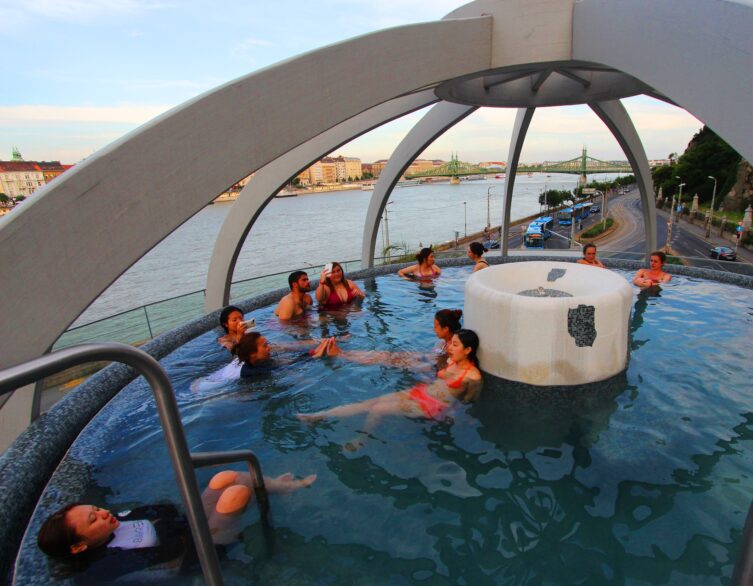
The Rise of Radon Thermal Baths in Budapest
Budapest has long been famous for its thermal baths, but in recent years a more specific trend has emerged: more and more visitors are seeking out...

Budapest’s Historic Rudas Baths Find Balance: Traditional Bathing Days Return with Modern Flexibility
Budapest’s thermal bath scene has been making headlines recently, and not just because of the stunning architecture or healing waters. The...
Budapest’s Healing Waters: Your Stress-Busting Guide to Hungary’s Thermal Treasures
So, you’ve made it to Budapest – congratulations! You’re about to discover one of the world’s best-kept secrets for melting away...
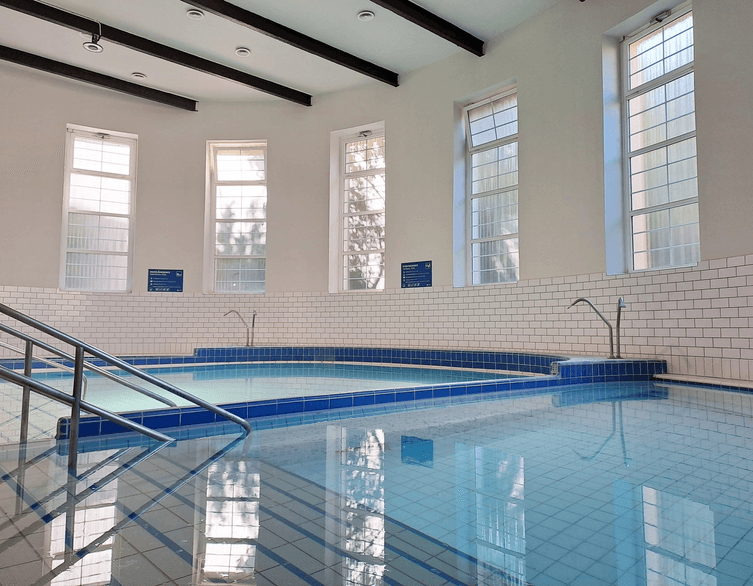
Budapest’s Hidden Thermal Gem The Dandár Thermal Bath Reopened
If you’re exploring Budapest and wondering where to combine history, local life, and true relaxation, the freshly reopened Dandár Thermal...
Related attractions
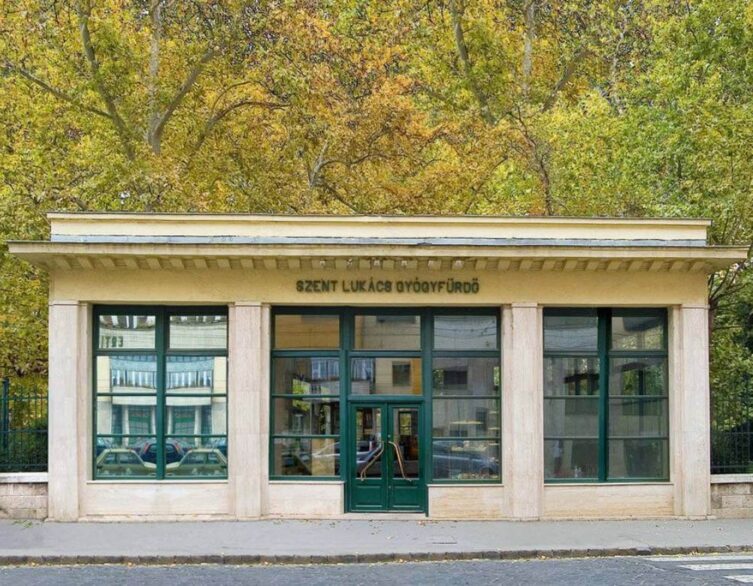
Lukács Bath: From The Ancient Romans To The Modern Day Thermal Bath Culture
The Lukács Bath is one of the oldest and most renowned thermal baths in Budapest, Hungary. Located in the Buda side of the city, near the Danube...
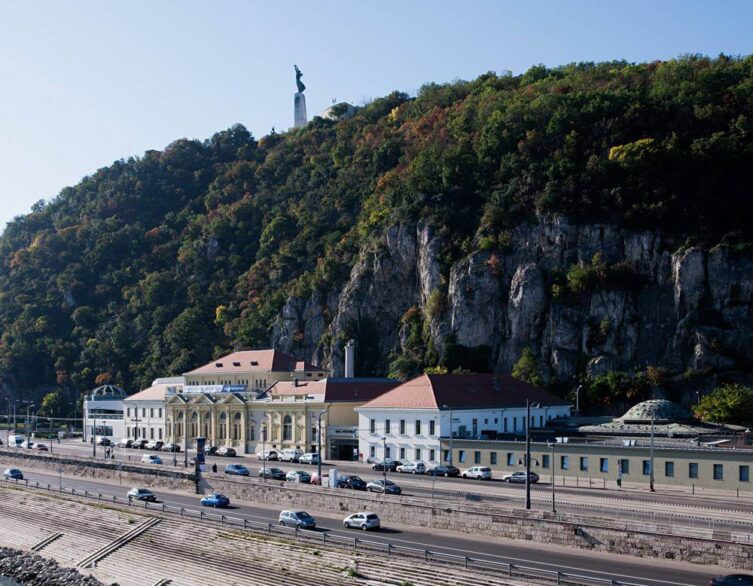
Rudas Bath: A Historic Thermal Oasis in the Heart of Budapest
The Rudas Bath, located at the foot of Gellért Hill in Budapest, is one of the city’s most iconic and historic thermal baths. With a history...
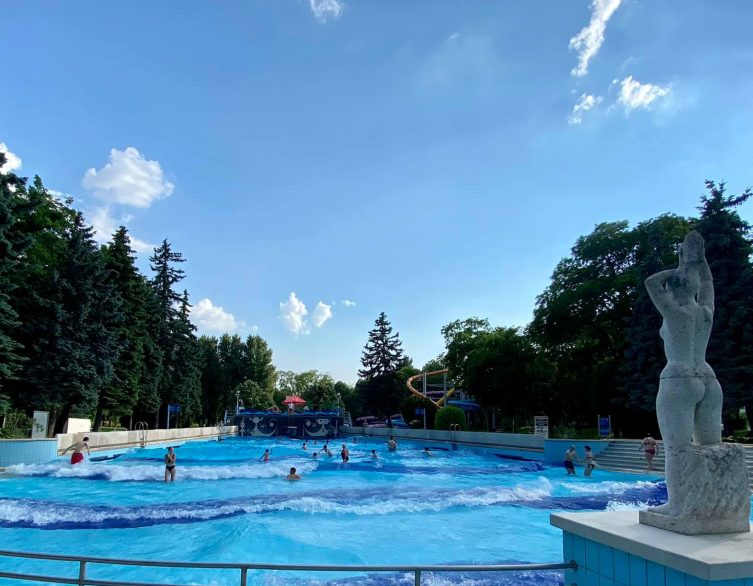
Palatinus Baths: An All Year Round Splash on Margaret Island
Budapest is renowned for its thermal baths, and the Palatinus Baths on Margaret Island is a prime example. This iconic attraction has been a favorite...
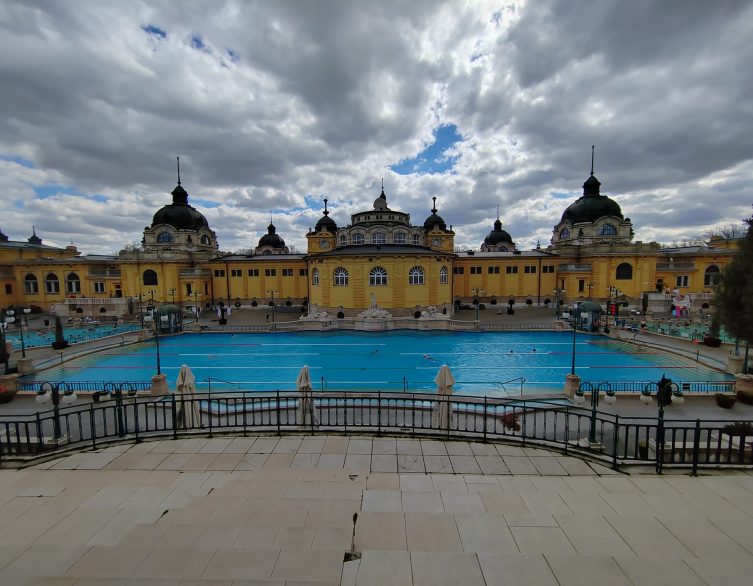
Széchenyi Thermal Bath: Budapest’s aquatic gem
The Széchenyi Thermal Bath, located in the heart of Budapest city, is one of the largest and most iconic thermal baths in Europe. Boasting an impressive...