Riding Through Time: Budapest’s Heritage Trams and Retro Buses Are Back This Spring
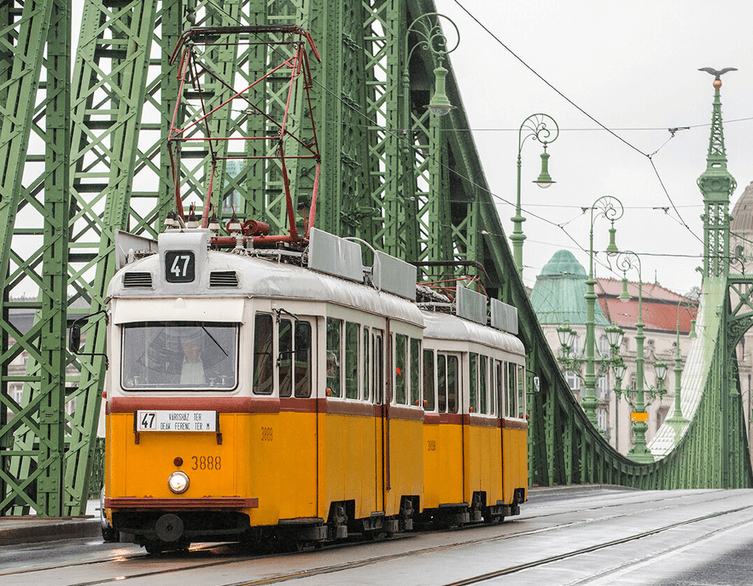
There are few cities in the world where getting from A to B can feel like stepping into a history book. Budapest is one of them. Thanks to a long-running initiative by BKK (Budapest Transport Centre) and BKV (Budapest Transport Company), some of the most charming and historically significant vehicles ever to roll through the Hungarian capital are back on the streets — and this spring, they’re bringing the past very much back to life.
A Century of Wheels and Rails
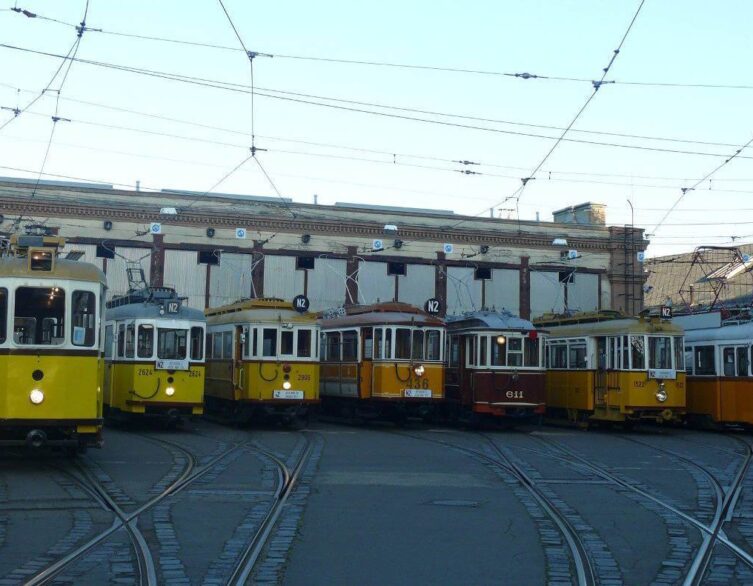
Budapest’s modern transport history stretches back well over a hundred years, and it shows in the remarkable range of vehicles that have been preserved, restored, and returned to service. Almost every iconic example of Hungarian vehicle manufacturing has, at some point, been part of the city’s everyday transport network. Many of these vehicles were rescued from decommissioning and carefully restored to their original appearance, becoming rolling museums that offer a ride unlike anything you’ll find on a modern city bus or metro. Since 2010, BKK and BKV have run these vehicles as part of an officially organized heritage transport season, and the program has since grown into one of Budapest’s most distinctive and internationally recognized leisure experiences.
Best deals of Budapest








When Does the Heritage Season Run?
The regular heritage transport season runs every weekend from late April through to the end of October, giving visitors plenty of opportunity to catch a ride throughout spring, summer, and early autumn. But even before the full season kicks off, there are special early-season departures scheduled for April — so if you’re visiting Budapest right now, you’re already in luck. It’s worth checking the current timetable on the BKK website or the BudapestGO app before heading out, as schedules can shift and routes are occasionally modified due to track work.
What’s Running This April
The April timetable is already packed with interesting options for transport enthusiasts and curious tourists alike. On Saturday, April 11, lines R80 and R36 will be operated by the iconic coupled Tatra tram, a vehicle type that was once a staple of Budapest’s everyday tram network and is now a beloved relic of the socialist era. The following day, Sunday, April 12, line R59 also runs with a coupled Tatra tram. On Saturday, April 18, the variety widens further: lines R118 and R59 again feature the Tatra trams, line N58A brings out a different vehicle entirely, and — in a particularly special appearance — the 2624 vintage tram makes a return to the rails.
It’s also worth noting that April 11 is Hungarian Poetry Day, when the 611 nostalgia tram will be stationed at Deák Ferenc Square for a special literary event organized with the Federation of Young Writers. That’s two excellent reasons to be near the city center on the same Saturday.
The Regular Heritage Lines: A Route for Every Taste
When the full season is in swing, four regular heritage lines cover some of the most scenic and historically significant routes in the city, and each one is worth riding for different reasons.
The N2 tram runs along the Pest Danube embankment, following what is widely regarded as one of the ten most beautiful tram routes in the world. The route takes you past the Hungarian Parliament Building, across views of Buda Castle and Gellért Hill, and alongside the sweeping bridges that tie the two halves of the city together. It runs between Közvágóhíd and Jászai Mari Square, and if you only have time for one heritage ride, this is the one to choose.
The N18 tram offers a more Buda-focused experience, winding from St. John’s Hospital through Széll Kálmán Square, along Krisztina Boulevard, down to Gellért Square and then out along Bartók Béla Road all the way to Csóka Street in the Kelenföld district. The route passes through Városmajor park, a leafy urban green space that feels a world away from the tourist bustle, before descending toward the Danube and its magnificent panorama.
The N19 tram covers the Buda side of the Danube riverbank, gliding past grand buildings, famous thermal bath houses, market halls, parks, and bridges. Starting from Deák Ferenc Square on the Pest side, it crosses over and follows the Buda embankment all the way to Katyń Martyrs’ Park. At Deák Ferenc Square, it’s easy to combine your tram ride with a visit to the Underground Museum, which tells the story of the first underground railway on the European continent — a line that opened in Budapest back in 1896. Just across the river, Clark Ádám Square gives you direct access to the Buda Castle Funicular, making it effortless to string together a half-day of sightseeing.
For those who prefer four wheels to rails, the N109 heritage bus covers some equally impressive ground. The route loops between Batthyány Square, Margaret Bridge, Deák Ferenc Square, and Elizabeth Bridge, taking in Bem Quay along the way with its sweeping views of the Parliament across the water. On fine days, the route is served by an open-top convertible bus — which, on a warm spring afternoon, is as close to a Budapest highlight reel as you can get.
Retro Vehicles: The 1980s Are Still Rolling
Alongside the full heritage vehicles, Budapest also operates a fleet of retro vehicles — trams and buses that, while not quite as old as the heritage stock, were once everyday fixtures of the city’s transport network and have since been retired from regular service. These vehicles don’t require a special heritage ticket; your normal fare covers a ride, making them an easy, budget-friendly way to add a little extra nostalgia to any journey through the city.
Tickets and How to Buy Them
Special fares apply to the designated heritage lines. A heritage single ticket costs 600 forints and is valid for one journey, while a heritage day travelcard — at 2,400 forints — lets you hop on and off all heritage services running that day, which makes it excellent value if you plan to ride more than one line. Children up to 14 years old travel free on heritage vehicles, though staff will ask for proof of school enrollment from students.
Tickets can be bought through the BudapestGO app, at any BKK customer service point or ticket office, or directly from the on-board crew — who also accept card payments. Retro vehicles, as mentioned, operate on normal fares and don’t require a separate heritage ticket.
More Than Just Transport
What makes Budapest’s heritage transport program genuinely special is the thought that has gone into it. These aren’t just old vehicles trundling around for show — each one has been restored with care, each route has been chosen to pass through the most scenically and historically rewarding parts of the city, and the whole program is underpinned by a real civic pride in Budapest’s transport heritage. For a visitor, it means that a tram ride can be as memorable as a museum visit, and the ticket costs considerably less.
Whether you catch the Tatra tram this weekend, plan your itinerary around the N2 embankment route in summer, or simply find yourself boarding a retro bus and wondering why it looks slightly different from the others — Budapest’s heritage transport season is one of those rare city experiences that manages to be historical, scenic, and genuinely fun all at once.
Follow Budappest.com on Facebook
Related news
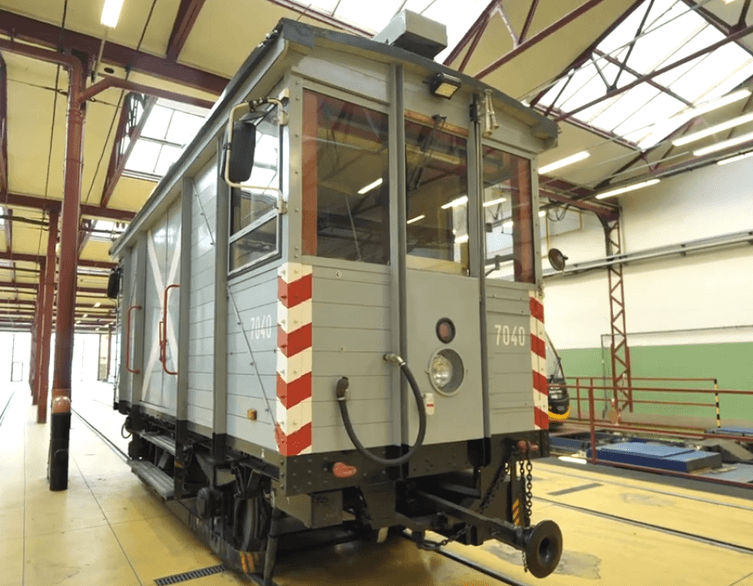
Meet the Muki: Budapest’s 100-Year-Old Freight Trams That Just Went Viral
Budapest is famous for many things — its thermal baths, grand architecture, ruin bars, and the Danube views that stop you in your tracks. But tucked...
Nostalgia on Wheels: A Joyride Through Budapest’s Historic Vehicles
Imagine stepping back in time, surrounded by the charm and elegance of a bygone era. In Budapest, this dream becomes a reality as beautifully restored...
Related events