Budapest Goes Green: Sustainable Tourism Takes Center Stage in 2026
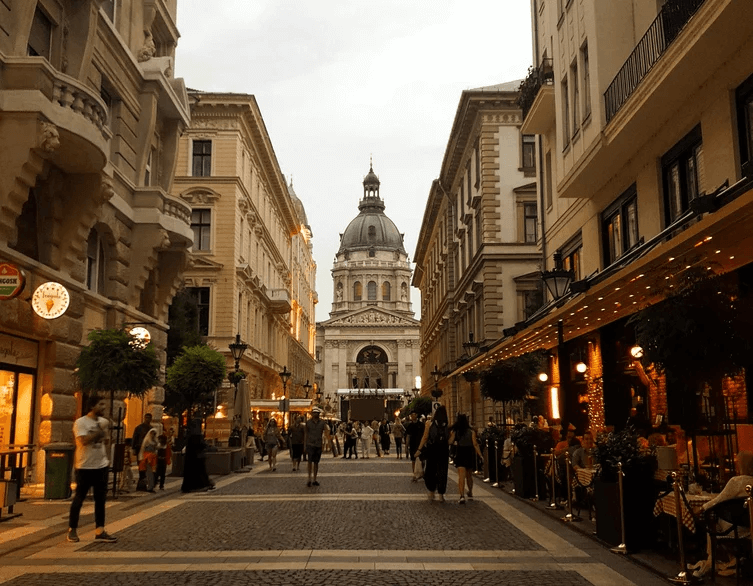
Budapest has become a magnet for international travelers, with its stunning architecture, thermal baths, and vibrant ruin bar scene drawing millions each year. That popularity comes at a cost though—tourism accounts for about 9% of global greenhouse gas emissions, and even here in Hungary’s capital, the effects of overtourism are starting to show through crowded streets and strained resources. The good news is that 2026 marks a real shift, led by Visit Hungary and partners like Danish sustainability experts Sustainia, who are rolling out practical steps to make tourism here more responsible. As Visit Hungary’s Zsuzsanna Váradi puts it, sustainability isn’t just buzzword bingo—it’s the key to preserving Budapest’s magic for future visitors while benefiting locals today.
Sustainability’s Three Pillars: Beyond Recycling Bins
People often think sustainability means skipping plastic straws or sorting trash, but it’s a bigger picture with social, economic, and environmental layers working together. In Budapest, this means traveling in ways that don’t harm the planet, support the community, and ensure the city stays enjoyable for everyone long-term. The recent Sustainia Roadshow kicked things off by showing how the capital is ready for this change, moving away from mass tourism’s downsides toward something more balanced.
One standout example is how tourism businesses are weaving in local communities. Some restaurants and hotels hire neighborhood residents, like elderly women passing down traditional skills while earning a steady income. Tourinform offices don’t just guide foreigners—they encourage Budapest locals to rediscover their own city, turning tourism into a shared resource rather than an outsider’s intrusion. This approach keeps money circulating locally and builds goodwill, so visitors feel welcome instead of overwhelming the neighborhoods.
From Farm to Fork: Everyday Sustainable Choices
Budapest’s food scene leads the charge on practical sustainability. More restaurants and hotels now source directly from nearby farmers, cutting transport emissions while delivering fresher ingredients—think farm-to-table meals featuring Hungarian produce on Pest plates. This boosts local economies too, as profits stay in the region rather than shipping halfway across Europe.
Best deals of Budapest












Excursions are evolving just as thoughtfully. Alongside classic hop-on-hop-off buses, you’ll find intimate options like fermentation workshops in city studios, where you learn age-old preservation techniques using local ingredients. Urban herb foraging tours reveal the capital’s hidden green pockets, from Danube-side plants to courtyard edibles. Craft workshop visits let you buy handmade, durable goods from artisans, swapping fast fashion for timeless pieces. These aren’t gimmicks—they immerse you in Budapest’s culture with a light environmental footprint, turning passive sightseeing into meaningful participation.
How You Can Travel Budapest Smarter
Being a conscious visitor starts small but adds up. Opt for trams and buses over taxis to ease traffic and emissions—Budapest’s efficient network makes it easy, especially with the new low-emission fleet rolling out this year. Visit in shoulder seasons like early spring or late fall to avoid peak crowds at spots like Fisherman’s Bastion. Visit Hungary’s latest guide highlights green-certified businesses, from eco-hotels in Buda to zero-waste cafés in the Jewish Quarter.
Supporting these efforts means choosing places that prioritize fair wages, local sourcing, and community ties. Skip overtouristed chains for family-run spots, and respect quiet hours in residential areas. The payoff is a richer experience: fewer lines, deeper connections, and the satisfaction of contributing to a city that thrives.
A Greener Future for Budapest’s Charm
This sustainability push positions Budapest not as a victim of its own success, but as a model for thoughtful travel. By blending environmental care with social and economic benefits, the city ensures its thermal springs, grand boulevards, and hidden courtyards remain vibrant for generations. Whether you’re soaking in Széchenyi Baths or wandering the Great Market Hall, your choices help shape a tourism scene that’s rewarding for everyone—visitors, locals, and the planet alike. Next time you’re here, look for those green initiatives; they’re the quiet revolution keeping Budapest extraordinary.
Related news
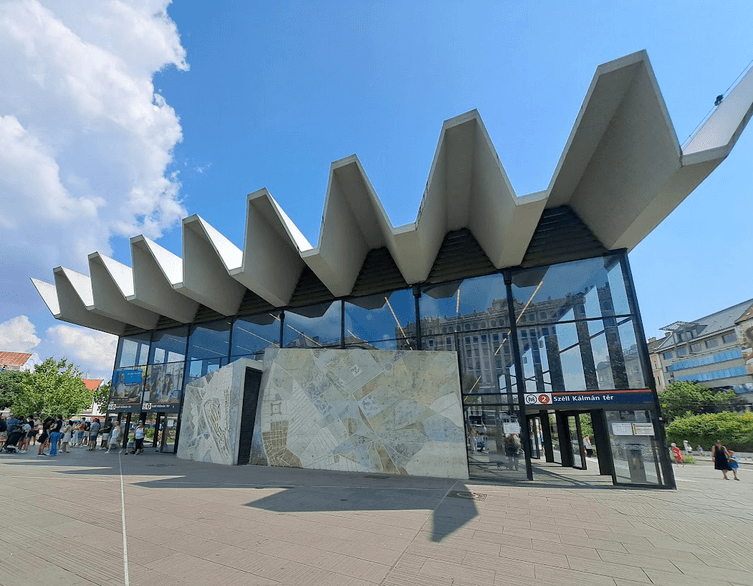
Shady Széll Kálmán Square? Budapest’s Big Plan to Chill Out Your Favorite Square
Hey, Budapest newbie, picture this: you’re schlepping across Széll Kálmán Square in scorching summer heat, dodging trams and tourists while...
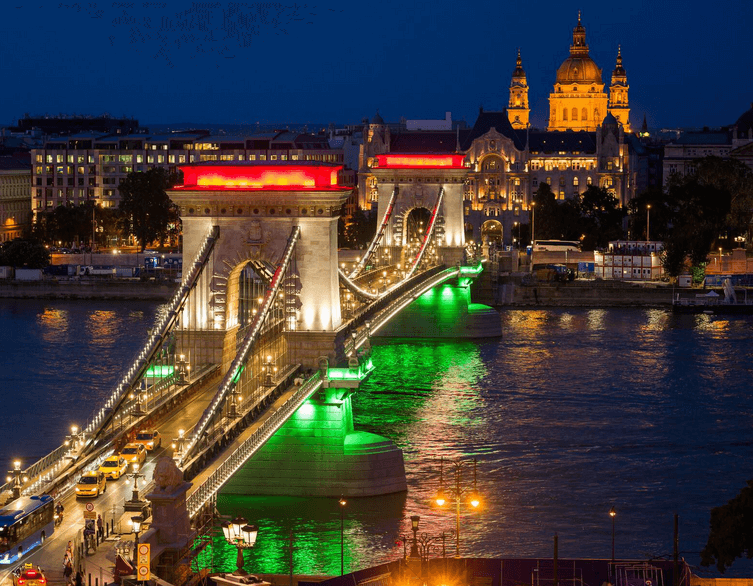
Hungary’s Tourism Boom: Why Foreign Visitors Can’t Get Enough of Budapest
It might have started as a post-pandemic rebound, but Hungary’s tourism boom has grown into something much bigger. The numbers from 2025 show a...
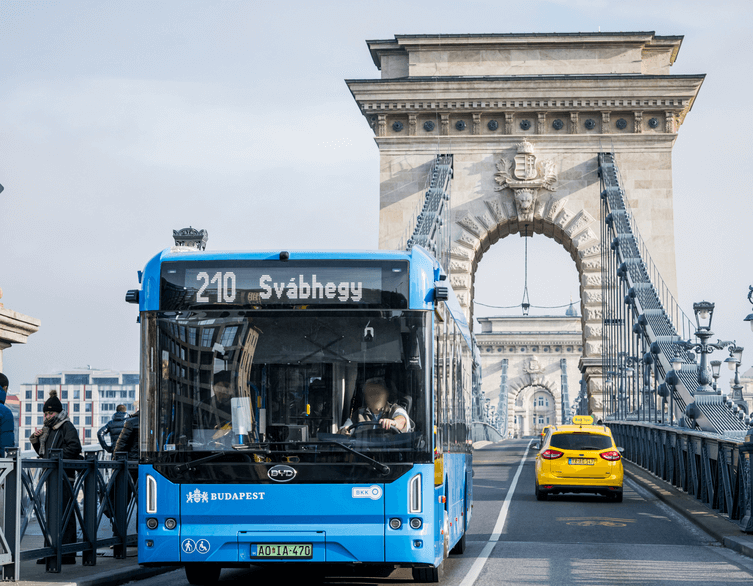
Budapest’s New Electric Buses: A Greener Ride for Tourists
Budapest is rolling out its first fleet of modern electric buses ahead of schedule, making public transport smoother, quieter, and more eco-friendly...

Budapest Wins Global Recognition for Its Green Future
When you explore Budapest’s thermal baths, historic neighborhoods, and vibrant cultural scene, you’re experiencing a city that’s...
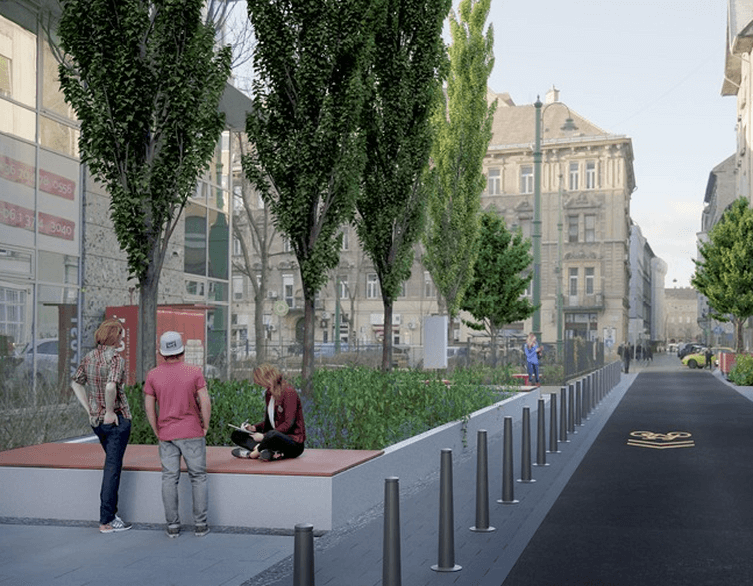
Budapest’s District VII Gets Greener: New Pedestrian Zones Transform Inner-Erzsébetváros
Budapest’s vibrant District VII, known locally as Erzsébetváros, is undergoing a significant transformation that’s making the neighborhood...
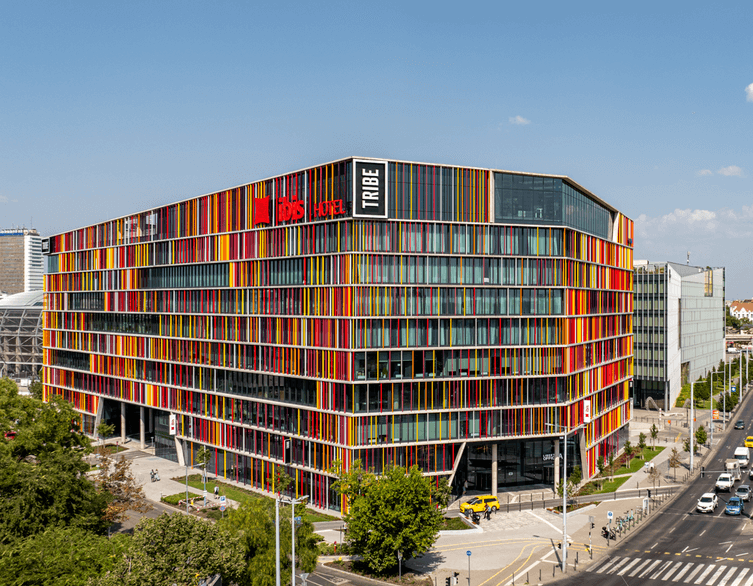
Sustainable Luxury in Budapest: Discover the ibis & TRIBE Hotels’ Global Green Achievement
Budapest is carving out a leading role in sustainable tourism, thanks to the groundbreaking environmental standards achieved by two remarkable hotels...
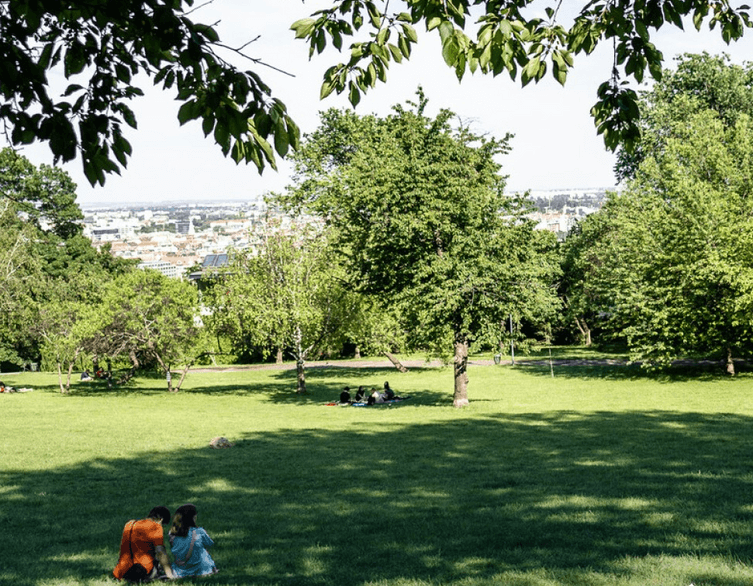
Budapest’s Green Revolution: A Path to Climate Neutrality
In the heart of Hungary, Budapest is embarking on an ambitious journey towards a greener, more sustainable future. As part of the European Union’s...