The 4/6 Tram: Budapest’s Yellow Heartbeat on Rails
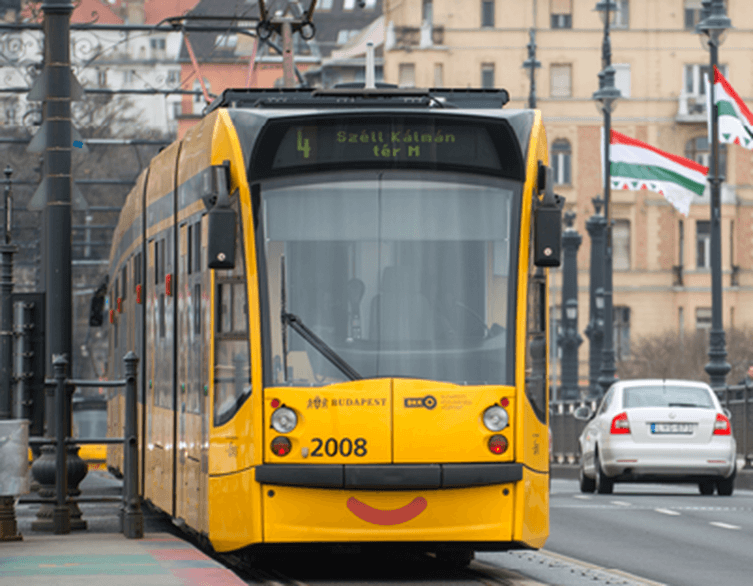
If you’ve spent more than a day in Budapest, you’ve already seen it — the bright yellow trams gliding down the Grand Boulevard, filled with locals, students, and wide‑eyed tourists clutching cameras. That’s the 4/6 tram — or as locals simply say, “the négyeshatos” — the city’s most iconic, most traveled, and perhaps most beloved ride. It’s not just a means of getting from one bar to another. The 4/6 is a moving slice of Budapest life — a place where the city quite literally hums on steel tracks.
This tram line is a record-setter: it’s one of the busiest tram routes in the world, carrying nearly 300,000 passengers a day, and it’s also one of Europe’s oldest continuously running lines, tracing its origins back to 1887. Back then, three narrow‑gauge Siemens & Halske cars rattled along a much shorter track. Today, it’s a 13‑kilometer electric artery connecting Újbuda Center all the way to Széll Kálmán Square, embracing six districts and, symbolically, the entire city.
From green pioneers to yellow icons
The very first trams were charming green machines — small, noisy, and, by modern standards, impossibly slow. They had no numbers at first (Budapest’s early public transport used colors and shapes instead), and it wasn’t until 1910 that the 4 and 6 designations appeared. The paint turned to the now‑classic sunny yellow in the 1920s, when the city decided to unify all public transport. Since then, Budapest and the color yellow have been inseparable — so much so that when locals were later asked whether the new trams should remain yellow, the answer was a resounding “of course.”
Over the decades, the line saw everything from horse trams and Ganz UVs to Siemens Combinos, which now glide almost silently along the boulevard. Each new generation of tram has carried Budapest’s history in motion — from the bustle of the 1920s cafés to the quiet glow of late‑night journeys across Margaret Bridge.
Myths, memes, and midnight legends
The 4/6 has earned a special place in the hearts of Budapesters — and in their humor. It has been immortalized in poems, songs, university folklore, and countless memes. A cultural anthropologist once introduced Native American guests to the tram, and they supposedly saw in it the Feathered Serpent, Quetzalcoatl himself, gliding through the city in yellow armor. True or not, it tells you everything you need to know about how much personality these trams have: they’re part public transport, part urban legend.
Best deals of Budapest









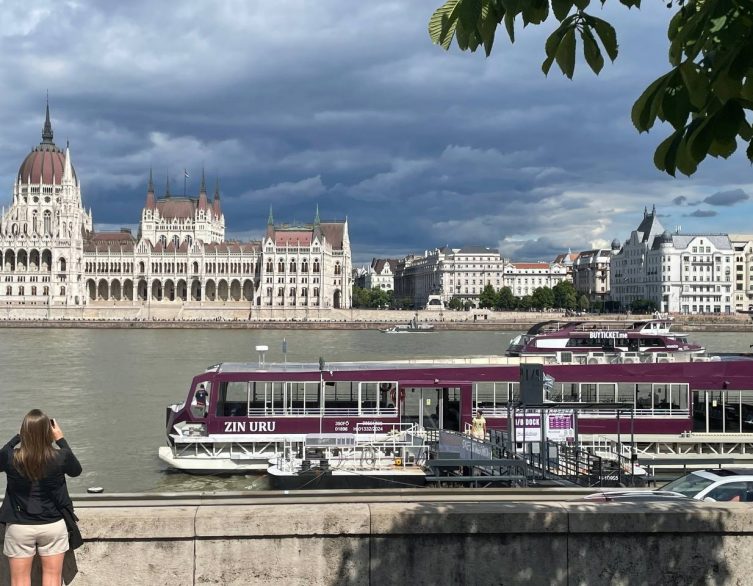
Ride on a Friday night and you’ll see how the line comes alive — students heading out, musicians busking under neon lights, and tourists filming from open windows as the tram rolls past New York Café, the Parliament, or the bridges glowing gold over the Danube. It’s both commute and performance, mundane and magical all at once.
Riding like a local
For visitors, hopping on the 4/6 tram is one of the easiest ways to experience the soul of Budapest — no ticket office adventures required. You can use the BudapestGO app, where you can buy your ticket and even chat directly with BKK staff if you have questions about timetables, transfers, or fares. The chat is available in English and Hungarian, offering quick help if you’re unsure about routes or ticket validity.
In case of emergencies or safety concerns during your trip, Budapest’s transport services have a 24/7 dispatch and emergency phone system. If you ever spot someone in distress or an unusual situation onboard, notify staff or use the contact feature in the app to get instant support. Most trams also have visible emergency call buttons and surveillance for added peace of mind.
A city within the city
The 4/6 is a living microcosm of Budapest — as unique as its ruin pubs, as busy as its markets, and as colorful as its nightlife. It runs 24 hours a day, circling through Budapest’s most vibrant areas, where art nouveau buildings meet designer shops, and where coffee drinkers, partygoers, and dreamers share the same ride for a few stops.
Take the tram from Margaret Bridge to Blaha Lujza Square, and you’ll pass a century of history in fifteen minutes. It’s cheap, efficient, and packed with character. You can read about the city in guidebooks — or you can simply hop on the 4/6 and feel it move beneath your feet.
Related news
Happy Transit Worker Appreciation Day, Budapest! Here’s Why You Should Say “Köszönöm” to Your Driver Today
Today, March 18, is World Transit Operator and Worker Appreciation Day — and if you happen to be exploring Budapest right now, you are literally...
Budapest’s Giant Caterpillar Turns 20: The Remarkable Story of the Combino Tram
If you’ve ever ridden the iconic tram lines 4 or 6 along Budapest’s Grand Boulevard, you’ve almost certainly found yourself inside...
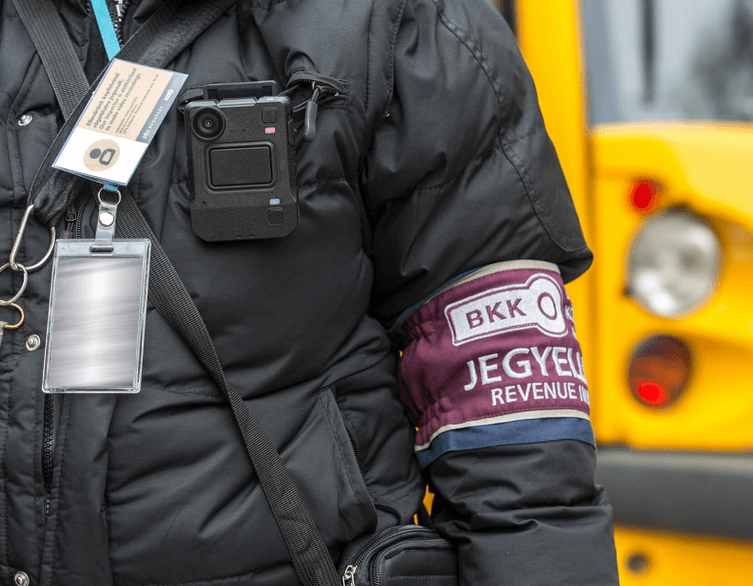
Budapest Public Transport Gets Tough on Fares – But Safer and Smarter for Tourists
Budapest’s trams and metros are your ticket to effortless sightseeing, but January brought a wave of joint ticket inspections by BKK controllers...
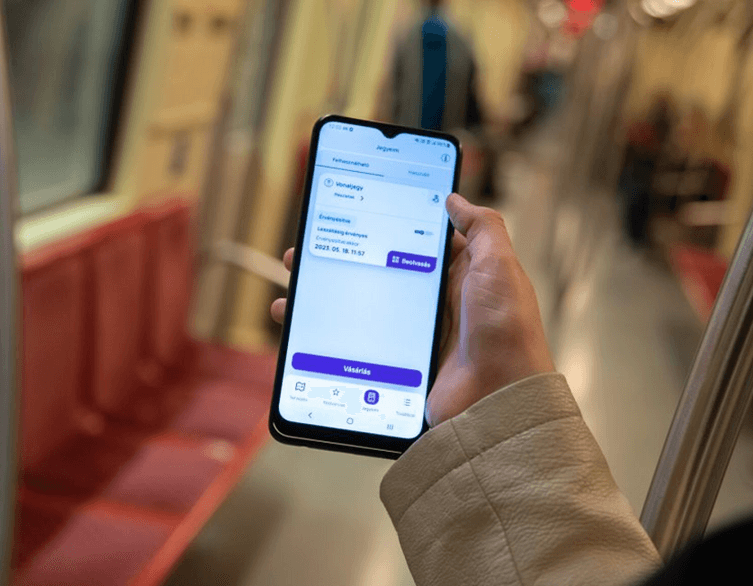
Easier, Smarter Travel in Budapest: BKK Makes Pass Purchases Simpler from January 30
If you’re planning to move around Budapest this winter or simply want to make the most of your stay, you’ll soon find it even easier to travel...
Safe Travels in Budapest: New BudapestGO Feature Lets You Chat Directly with Passenger Safety Agents
Getting around Budapest has never been easier — or safer. The city’s sleek and efficient public transport system (BKK), already connects nearly...