Shaping Budapest: Vote For What Changed the City the Most
If you’ve been following Budapest this year, you’ve probably noticed that the city’s been in motion – literally and politically. From new trams gliding along the Danube to one of the most talked-about Pride marches in recent memory, 2025 has been a year of bold moves, fresh vehicles, and a few heated debates about what kind of city Budapest wants to be. Budapest’s mayor, Gergely Karácsony, recently kicked off a little online poll on his Facebook page asking locals (and, by extension, anyone paying attention) to vote for the event that shaped the city the most in 2025. It’s a fun way to look back at what actually moved the needle – and for visitors, it’s a great chance to understand what’s really on the city’s mind right now.
Budapest Pride: A March That Said “We’re Staying”
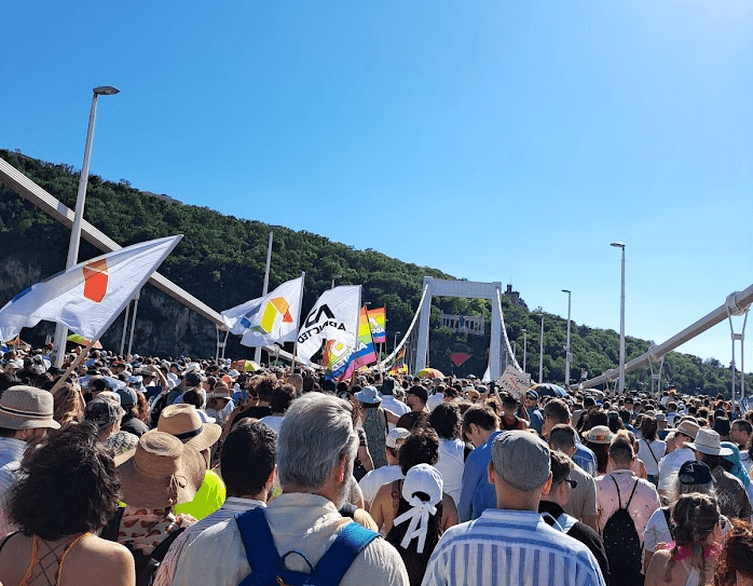
One of the first two events the mayor highlighted is the Budapest Pride march. This year’s parade wasn’t just another colorful procession through the city center – it carried extra weight. After the national government effectively banned the official Pride event, the city stepped in and made sure it still happened. The message was clear: Budapest stands with its LGBTQ+ community, and the city won’t back down when it comes to basic freedoms and the right to exist openly in public space.
For tourists, this might not seem like a big deal – after all, Budapest has long been one of Central Europe’s more open and welcoming capitals. But the fact that the city had to fight to keep Pride alive says a lot about the political climate and the kind of values Budapest’s local leadership wants to protect. The march itself was a vibrant, emotional, and very visible statement: rainbow flags, music, dancing, and thousands of people filling the streets near the Danube, turning a political conflict into a celebration of diversity and resilience.
If you’re in Budapest during Pride season (usually late June or early July), it’s worth experiencing at least a bit of the atmosphere – whether that’s the main parade, the parties, or the smaller cultural events around town. It’s not just a party; it’s a reminder that this city, for all its history and tradition, is also a place where people keep pushing for more openness and inclusion.
New Trams and Buses: The Quiet Revolution on Wheels
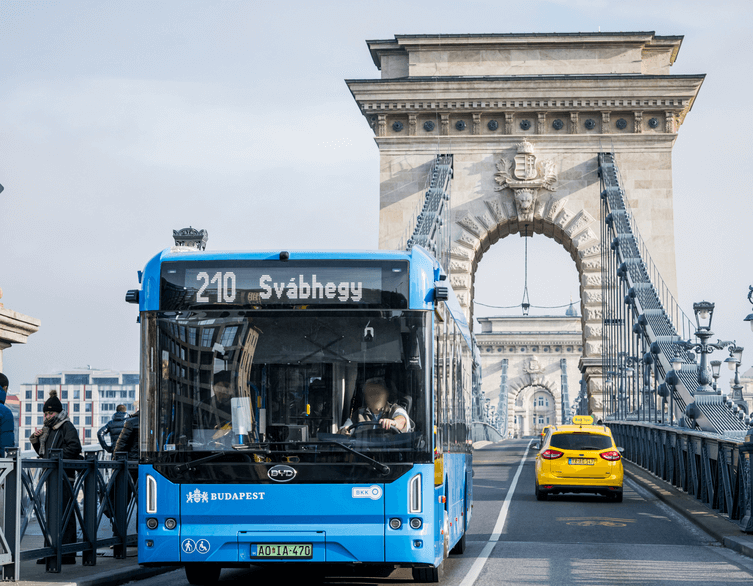
The second big item on the mayor’s list is something far less flashy but just as important: the arrival of new trams and buses. If you’ve been riding Budapest’s public transport this year, you’ve probably noticed the difference. The old, rattling trams are slowly being replaced by sleek, low-floor CAF trams that glide smoothly along the tracks, with better accessibility, modern interiors, and a much more comfortable ride. On the roads, hundreds of brand-new low-floor buses – from Mercedes, MAN, and electric BYD models – have been rolling out, many of them with air conditioning and better accessibility for wheelchairs and strollers.
This isn’t just about comfort; it’s about a long-term bet on public transport. The city has been pushing hard to modernize the network despite tight national budgets and political friction with the central government. The idea is simple: if public transport is reliable, clean, and easy to use, more people will choose it over cars, which means less traffic, less pollution, and a more livable city.
For visitors, this means a more pleasant experience getting around. The new trams and buses are easier to board, easier to navigate, and generally more pleasant than the older models. If you’re planning to explore beyond the main tourist spots, this upgrade makes a real difference – whether you’re heading out to City Park, the outskirts of Buda, or just hopping between neighborhoods in Pest.
Best deals of Budapest









Why These Events Matter for Tourists
At first glance, a Pride march and a fleet of new trams might seem like very different things. But together, they tell a story about what kind of city Budapest is trying to be in 2025: a place that values both its people and its infrastructure, that wants to be open and inclusive while also being practical and modern.
For tourists, this matters more than it might seem. A city that invests in public transport is easier and cheaper to explore. A city that stands behind events like Pride tends to be more welcoming to all kinds of travelers, not just the “typical” tourist. And a city that’s visibly debating its own identity – through politics, culture, and urban development – is usually a more interesting, dynamic place to visit.
What Else Might Have Shaped Budapest This Year?
The mayor’s poll only showed the first two of six events, promising to reveal the next two the following day. Based on what’s been happening in the city, a few other strong candidates come to mind: major renovations of public spaces (like squares, parks, or riverbank promenades), new cultural festivals or events that drew big crowds, or even changes in how the city handles tourism, sustainability, or housing.
Whatever makes the final list, the point is that Budapest isn’t standing still. It’s a city that’s constantly reshaping itself – sometimes through big political gestures, sometimes through quiet, practical improvements that only become obvious when you’re actually using the tram or walking through a newly renovated square.
How to Experience the “Real” Budapest in 2025
If you’re visiting now or planning a trip soon, the best way to get a feel for how the city is changing is to mix the obvious sights with a bit of local life. Take a ride on one of the new trams, especially along the Danube or through the city center, and notice how much smoother and more modern the experience is. If you’re in town during a major event like Pride, even just walking through the area or checking out a related exhibition or party can give you a sense of the city’s pulse.
And don’t forget to step off the main tourist routes. Visit a neighborhood market, grab a coffee in a local café, or take a walk along a quieter stretch of the river. That’s where you’ll really feel the changes – in the cleaner streets, the better signage, the more accessible transport, and the general sense that Budapest is trying to be a more comfortable, more inclusive place for everyone who lives here or passes through.
The Bigger Picture: A City in Motion
Budapest in 2025 is a city that’s arguing with itself, improving itself, and trying to figure out its role in a changing Europe. The Pride march and the new trams and buses are just two pieces of that story, but they’re telling ones. One is about values and visibility; the other is about practical, everyday quality of life. Together, they show a city that’s not just surviving, but actively shaping its future – and that’s exactly the kind of place that’s interesting to visit, live in, and keep coming back to.
Related news